



## Navigating the New Market Landscape: Embracing Risk in Uncharted Waters
The financial world is currently experiencing a significant shift, driven by coordinated actions from major governmental bodies. A recent analysis of the current climate suggests that traditional models of market intervention are being rewritten, leading to a notable change in how investors perceive risk. The prevailing sentiment indicates that holding cash may no longer be the safest strategy, as the dynamics between central banks and global asset classes evolve rapidly. Investors are being prompted to reconsider their portfolios in light of these unprecedented moves.
The latest market signals point toward a decisive move away from passive safety. Governments are actively reshaping the yield landscape, pushing capital away from traditional safe-haven bonds and into more dynamic sectors. This intervention is creating an environment where standard investment wisdom is being challenged. The focus has shifted toward securing positions in assets that can outpace the new wave of monetary policy.
### What’s Driving the Current Market Shift?
At the heart of this transformation is a change in how governments manage debt and influence interest rates. We are witnessing a move toward “soft yield curve control,” a strategy that involves indirect market manipulation to keep borrowing costs low. This approach is not merely a temporary fix; it represents a fundamental shift in the relationship between a nation’s treasury and the financial markets. The goal is to prevent yields from rising to levels that could cripple the national budget.
This policy has profound implications for investors. When a government caps its own debt yields, it effectively forces capital to seek returns elsewhere. The money has to go somewhere, and historically, that somewhere has been equities, precious metals, and alternative assets like digital currencies. The current environment is designed to encourage risk-taking and liquidity injection into these very sectors.
### The Strategic Case for Risk-On Assets
Financial strategist Arthur Hayes recently provided a clear roadmap for investors navigating these choppy waters. He argues that the current Treasury actions are a direct signal to embrace risk. According to this analysis, the era of fighting against government intervention is over. The most profitable path forward is to align with the new policy framework, which appears committed to supporting risky assets to manage sovereign debt.
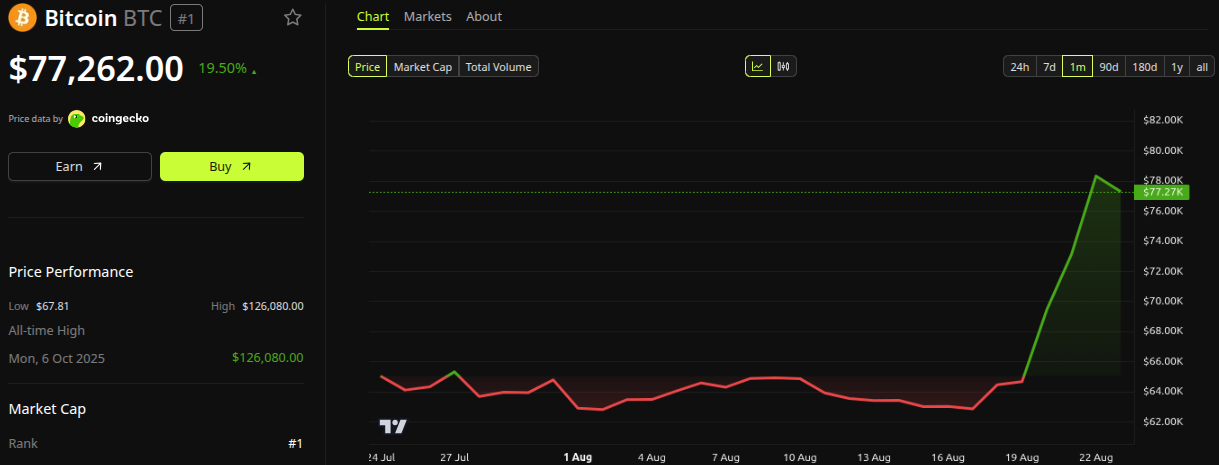
Hayes points to recent market movements as validation. When the government announced an expansion of its debt-buyback programs, the reaction was swift. Yields on long-term bonds fell, major stock indices climbed, and leading cryptocurrencies surged. This coordinated reaction across different asset classes suggests a unified response to a singular policy goal: keeping capital flowing and valuations elevated.
Furthermore, the analysis suggests this is not a one-off event but the beginning of a sustained policy pattern. With central banks acting as a backstop for government debt, the financial system is effectively insulated from the consequences of high leverage. This “Fed put” dynamic means that market downturns are likely to be met with further stimulus, reinforcing the upward momentum in stocks and digital assets.
### Why Scarcity Trumps Cash in Today’s Economy
In a world where governments are actively managing the supply of goods and capital, the concept of scarcity has taken on new importance. Hayes highlights that when authorities flood the system with liquidity to control yields, they are essentially devaluing cash. Holding large amounts of cash becomes a losing proposition when inflation is a concurrent concern and interest on reserves is minimal.
The modern investor must therefore think differently about asset allocation. The traditional safety of cash is eroded by the very policies meant to stabilize the economy. Instead, the focus shifts to assets with finite supplies—such as gold and Bitcoin—which historically perform well during periods of monetary expansion. The argument is that these assets serve as a hedge against the potential long-term devaluation of fiat currency.
### Frequently Asked Questions
**Q: What is “soft yield curve control,” and how does it affect investors?**
Soft yield curve control refers to indirect government actions aimed at capping long-term interest rates without officially pegging them. This is typically done through large-scale debt purchases. For investors, this means that traditional bonds become less attractive, pushing them toward riskier assets like stocks, gold, and cryptocurrencies in search of better returns.
**Q: Should I sell my cash holdings immediately?**
While the analysis suggests that cash is under pressure, drastic moves are not always necessary. The advice is to reassess your allocation. Ensure your portfolio is not overweight in cash and that you have exposure to assets that can potentially outpace inflation, such as equities or alternative investments.
**Q: Is this strategy applicable to Bitcoin and other cryptocurrencies?**
Yes. The analysis specifically links propping up government debt with capital flowing into cryptocurrencies. Because digital assets are often seen as a new frontier with limited supply, they are viewed as a beneficiary of the same liquidity that flows out of low-yielding cash and bonds.
**Q: What role does the US Treasury play in this scenario?**
By increasing the size of its debt buybacks, the Treasury is effectively setting a price ceiling on its own borrowing costs. This action signals to the market that the state will do whatever it takes to ensure the government can borrow money cheaply, which in turn boosts investor confidence in riskier assets.
### Conclusion
The current market environment demands a new way of thinking about risk. Rather than avoiding volatile assets, the data suggests that the greatest risk may lie in sitting on the sidelines. Government intervention is creating a landscape where liquidity is abundant and growth is concentrated in specific sectors. For those willing to adapt, the opportunity lies in embracing this shift and positioning for a future where policy, not just fundamentals, drives value.
Thank you for reading
