



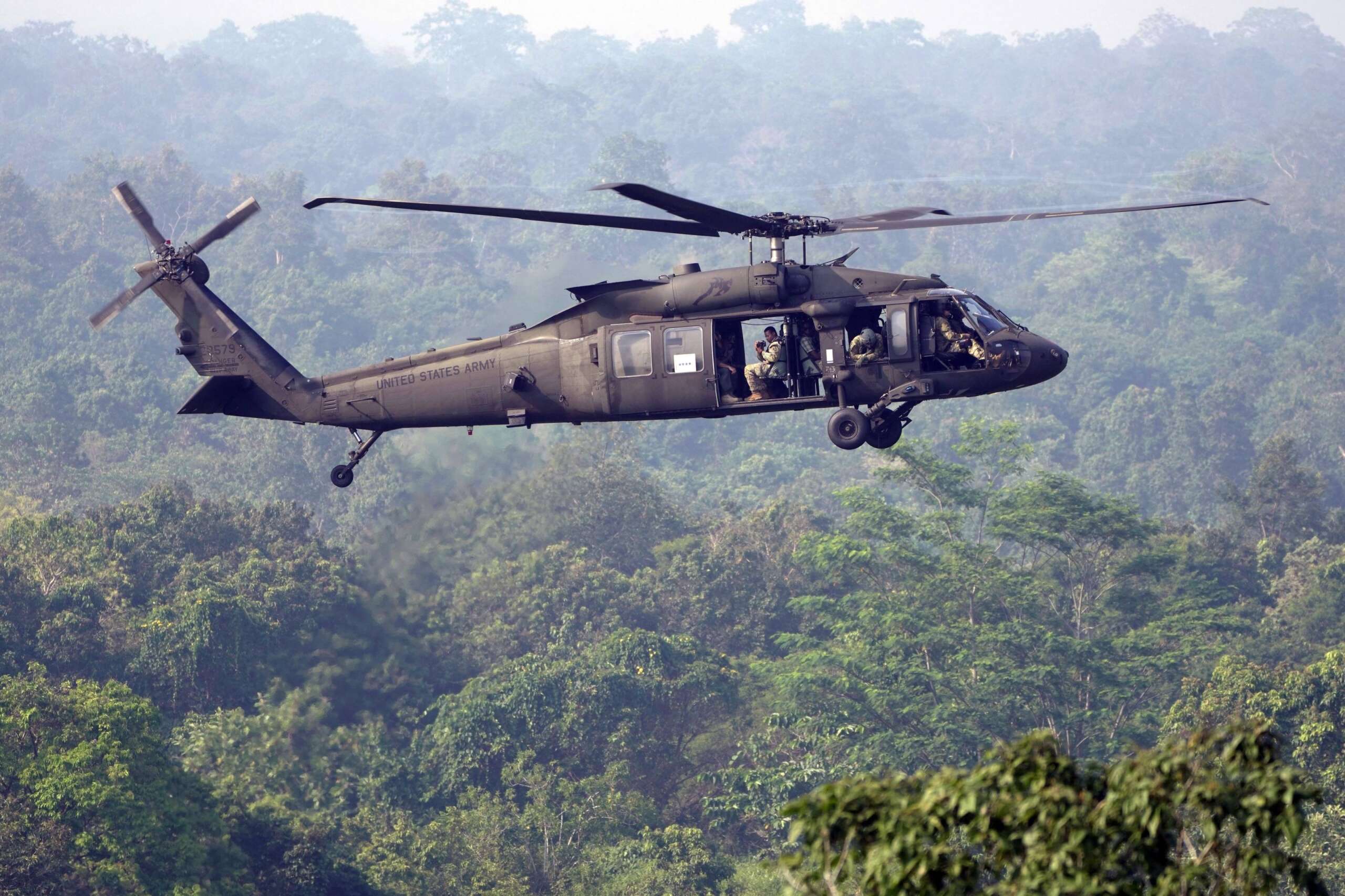
**Army Targets Retention with Six-Figure Bonuses for Helicopter Pilots**
The U.S. Army has launched a new initiative aimed at retaining experienced helicopter pilots, offering substantial financial incentives to keep mid-career and near-retirement aviators in uniform. The program, set for 2026, targets a specific goal: convincing at least one in four eligible soldiers to extend their service. Special emphasis is placed on two critical roles—**instructor pilots** and **maintenance test pilots**—whose expertise is vital to ongoing operations and training.
The financial package is designed to be competitive and rewarding. Aviators with 12 to 14 years of service can expect bonuses of approximately **$75,000 over three years**, while those with **18 or more years** could receive nearly **$210,000 over six years**. These figures reflect the Army’s urgent need to stabilize its pilot workforce and prevent a potential shortage as seasoned professionals approach retirement age.
—
### **FAQ Section**
**Q: Who is eligible for the Army’s bonus program?**
A: The program is aimed at **helicopter pilots** who are **mid-career or approaching retirement eligibility**, particularly **instructor pilots and maintenance test pilots**.
**Q: How much can a pilot expect to receive?**
A: Bonuses range from **$75,000 over three years** for those with 12–14 years of service to **$210,000 over six years** for those with at least 18 years of service.
**Q: What is the goal of the 2026 program?**
A: The Army aims to **retain at least 25% of eligible soldiers**, with a special focus on maintaining a skilled cadre of instructor and test pilots.
**Q: Why are instructor and maintenance test pilots a priority?**
A: These roles are essential for **training new pilots** and **ensuring the safety and reliability of military aircraft**, making their retention a top operational priority.
—
### **Conclusion**
As the Army faces ongoing challenges in personnel retention, this new bonus program represents a strategic investment in its most valuable aviation assets. By offering meaningful financial incentives to experienced pilots, the service hopes not only to prevent a wave of early departures but also to uphold the highest standards of flight training and maintenance. The success of this initiative will be closely watched as a barometer of military readiness in the years ahead.
