



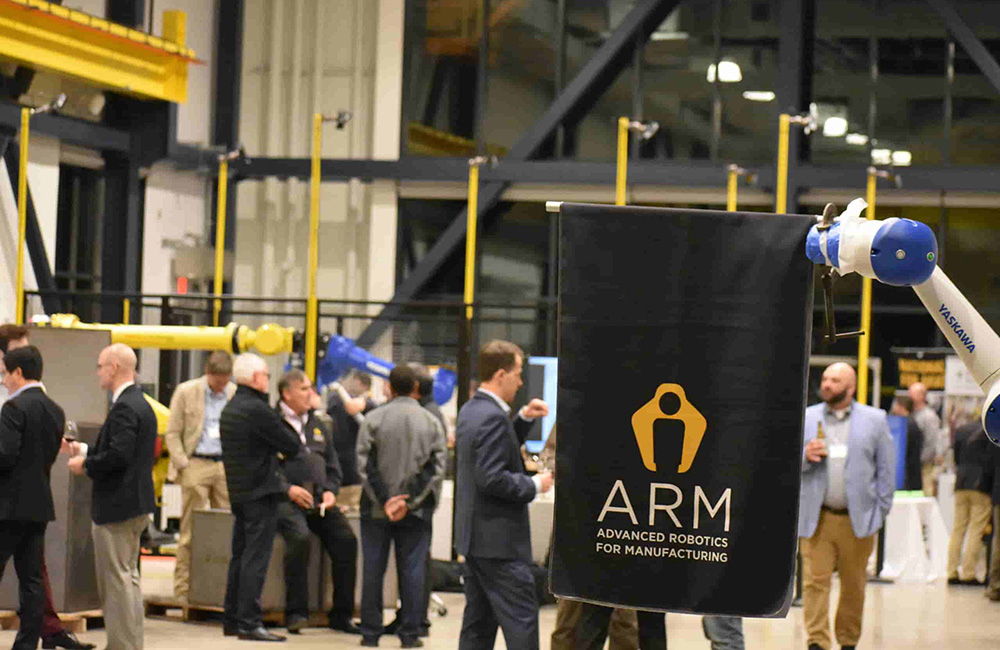
The ARM Institute serves as a nonprofit group, working to be a trusted intermediary among robotics and manufacturing partners. | Credit: ARM Institute
The Advanced Robotics for Manufacturing (ARM) Institute has rolled out an upgraded version of its RoboticsCareer.org platform, placing a stronger focus on physical AI. With this update, the organization stated its goal is to clarify the skills and training required to collaborate with physical AI systems.
RoboticsCareer.org now features a broader range of job openings in this field and helps employers tap into a pool of qualified candidates. These updated features are live now.
“Physical AI represents the next wave of manufacturing jobs,” explained Lisa Masciantonio, chief workforce officer at the ARM Institute. “We are excited about the pivotal role RoboticsCareer.org will play in driving wider use of robotics in manufacturing by offering access to a prepared workforce. The site serves as a direct link from exploring careers to landing a job in manufacturing, filling a vital need in closing the workforce gap.”
RoboticsCareer.org is a platform focused on robotics career paths within manufacturing. In 2025, over 100,000 individuals have used the site to find jobs and training. It links seekers to tailored job postings, guides students and career-changers toward approved training programs, matches employers with skilled candidates, and helps training providers attract new enrollments.
RoboticsCareer.org is designed to support the broader ecosystem needed to strengthen U.S. manufacturing leadership and boost the use of robotics and physical AI.
RoboticsCareer.org highlights new AI-driven roles
According to the ARM Institute, more manufacturers are adopting AI-powered robots to address labor shortages and rising demand. The nature of work is evolving quickly alongside this shift. There is a rising focus on managing data, integrating AI systems, and applying machine learning to automate processes more effectively. While some attention-grabbing headlines have warned about job losses from robotics and AI, the World Economic Forum indicates that manufacturers are experiencing more role evolution than elimination.
However, the U.S. can only unlock the full potential of AI-enabled robots if it supports the entire manufacturing ecosystem through this period of disruption. Without backing for workers, these advanced technologies risk sitting idle, pointed out the Pittsburgh-based ARM Institute.
The organization stressed that manufacturers, students, training providers, and job seekers all need guidance during this shift. Students need clear paths to discover these opportunities. Employers need a reliable source to find skilled talent and motivated applicants. Career-changers need accessible information about the competencies required to work with physical AI.
ARM Institute builds around four key pillars
The physical AI upgrade of RoboticsCareer.org is built on four main pillars. The first is a competency framework and career pathways, which the ARM Institute described as essential foundations.
The organization worked with its member consortium—spanning industry, government, and academia—to define and standardize the skills and competencies needed to work with physical AI in manufacturing settings.
“The ARM Institute’s AI Competency Framework outlines the skills behind emerging fields like physical AI, while RoboticsCareer.org connects those skills to actual education and job openings,” said Clint Chapman, senior manager for strategic partner relations, education, and workforce development at Yaskawa America Inc. “Together, they create a clear roadmap that helps learners grasp not only what these technologies involve, but where they can fit in.”
These frameworks have also been turned into job previews. These outline typical duties, required skills, salary ranges, and other details to raise awareness of these career paths. Every training program and job posting on the site is mapped to these defined pathways.
The second pillar is training program listings. RoboticsCareer.org now features programs that teach skills for working with AI-powered robots, making opportunities clearer for students, career-changers, job seekers, and educators.
This directory includes more than 1,300 programs covering physical AI skills and over 16,700 programs covering robotics skills. It places extra emphasis on offerings that build skills in preparing and maintaining data, integrating and deploying AI systems, and developing software and machine learning for automation.
ARM Institute streamlines listings and provides a national talent pool
The ARM Institute’s third pillar involves job listings. It posts daily and automatically refreshes more than 18,000 robotics jobs in manufacturing. New positions centered on roles involving and supporting AI-enabled robots have been added.
While job postings on the site update automatically, employers can also list openings directly or search the ARM Institute’s national talent database.
The fourth pillar is its national talent database. RoboticsCareer.org stated it is the country’s only database dedicated to robotics careers in manufacturing, with a 66% year-over-year growth rate. Thousands of people are signing up on the platform to link up with jobs and training.
The ARM Institute noted that this talent database will expand to include qualified candidates seeking roles involving physical AI. The curated resource will help manufacturers reduce hiring time, connect with candidates who have practical experience, and identify graduates from ARM Institute-endorsed training programs. Employers can download resumes and reach out to candidates at no charge.
 Submit your session idea for the 2026 RoboBusiness