



**Malware Targeting Car Infotainment Systems: A New Automotive Security Threat**
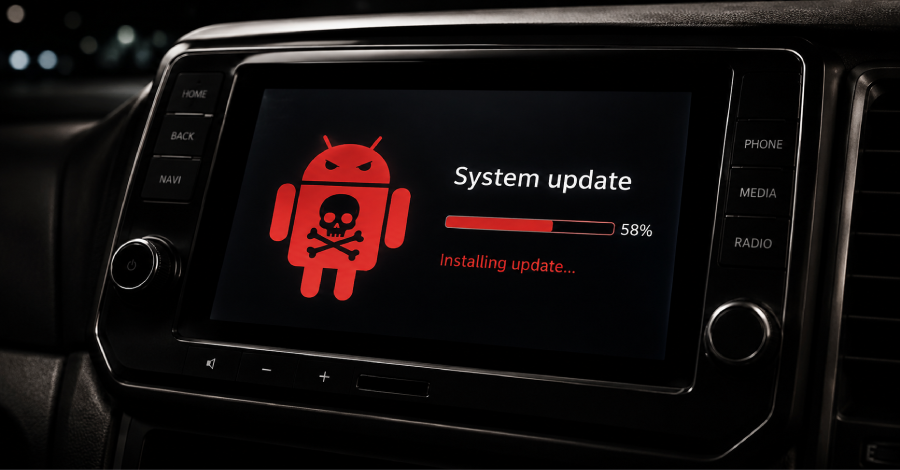
Cybersecurity experts have uncovered a novel malware strain designed to infiltrate Android-powered vehicle infotainment systems. This discovery marks a significant evolution in automotive cyber threats, as the malicious software specifically targets the firmware of in-car multimedia units. The attack represents a clear indication that automotive systems are increasingly becoming viable targets for sophisticated cybercriminal operations.
The investigation reveals that the malware infiltrates devices through the very mechanisms intended to keep them secure. Threat actors have exploited the legitimate software update functionality built into certain Android head units to deliver their malicious payload. This method leverages the device’s normal operational processes, making the attack particularly difficult to detect and defend against. The compromised update channels subvert the trust users place in official system maintenance tools.
The campaign is attributed to a known threat actor group previously implicated in large-scale ad fraud and proxy network operations. This group utilizes a multi-stage infection process, dropping a secondary payload that enables malicious activities such as displaying unauthorized advertisements and routing internet traffic. These actions not only generate illicit revenue for the attackers but also expose vehicle users to further security risks, including potential data interception and privacy breaches.
The emergence of this malware highlights a critical gap in the security of connected vehicles. As cars become more like smartphones on wheels, the attack surface expands significantly. This incident serves as a wake-up call for manufacturers and consumers alike, emphasizing the urgent need for robust security protocols, encrypted update channels, and comprehensive defensive strategies specifically tailored for the automotive ecosystem. Protecting these internet-connected devices is no longer a matter of convenience but a necessity for safety and privacy.
### Frequently Asked Questions
**What exactly does this malware do?**
This malware is designed to secretly take control of the Android head unit. Its primary functions include displaying unwanted advertisements, conducting ad fraud to generate revenue for the attackers, and downloading additional malicious modules. It can also gather detailed information about the vehicle’s system, such as screen resolution, model, and network identifiers, which is then sent back to the command center.
**How can I protect my vehicle from this threat?**
The most effective defense is to ensure your vehicle’s software is always updated through official, manufacturer-approved channels. Be cautious about installing third-party apps or unofficial software on your infotainment system. If your system allows for manual update settings, it is best to keep the automatic update feature enabled to ensure you receive the latest security patches promptly.
**Is my physical safety at risk from this malware?**
While this specific malware focuses on fraud and creating a botnet, it highlights a broader vulnerability in vehicle systems. In the future, malware that targets safety-critical systems could pose a direct physical risk. This discovery underscores the importance of manufacturers prioritizing security for all connected components, not just the engine or braking systems, to ensure the integrity and safety of the vehicle’s operational technology.
### Conclusion
The discovery of malware specifically engineered for car infotainment systems is a stark reminder that the cybersecurity perimeter now extends far beyond our computers and smartphones. As vehicles become more connected and intelligent, they inherit the same vulnerabilities that plague other internet-of-things devices. This threat necessitates a collaborative effort between automotive manufacturers, cybersecurity firms, and consumers to build a more secure foundation for our increasingly digital transportation infrastructure. The goal of securing our vehicles against such malicious intrusions has never been more critical.
Thank you for reading
