



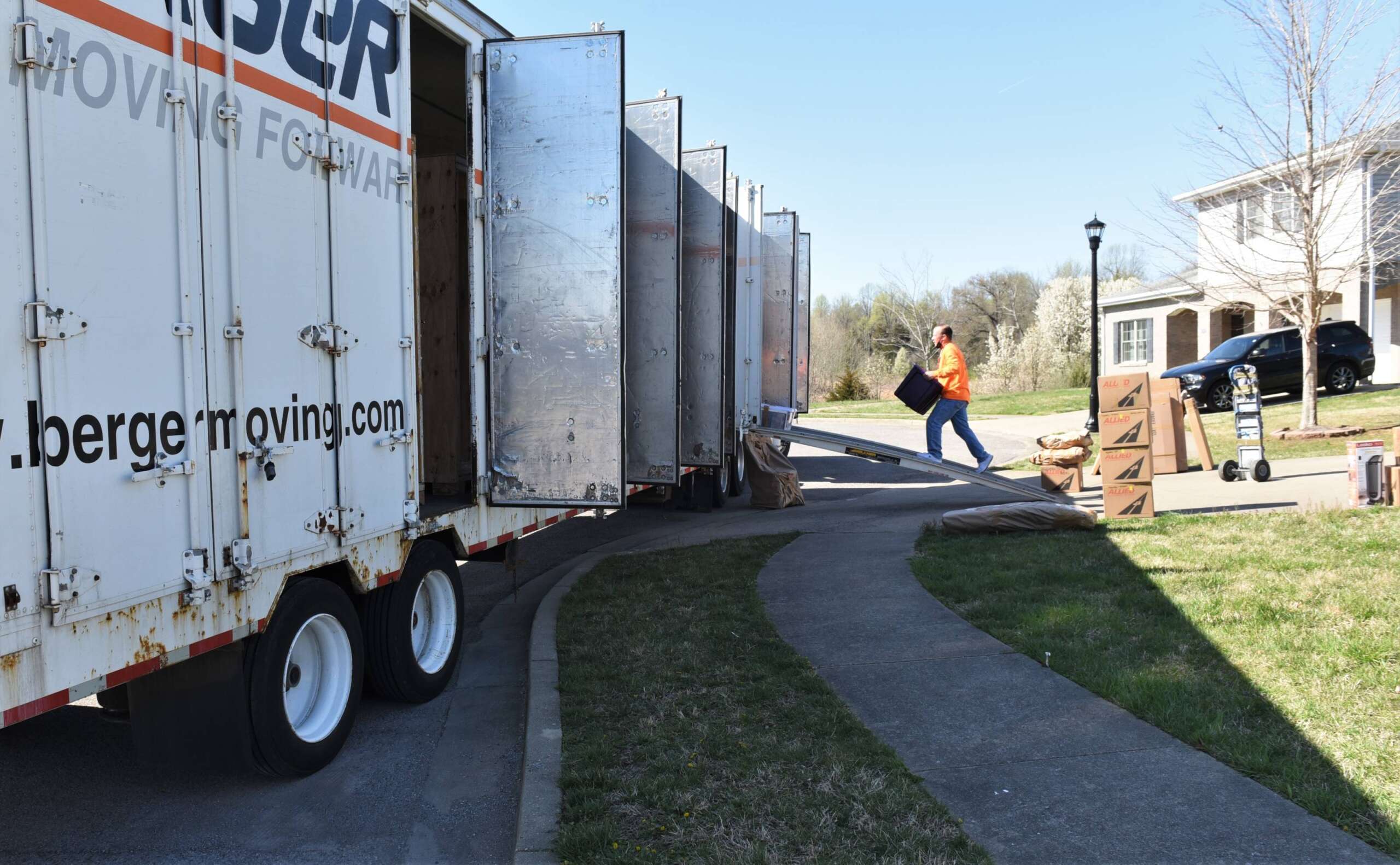
According to a recent RAND study, the Air Force could save hundreds of millions of dollars annually by reducing the frequency of service member relocations and lengthening assignment durations. However, the report cautions that such reforms would demand a significant cultural transformation throughout the organization.
Commissioned by the Air Force Personnel Center, the research assessed how longer tours and fewer Permanent Change of Station (PCS) transfers would impact budgets, operational readiness, and personnel retention. The findings indicate that the service stands to gain considerable financial benefits by extending overseas deployments and increasing the length of many domestic assignments.
RAND’s analysis revealed that lengthening specific overseas tours could yield approximately $186 million in yearly savings, while mandating five-year assignments within the continental United States could save an additional $240 million per year. These reductions would mainly stem from cutting operational and rotational PCS expenses, which represent the biggest portion of the Air Force’s relocation budget.
However, attitudes toward relocation differ widely across the force, which will make it difficult to overhaul the current assignment system.
“We reviewed exit survey data and discovered that junior enlisted members often leave the service because they aren’t moving frequently enough. They joined expecting to travel and experience new places, but they’re not getting enough transfers. On the other hand, officers tend to leave because they’re relocating too often. In their exit surveys, they cite excessive PCS moves as a key reason for their departure,” explained Kelly Atkinson, a political scientist at RAND, in an interview with Federal News Network.
“Our research shows that the Air Force can take advantage of these differing preferences among its personnel. By understanding how often service members want to move, leadership can tailor policies to better align with those desires,” she added.
The study arrives as the Pentagon seeks to reduce funding for PCS relocations. Last year, Defense Secretary Pete Hegseth instructed the military branches to slash discretionary PCS spending by 10% in fiscal year 2027, 30% by fiscal year 2028, and 50% by 2030.
“As we search for efficiencies across the department, each military branch must identify which PCS moves are essential for meeting operational needs and professional growth. Lower-priority relocations should be minimized to provide greater geographic stability for service members and their families,” Hegseth stated in a memo.
The Air Force had already begun reviewing its assignment policies before the Pentagon issued its directive. Following Hegseth’s memo, RAND shifted its focus to helping the Air Force assess how fewer relocations would affect costs, as well as the professional development and career trajectories of Airmen.
To better grasp the challenges tied to the current system, RAND hosted a stakeholder workshop to evaluate potential policy changes. Lisa Harrington, a senior operations researcher at RAND, noted that one of the most striking findings was how strongly the Air Force believes frequent moves are essential for career advancement.
“The number of relocations an officer typically makes on the path to becoming a general—or even a colonel—and remaining competitive for promotion is deeply ingrained in Air Force culture. There’s no concrete evidence supporting the idea that so many moves are necessary to gain the skills and experience required for higher ranks,” Harrington said.
Atkinson emphasized that career development and the assignment system aren’t inherently linked, and altering assignment lengths would require the Air Force to rethink how it evaluates promotions, career paths, and professional growth.
“If you change one element—say, starting with assignment length—that becomes your new baseline. Afterward, you’ll need to adjust career development models and clearly communicate those changes to the force. It’s not an insurmountable challenge. You just have to commit to changing one aspect and accept that career development practices will need to evolve accordingly,” Atkinson said.
“The workshop made it clear that the belief that frequent moves lead to better career outcomes is deeply rooted in the organization,” she added.
Ultimately, if the Air Force hopes to achieve meaningful cost savings through policy changes, it will need to implement broad, sweeping reforms—minor tweaks won’t produce lasting financial results, Atkinson noted.
“With that in mind, we recommend the Air Force determine the scale of change it wants to pursue. This could be driven by the department’s cost-saving mandates, or it could reflect a broader strategic vision for the future of the service,” she said.
Putting these changes into practice, however, will be challenging.
“People have expectations about how their careers will unfold. They anticipate a certain PCS cycle and how it ties into their professional growth,” Atkinson said. “We strongly recommend that if the Air Force moves forward with changes, it must communicate the rationale and potential impacts clearly to all personnel, so everyone understands how their career paths may be affected.”
The researchers also suggest exploring AI-driven assignment systems for enlisted personnel. While officers already use a sophisticated matching platform that lets them submit assignment preferences, similar tools don’t yet exist for enlisted members due to the size and complexity of the enlisted workforce.
“The key takeaway from this project is that transforming the Air Force’s assignment system isn’t impossible—it’s just highly complex due to numerous constraints and deeply entrenched processes. To succeed, the Air Force must approach this as an institution-wide initiative with a clear intent to change,” Atkinson said.
If you’d like to reach this reporter regarding recent developments in the federal government, please email anastasia.obis@federalnewsnetwork.com or contact her on Signal at (301) 830-2747.
Copyright
© 2026 Federal News Network. All rights reserved. This website is not intended for users located within the European Economic Area.
