



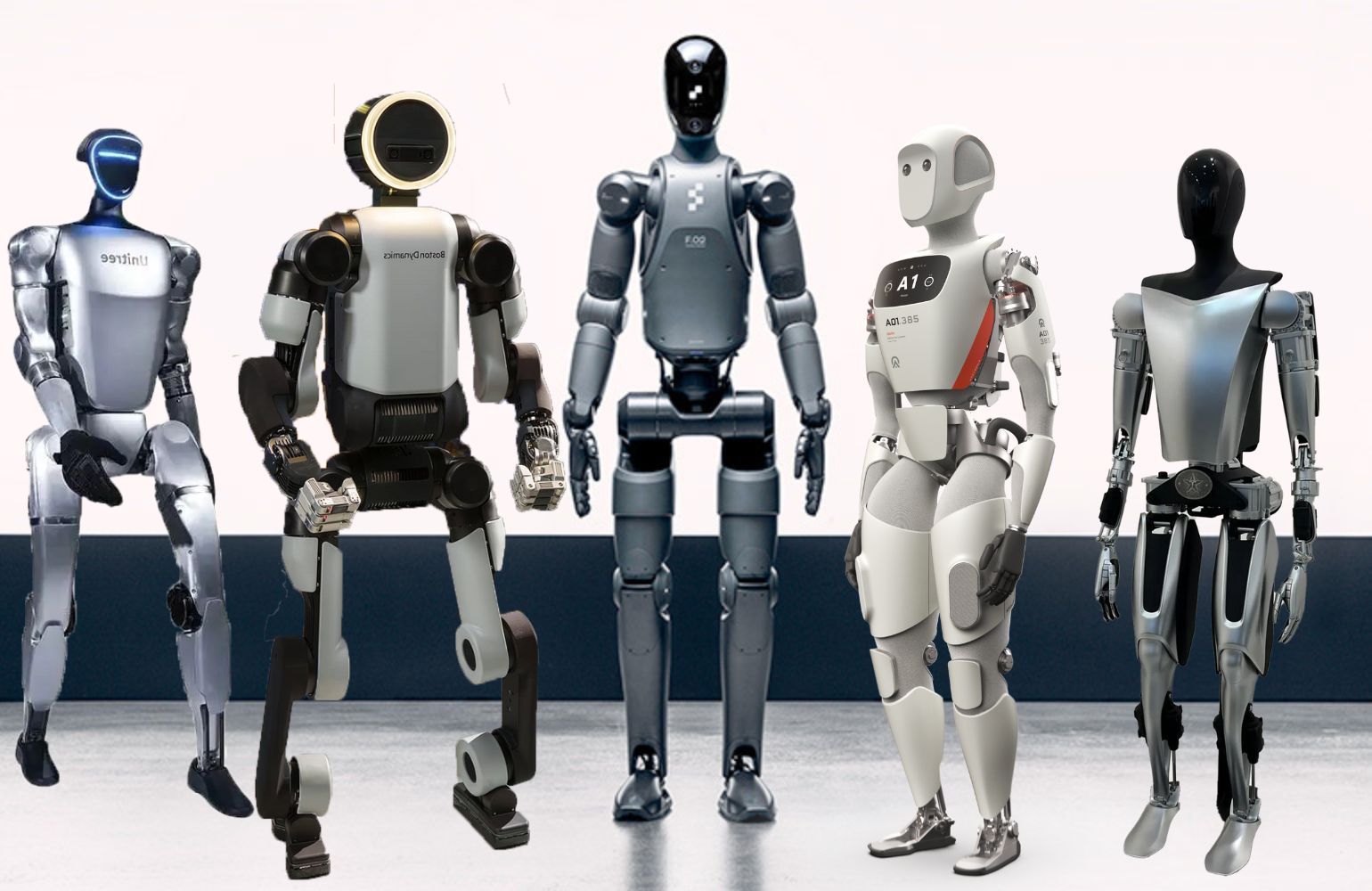
From left to proper: Unitree’s G1, Boston Dynamics’ Atlas, Determine AI’s Determine 02, Apptronik’s Apollo, and Tesla’s Optimus robotic. | Supply: Unitree, Boston Dynamics, Determine, Apptronik, and Tesla
In recent times, humanoid robots have dominated headlines, and the businesses creating them have raised lots of of hundreds of thousands of {dollars} to get them working in the actual world. Regardless of these efforts, precise humanoid deployments are few and much between, famous Gartner Inc.
The market analysis agency doesn’t anticipate this to alter anytime quickly. It mentioned that by way of 2028, fewer than 100 firms will progress with humanoid proofs of idea past experimentation, though near 200 exist at present.
Gartner additionally predicted that fewer than 20 firms will probably be going reside in manufacturing for provide chain and manufacturing use instances. Most deployments of humanoid robots throughout this time will stay restricted to tightly managed environments, reasonably than in dynamic and high-throughput operations, it mentioned.
“The promise of humanoid robots is compelling, however the actuality is that the expertise stays immature and much from assembly expectations for versatility and cost-effectiveness,” mentioned Abdil Tunca, senior principal analyst in Gartner’s Provide Chain observe. “CSCOs [chief supply chain officers] should rigorously consider readiness and keep away from overcommitting sources to options that can’t but ship on their potential.”
Robots designed to imitate the human physique in form, perform, and locomotion are attracting consideration from CSCOs searching for options to workforce challenges and rising labor prices. These humanoids function AI-enabled methods, superior sensors, and machine studying algorithms supposed to dynamically adapt to a number of duties.
Limitations persist for humanoid progress
Humanoid robots incorporate heads with sensors and cameras, arms and grippers for manipulation, and legs for locomotion. Whereas this kind issue provides sure benefits, Gartner famous that various designs—akin to “polyfunctional” robots geared up with wheels or sensors in unconventional placements—could present superior efficiency and adaptableness for provide chain operations.
Regardless of their potential, Stamford, Conn.-based Gartner mentioned humanoid robots face vital obstacles to produce chain, logistics, and manufacturing adoption:
- Technological limitations: Present fashions lack the dexterity, intelligence, and adaptableness required for complicated, unstructured environments akin to combined SKU selecting, trailer unloading, or exception dealing with in excessive velocity warehouses.
- Integration complexity: Compatibility with present methods and workflows stays a problem, as is security.
- Excessive prices: Substantial upfront funding and ongoing upkeep bills have to be weighed in opposition to unsure returns. With the present expertise, humanoids price a number of instances greater than task-specific robots whereas delivering decrease throughput and uptime.
- Power constraints: Restricted battery life restricts operational time for high-mobility duties.
Polyfunctional robots will win the warehouse, says Gartner
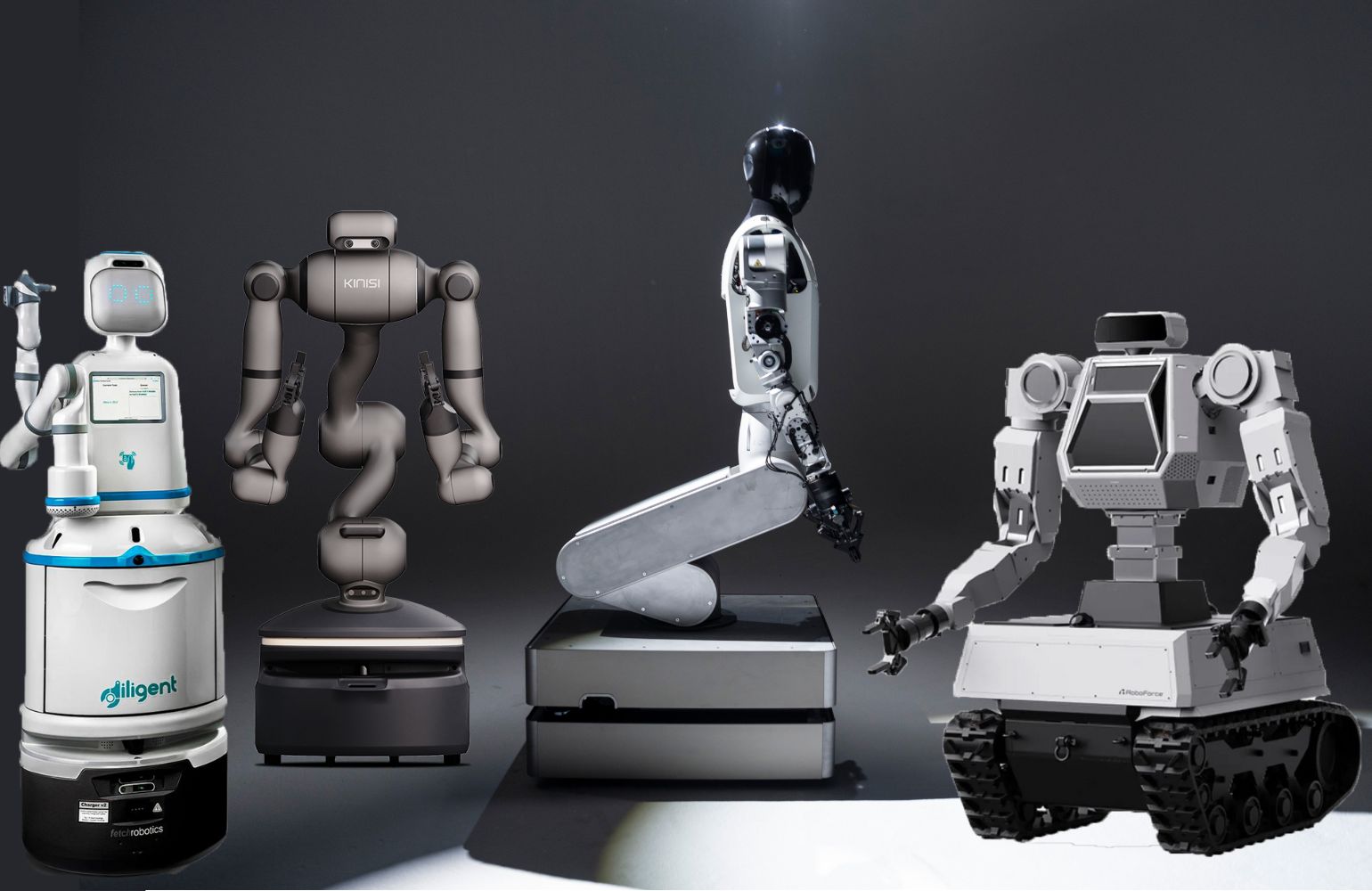
Polyfunctional robots, from left: Moxi, Kinisi 01, HMND 01, and Titan. | Supply: Diligent Robotics, Kinisi Robotics, Humanoid, and RoboForce
In contrast to humanoid robots, polyfunctional robots are optimized for flexibility with out being constrained by human-like design, Gartner noticed. For instance, a cellular manipulator with wheels and a telescopic arm can transfer packing containers, decide instances, scan stock, and carry out inspections, often with greater uptime and utilizing much less power than a humanoid that’s trying the identical duties.
Such robots can combine options that improve effectivity and sturdiness, making them higher suited to dynamic provide chain environments, mentioned the enterprise and intelligence agency.
“Firms with a excessive threat urge for food and deal with innovation are the perfect candidates for pursuing humanoid robots at current, given the unproven capabilities of those options and associated lack of readability for return on funding,” mentioned Caleb Thomson, senior director analyst in Gartner’s Provide Chain observe. “For almost all of firms that might want to prioritize robots that maximize throughput-per-dollar invested, we anticipate polyfunctional robots to be the superior resolution.”
To navigate robotics funding choices successfully, Gartner suggested CSCOs to:
- Pursue pilot applications to validate feasibility earlier than committing to full-scale deployment.
- Collaborate with rising suppliers to affect product growth and align options with operational wants.
- Implement steady monitoring to trace efficiency and information iterative enhancements.
- Foster a tradition of innovation that helps experimentation and calculated risk-taking.
- Prioritize outcome-driven automation that targets particular bottlenecks, reasonably than generalized “headcount discount” methods, which can be much less dangerous from an funding standpoint.

