



Can Congressional Democrats Secure a Pay Raise for Civilian Federal Workers in 2027?
With congressional timelines shrinking and midterm elections on the horizon, Democratic lawmakers are exploring legislative avenues to reverse the Trump administration’s freeze on civilian federal employee salaries for 2027. Union representatives and members of the Federal Workforce Caucus say that attaching a pay increase to year-end government funding bills represents their most viable path forward — though the strategy carries no guarantees of success.
At the heart of the effort is the FAIR Act, legislation introduced earlier in 2026 that would mandate a 4.1% salary increase for civilian federal employees beginning January 2027. Representative James Walkinshaw of Virginia, an original co-sponsor of the bill, has pledged to push for its inclusion in upcoming appropriations packages once Congress enters its brief lame duck session following the November elections.
“The window to act is narrow, and the outcome isn’t assured,” Walkinshaw told supporters. “But we owe it to the federal workforce to try every avenue available to us.”
Congress is currently operating under a short-term spending measure that maintains agency funding levels through mid-December. That legislation, which passed in early September, provides a temporary reprieve but leaves lawmakers little room to craft a comprehensive year-end budget. Negotiations on a full-year spending plan are expected to intensify over the next several weeks, with lawmakers hoping to finalize agreements before the scheduled January implementation date for whatever pay adjustment is ultimately approved.
A key part of the Democratic argument centers on equity between civilian employees and their uniformed counterparts. Under the president’s alternative compensation plan, federal law enforcement personnel would receive a 3.8% pay increase, while members of the armed forces would see raises of 5% to 7% depending on rank and experience. Meanwhile, most civilian government workers remain locked at their current salary levels.
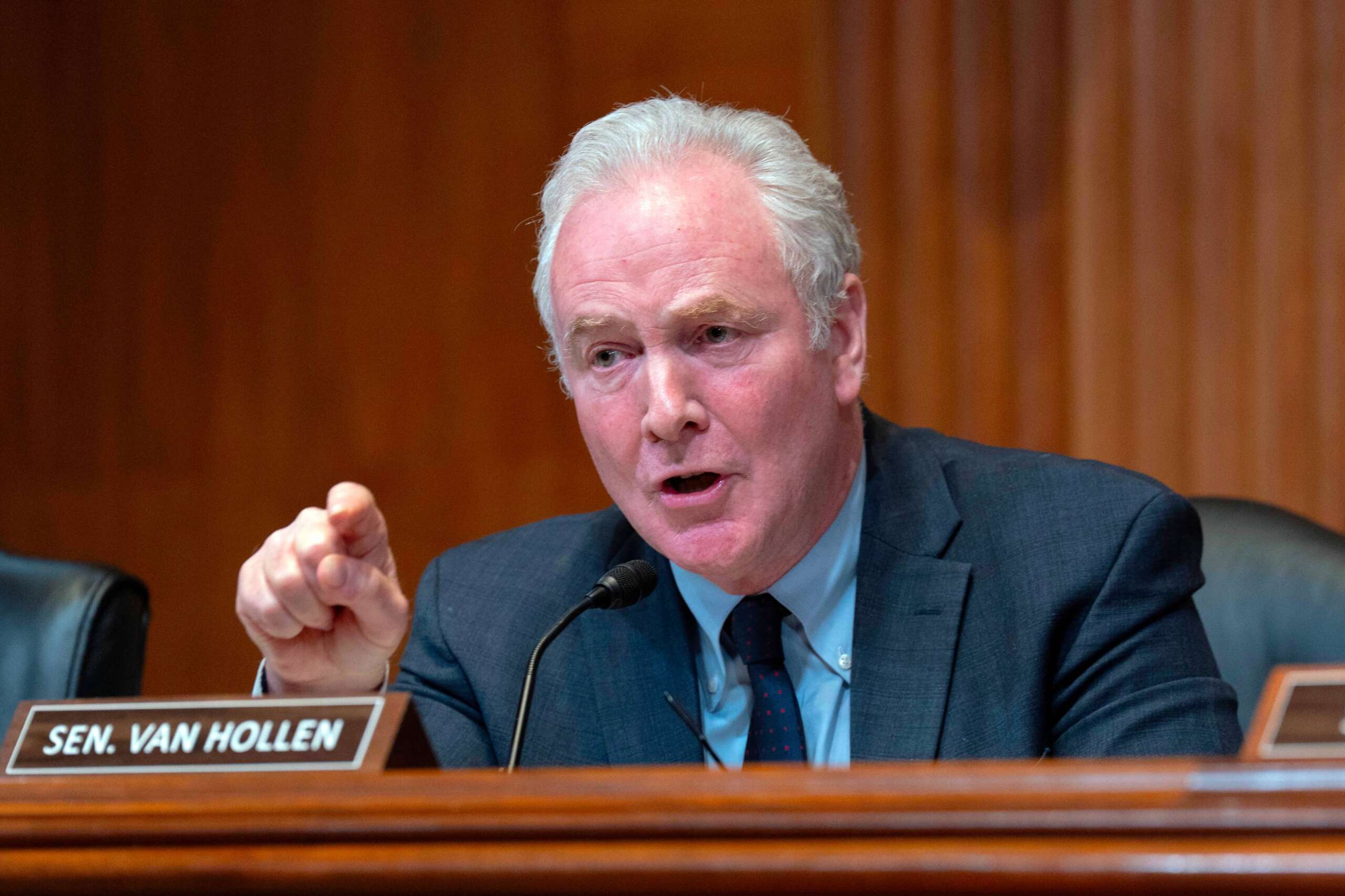
“This creates an absurd situation where people performing essentially identical duties at the same agencies receive vastly different treatment based solely on their job classification,” said Senator Chris Van Hollen of Maryland. “We think Congress has a responsibility to address this imbalance.”
Union leaders representing federal employees have thrown their full support behind the push for a raise. The American Federation of Government Employees, the National Federation of Federal Employees, and the National Treasury Employees Union all issued statements urging Congress to act decisively.
“This administration has carved up the federal workforce in a way no previous president has attempted,” said Everett Kelley, national president of the American Federation of Government Employees. “When every other leader — regardless of party — has treated the entire federal workforce with the same respect, this administration’s decision to single out civilian employees is both unjust and counterproductive.”
Supporters of the pay raise also point to economic pressures facing federal workers. With inflation hovering near 3.5% in recent months, advocates argue that a salary freeze constitutes an effective pay reduction when adjusted for the rising cost of goods and services. Representative Steny Hoyer of Maryland suggested that Congress may have as little as five to six weeks to secure action before the wage situation becomes locked in for the coming year.
Past congressional interventions offer a glimmer of hope for proponents of a 2027 raise. During the 2018-2019 government shutdown, Congress attached a 1.9% pay increase to a spending deal that resolved the standoff. The salary boost was applied retroactively to the first full pay period in January, overriding a freeze that had been in place for months. Experts familiar with budgetary negotiations say that a similar approach could be replicated if spending talks extend into early 2027.
“There is historical precedent for Congress using the appropriations process to overrule presidential pay decisions,” noted John Hatton, a senior official at the National Active and Retired Federal Employees Association. “The appropriations process involves constant give-and-take, and employee compensation has been an area where that bargaining plays out.”
However, obstacles remain significant. Republican-controlled appropriations committees have so far shown no inclination to deviate from the administration’s salary policy. If GOP support does not materialize broadly enough, even a well-timed legislative effort could stall before reaching a vote.
A letter signed in mid-September by more than 100 members of the House and Senate, including one Republican lawmaker, called on congressional leadership to step in and reverse the pay freeze. The signers warned that the policy could undermine efforts to attract and retain talented employees across government agencies — a concern the administration itself raised when recommending the 3.8% increase for law enforcement in its own pay proposal.
Democrats and union representatives argue that the same reasoning used to justify raises for law enforcement personnel should logically extend to the broader federal workforce. “If competitive pay is essential for recruiting qualified law enforcement officers, then it stands to reason that it is equally essential for every federal employee who delivers critical services to the American public,” lawmakers contended.
Doreen Greenwald, national president of the National Treasury Employees Union, emphasized that a salary freeze would ripple far beyond individual paychecks. “When federal workers can’t keep up with living expenses, agencies lose institutional knowledge and experienced staff. That weakens everything from benefits processing to public health protections to law enforcement operations,” Greenwald said. “The consequences of inaction extend into the daily lives of every American who depends on government services.”
FAQ
What is the FAIR Act?
The FAIR Act is a piece of legislation introduced in 2026 that would require a 4.1% pay increase for civilian federal employees starting in January 2027.
Why is the timing so urgent?
Congress has a limited number of working days remaining before the lame duck session ends, and the pay situation — whether a freeze or a raise — is expected to take effect in January 2027. Lawmakers must act before that date to change course.
How might the pay raise actually be passed?
The most discussed strategy is to attach the pay increase as a policy rider to a government spending bill during the appropriations process, which would require approval from both chambers and the president (or enough legislative votes to override a veto).
What happened during the 2018-2019 government shutdown regarding federal pay?
Congress included a 1.9% pay raise in a spending deal that ended the shutdown. The increase was applied retroactively to nearly three months of locked paychecks, overriding a prior freeze.
Why are Democrats focusing on the difference between civilian and military pay?
Because the administration is planning raises for law enforcement and military personnel while keeping civilian salaries frozen, lawmakers argue the policy creates an inequitable two-tier compensation system within the same agencies.
Has any Republican in Congress supported reversing the pay freeze?
One Republican lawmaker signed a September letter urging congressional action on the pay freeze, indicating some level of bipartisan disagreement on the issue, though the Republican-controlled appropriations committees have not pursued the matter openly.
Conclusion
The effort to secure a federal pay raise for civilian employees in 2027 represents a high-stakes legislative gamble. Democrats and union allies are banking on spending negotiations to create an opening for changing the administration’s pay freeze, drawing on historical precedent while facing a hostile congressional timeline and potential partisan resistance. Whether the combination of political will, strategic timing, and coalition pressure proves sufficient remains uncertain. Federal employees across the country will be watching closely as lawmakers navigate the final stretch of the year — aware that the outcome could reshape compensation expectations for the entire workforce in the years ahead. Thank you for reading.
