



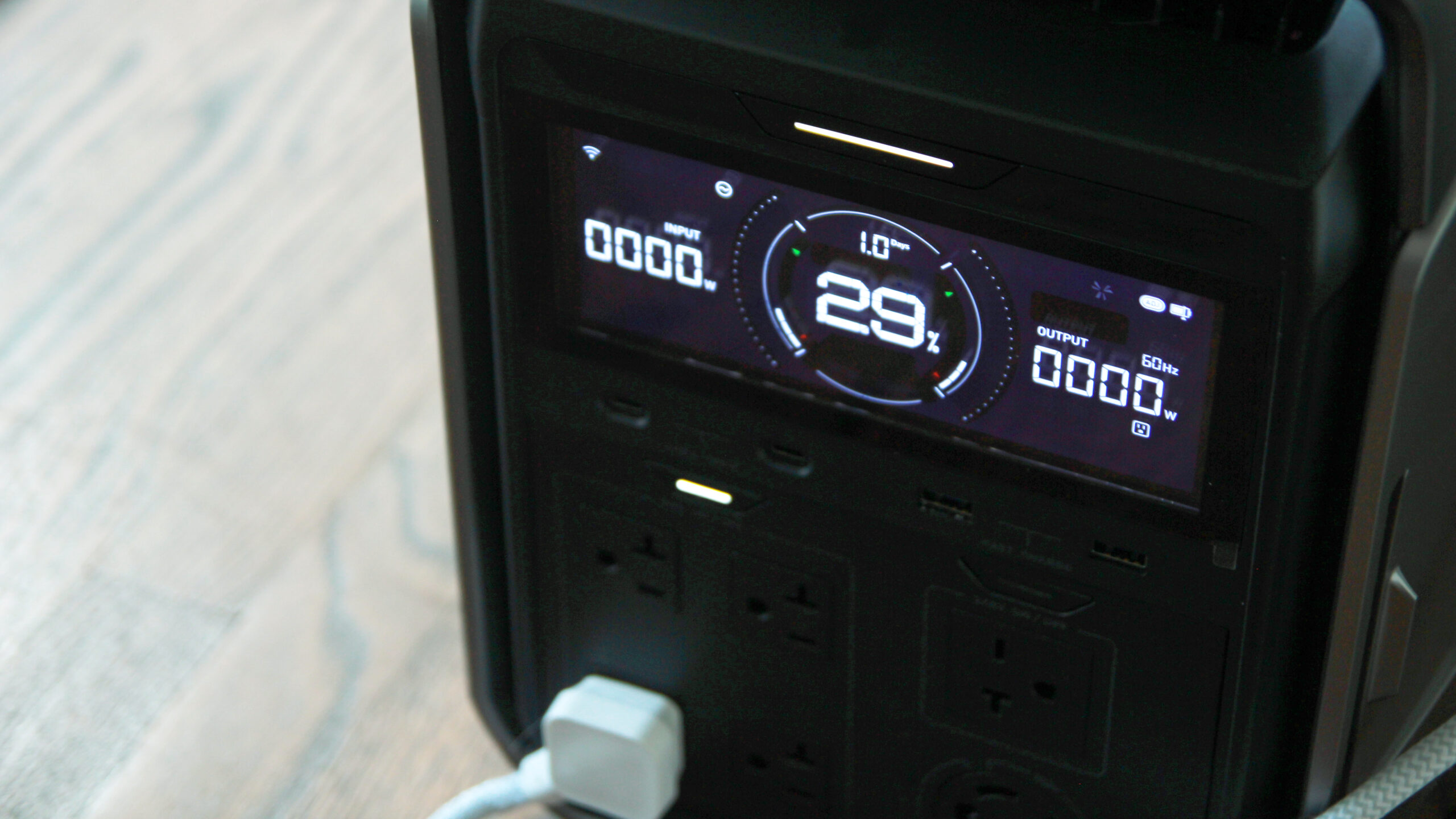
# Which Appliances Should You Avoid Running on a Portable Power Station?
Portable power stations have become increasingly popular as backup energy solutions for homes, camping trips, and emergency preparedness. However, not all appliances are suitable for running on these battery-powered units — and some can drain your stored energy in record time. Understanding what to plug in — and what to leave unplugged — can make all the difference when you need backup power the most.
## Why Appliance Selection Matters
A portable power station stores a finite amount of energy in its battery pack. While modern units can handle surprisingly heavy loads, including electric vehicle chargers and large HVAC systems, that doesn’t mean every high-wattage device is a smart choice. Running energy-hungry appliances continuously can deplete your battery in under two hours, leaving you without backup power when you need it most.
The key is understanding the difference between what a power station **can** handle and what it **should** handle.
## Appliances Best Avoided on a Power Station
### Central HVAC Systems
Central air conditioning units typically draw between 3,000 and 5,500 watts of power during operation. That level of sustained energy demand will exhaust most portable power stations in a very short period. While larger stationary battery systems may be designed for whole-home HVAC support, a portable unit is generally not the right tool for this job.
### Heat-Producing Appliances
The biggest energy drain on any power station comes from devices that convert electricity into heat. Because heat requires a massive amount of energy to generate, these appliances consume power at an alarming rate. Here is a list of heat-producing devices that should generally be avoided on a portable power station:
– **Electric clothes dryer** — uses heating coils that demand continuous high wattage
– **Electric water heater** — whether tank-style or tankless, these draw significant power to heat water
– **Hot tub or pool heater** — designed to maintain high temperatures over long periods
– **Electric oven** — multiple heating elements can push consumption well above 2,000W
– **Space heater** — a typical 1,500W unit can empty a 2,000Wh battery in about 80 minutes
– **Electric fireplace** — similar to space heaters, these run continuously at high wattage
– **Heat pump** — while efficient in some contexts, they still impose a heavy sustained load
## What You Should Run on a Power Station Instead
Some devices are ideal candidates for a portable power station. These include:
– **Modem and router** — keeping your internet connection alive is essential, especially if you work remotely
– **Refrigerator** — although it has a high startup surge, its compressor cycles on and off, making it much more efficient than a continuous-load device
– **Security cameras and alarm systems** — critical for home safety during outages
– **LED lamps** — low-power lighting that can last for hours on a single charge
– **Fans** — a great way to stay comfortable in hot weather without heavy energy consumption
– **Medical devices** — such as CPAP machines, which are essential for health and safety
## How to Plan for Outages with a Portable Power Station
Effective outage preparation starts with a plan. Make a list of the essential devices you need to keep running and estimate their wattage. Monitor your battery’s real-time energy consumption through the manufacturer’s companion app, and set usage priorities accordingly. By being intentional about what you plug in, you can stretch your backup power across many hours — or even days — during a prolonged outage.
## Frequently Asked Questions
**Can I run a space heater on a power station?**
Technically, yes — if your power station has the wattage capacity. However, a 1,500W space heater will drain a 2,000Wh battery in roughly 80 minutes or less. This makes it impractical as a continuous backup solution during extended outages. Use it sparingly and only when absolutely necessary.
**Why is a refrigerator okay but a space heater is not?**
A refrigerator’s compressor doesn’t run continuously. It cycles on and off to maintain a set temperature, meaning its average power draw is much lower than its rated maximum. A space heater, on the other hand, stays on at full power until you turn it off, making it far more demanding on your battery.
**What devices should always stay connected to a power station?**
Your modem and router, refrigerator, security system, and any essential medical devices (like CPAP machines) are top priorities. These keep you connected, safe, and comfortable with minimal energy draw.
**Are heat-producing devices ever okay to use on a power station?**
They can be used on an as-needed basis — for example, running an oven briefly to cook a meal. The key is to avoid running them continuously for long periods, as they will consume your stored energy much faster than other appliances.
**How do I know which appliances are safe for my power station?**
Check the wattage rating of each appliance and compare it to the continuous output and battery capacity of your power station. A device that requires more continuous wattage than your station can supply will either fail to run or rapidly deplete the battery.
## Conclusion
A portable power station is an incredibly versatile tool for backup energy, but it works best when used strategically. By avoiding high-drain heat-producing appliances and focusing on essential, lower-consumption devices, you can maximize your battery life and stay powered through even the longest outages. The goal isn’t to run everything — it’s to keep the most important things running when it matters most.
Thank you for reading
