



The early promise of the IoT was straightforward to image. Sensors would observe items, whereas machines reported their standing by dashboards that gave managers a real-time view of operations.
Years later, most giant firms have already got linked gadgets in place. But many nonetheless wrestle to show that information into clear motion. Analysis from McKinsey & Firm exhibits that though IoT adoption continues to develop, many organisations nonetheless wrestle to seize worth at scale as a result of information is difficult to handle and techniques are laborious to combine.
From gadgets to choices
In earlier deployments, IoT techniques centered on visibility. Corporations needed to know the place belongings have been and the way machines have been performing, whereas additionally recognizing points earlier than they precipitated disruption. That usually led to dashboards stuffed with information and alerts.
Analysis from IoT Analytics exhibits that many organisations nonetheless wrestle to show IoT information into helpful motion. One purpose is that the variety of linked gadgets is rising sooner than the techniques used to handle them.
The change now’s towards techniques that do greater than report. They interpret information, set off workflows, and in some circumstances act on their very own. A system might flag a provide chain delay or schedule upkeep earlier than the problem spreads.
On this mannequin, IoT fades into the background.
Invisible IoT
Provide chains supply a transparent instance of this transformation. Items transfer in a number of areas, usually dealt with by completely different companions. Sensors can observe the place items are, whether or not temperatures keep in vary, and the way they’re dealt with at every step.
Knowledge from IDC exhibits that international information creation is predicted to succeed in round 79 zettabytes in 2025. With out integration, a lot of that information dangers sitting unused.
Invisible IoT techniques goal to shut that hole. Sensor information can feed into logistics platforms that replace stock information or ship alerts when situations change. Some techniques additionally join with finance instruments, which can assist firms observe prices and handle contracts tied to supply efficiency.
The person doesn’t see the system or the information stream, however a end result, like a cargo that arrives on time or a delay that’s resolved earlier than it turns into an issue.
Digital twins with out dashboard
One other space the place this transformation is seen is in digital twins. Knowledge from sensors feeds into the mannequin, which may simulate outcomes and recommend actions. In some circumstances, techniques set off actions robotically.
This adjustments how groups work together with the system. As an alternative of watching a mannequin, they depend on it to information operations. The transfer towards invisible IoT is dependent upon integration. Knowledge from gadgets should join with enterprise techniques like logistics platforms, ERP instruments, and enterprise networks.
Corporations like OpenText are working on this house by linking IoT information with broader info techniques. Its method focuses on combining sensor information with AI instruments to help asset monitoring and predictive upkeep, whereas additionally enhancing provide chain visibility.
For instance, sensor information can feed right into a system that detects uncommon patterns in gear efficiency. That sign can set off a upkeep request and replace spare-parts stock. It might additionally notify the related crew. The method runs in a number of techniques, however from a person’s standpoint, it seems as a single motion.
This kind of setup displays the broader route of IoT. The worth lies not within the system, however in how its information strikes by the organisation.
Why invisible IoT issues
The variety of linked gadgets continues to develop, which will increase the amount and complexity of information. Provide chains are additionally beneath strain, and firms are searching for sooner methods to answer disruptions. On the identical time, AI instruments are enhancing how information is analysed and the way actions are triggered in actual time.
McKinsey & Firm estimates that IoT might generate between $5.5 trillion and $12.6 trillion in worth globally by 2030, as extra techniques transfer from monitoring to automated decision-making. Taken collectively, these components make it tougher to depend on guide processes.
Safety and information administration have gotten extra vital. Every linked system can introduce new dangers. Managing id and information circulation in techniques is now a part of the IoT problem.
The change towards invisible IoT is mirrored in face-to-face trade gatherings like IoT Tech Expo North America. Slightly than specializing in new gadgets or sensors, many conversations will centre on how IoT information connects with AI and enterprise techniques.
Corporations, together with OpenText, will probably be a part of that dialog, highlighting how IoT is transferring past visibility and into decision-making processes that run behind the scenes.
The subsequent section of IoT
The subsequent step in IoT is making sense of the information these gadgets produce and turning it into motion. As techniques tackle extra of that work, IoT turns into much less seen to customers. It blends into on a regular basis operations, shaping outcomes with out drawing consideration to itself. In some ways, that could be the clearest signal that the know-how is maturing.
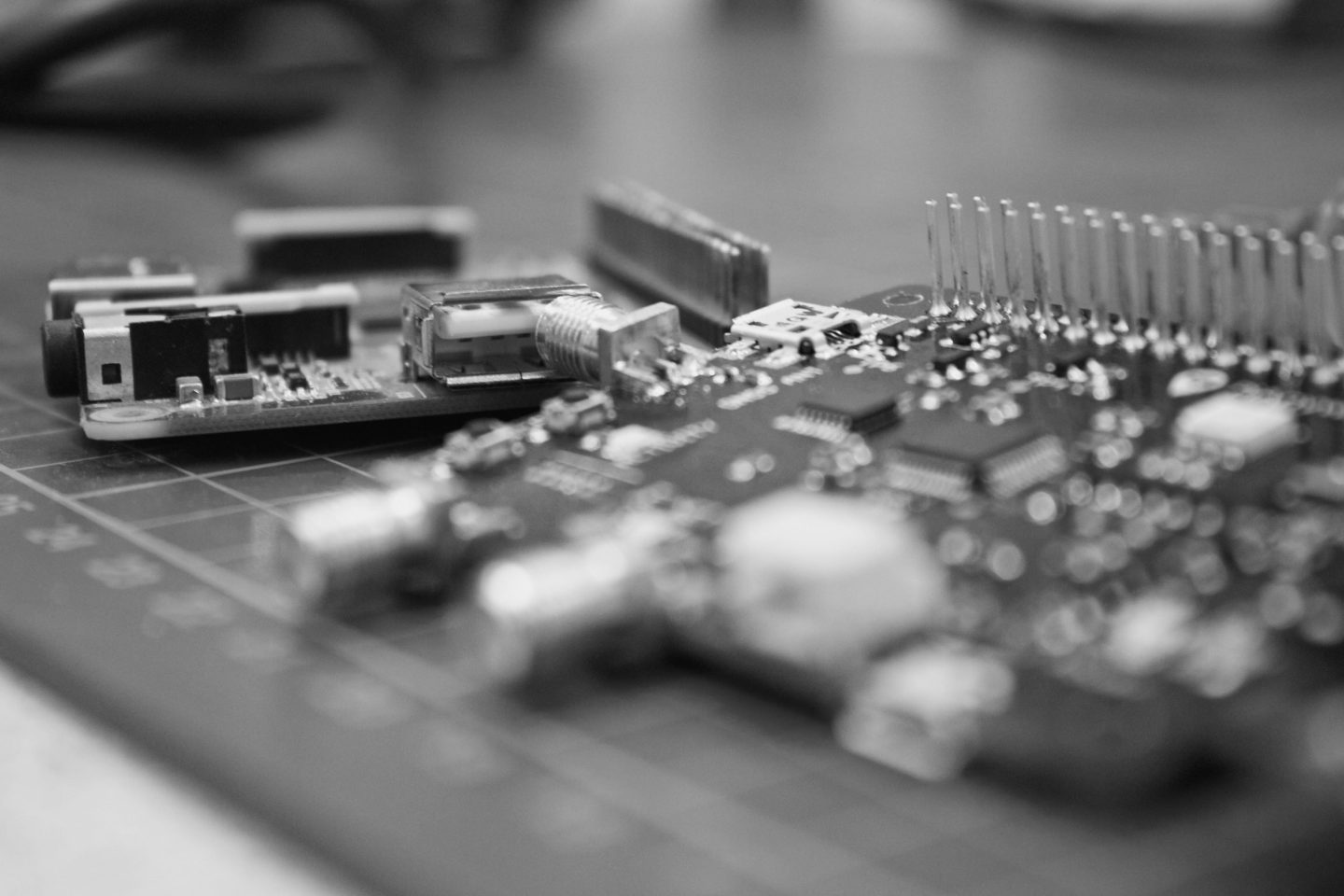
(Photograph by Louis Reed)
See additionally: Industrial IoT calls for clear outcomes and price management
Wish to find out how OpenText is making use of IoT platforms, information administration, and AI-driven insights in observe? As a part of IoT Tech Expo North America 2026, attendees can join with the crew on the San Jose McEnery Conference Centre on Could 18 – 19, 2026.
IoT Information is powered by TechForge Media. Discover different upcoming enterprise know-how occasions and webinars right here.
