



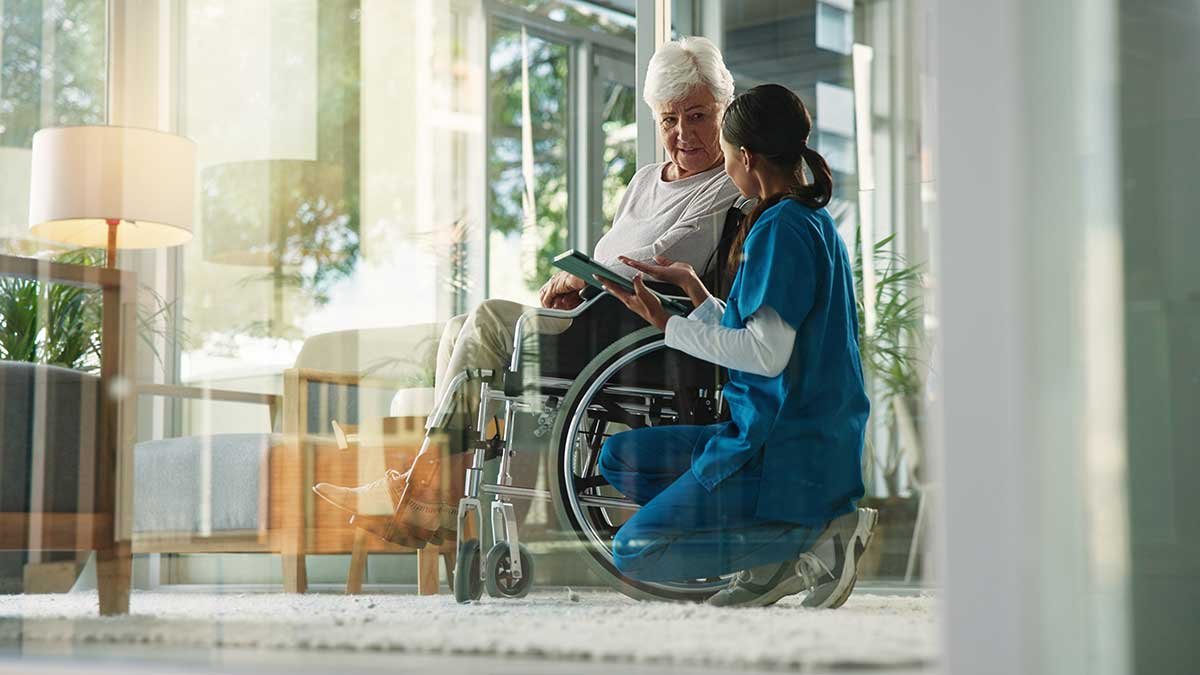
Aging at Home: How Connected Environments Are Reshaping Elderly Care
As populations across the globe continue to age, traditional residential care facilities are struggling under significant financial and logistical pressures. In many nations, the conversation around social care reform remains a dominant political topic, driven by expanding life expectancies. To address this widespread challenge, connected home environments are emerging as a practical technological intervention. By weaving smart technology into standard houses, older adults can maintain their independence in familiar surroundings, while families and medical professionals gain the oversight they need.
The push for these intelligent networks stems from an international shift in demographics. With older populations growing rapidly, there is a pressing requirement for adaptable care options that move beyond institutional settings. Smart home technology addresses this gap by converting standard residential properties into responsive environments. These networked systems bridge the divide between total independence and institutional care. Families can implement technological upgrades gradually whenever the needs of older relatives change, making modernization an economically viable way to supplement broader care provisions.
Several categories of connected hardware provide the practical foundation for independent living. Voice-activated smart speakers function as central command hubs for residents experiencing reduced mobility, allowing them to adjust room temperatures or contact relatives through clear vocal prompts. Unobtrusive environmental sensors introduce an additional layer of physical safety across living spaces. Discreet motion and door sensors track routine activity patterns, flagging emerging complications before health deteriorates. In broader domestic setups, these same sensors trigger automated lighting to illuminate dark pathways at night, while connected access locks allow relatives or emergency responders to enter during urgent situations.
Beyond environmental safety, connected health hardware enables the continuous evaluation of vital physiological signs outside clinical walls. Modern wearable devices can log pulse rates alongside blood oxygen levels and transmit telemetry securely to clinicians, who can intervene swiftly whenever baseline readings degrade. Additionally, smart medication devices further support daily clinical adherence by unlocking specific compartments on schedule, ensuring older adults take the correct doses at the right times.
## Conclusion
Smart home technology provides an enduring model for populations choosing to age in place. Connected devices deliver dependable routine monitoring and expedite emergency assistance, all while protecting personal autonomy. By easing the logistical burden placed on public social care systems, widespread deployment delivers clear societal value. When domestic environments actively adapt to the changing needs of their inhabitants, aging at home becomes a secure and viable reality rather than a distant aspiration.
## Frequently Asked Questions (FAQ)
**Q: Why is smart home technology being explored for older adults?**
A: As conventional residential care models face financial constraints and demographic pressures increase, connected solutions offer a way to help older adults maintain independence and safety in their own homes without requiring a move to an institution.
**Q: What specific devices help individuals live independently?**
A: Key technologies include voice-activated speakers that act as hubs for hands-free control, motion and door sensors that monitor daily routines for safety, wearables that track vital health metrics like heart rate and oxygen levels, and smart dispensers that manage medication schedules.
**Q: What challenges must be overcome for these systems to work effectively?**
A: Success requires reliable digital infrastructure, including expanded broadband coverage to ensure rural residents have equal access. Additionally, strict privacy safeguards, end-to-end encryption, and user-friendly interfaces are essential to build trust and protect sensitive personal data.
Thank you for reading
