



# Apple’s Walled Garden Meets the AI Era: Control, Competition, and the Battle Over Your Data
## The Fortress Philosophy
For over a decade, Apple has built its identity around one guiding principle: maintain total control over the user experience. What began as a strategy to differentiate its devices from a fragmented and security-laden rival ecosystem has evolved into one of the most consequential technology policy debates of the modern era.
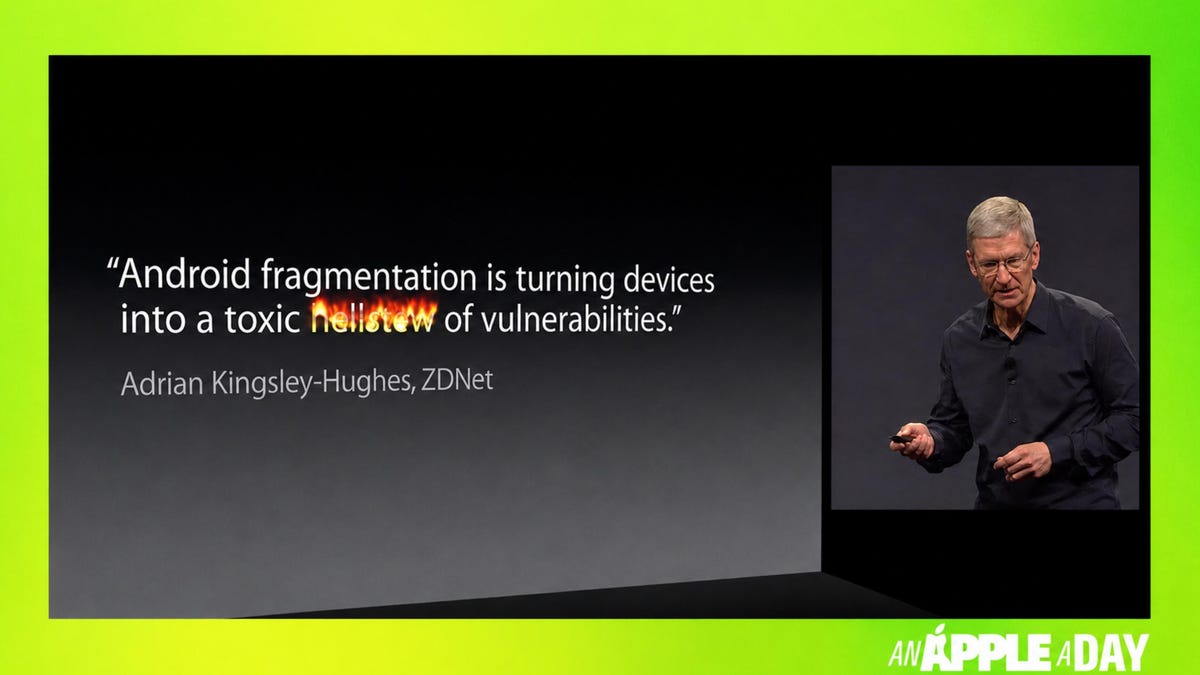
Back when smartphones were still finding their footing, one mobile operating system was widely regarded as a minefield of security flaws and unchecked developer access. Apple positioned itself as the safer alternative — a controlled environment where every app, every transaction, and every piece of data passed through a single gate. This approach earned the company a reputation for prioritizing user safety over developer freedom, and for a long time, the strategy worked remarkably well.
## From App Stores to Algorithms
The original fight was about distribution. Apple required developers to funnel all sales through a single channel, charged commissions ranging from 15 to 30 percent, prohibited alternative payment systems, and banned competing browser engines entirely. While many viewed these rules as heavy-handed, Apple argued they were essential to keeping malicious software and predatory practices away from its users.
That rigid posture faced its first major cracks when courts and regulators began intervening. Landmark litigation forced the company to loosen its grip on in-app payment links. European legislation compelled Apple to permit sideloading, third-party app marketplaces, and alternative browsing engines. A major antitrust investigation launched by the U.S. Department of Justice in 2024 added further pressure, though the outcome remains uncertain.
Each of these developments chipped away at the fortress walls, but Apple adapted by finding new ways to assert control. A newly introduced technology fee in Europe, designed to offset compliance costs, itself became the subject of regulatory scrutiny and was found to potentially violate the very legislation it was meant to satisfy.
## AI Changes Everything
The current frontier of this battle is artificial intelligence. Unlike the early app store wars, the AI landscape has no physical storefront to gatekeep. Generative AI tools and large language models are freely available, and Apple cannot simply block them the way it once tried to regulate software distribution.
But Apple is not relinquishing the fight. Rather than controlling access to third-party AI models, the company is focusing its efforts on controlling the interface between the user and the technology. By withholding system-level AI capabilities — most notably its intelligent voice assistant — from certain markets, Apple attempts to sidestep the regulatory frameworks that govern app distribution and platform behavior.
The company has been explicit about this strategy. When regulators asked why certain AI features were not being offered in a particular region, Apple pointed to compliance burdens as the reason. Critics, however, suggested the company was strategically avoiding the oversight that would come with broader AI integration.
## The Google Connection
Ironically, as Apple positions itself as a champion of user privacy and data security, it is increasingly relying on a competitor to power its AI features. Reports indicate the company is paying billions of dollars annually to a major search and AI company to serve as the backend for its intelligent assistant. Meanwhile, the data processed through these AI features is handled on Apple’s own private cloud infrastructure, meaning the company retains custody of user information even as it outsources the computational heavy lifting.
This arrangement highlights a fascinating contradiction in Apple’s modern strategy. The company does not appear interested in building frontier AI models from scratch. Instead, it wants to be the trusted intermediary — the polished front door through which users interact with powerful but potentially invasive technology.
## Regulators Are Closing In
The regulatory landscape is shifting rapidly. The European Commission has signaled its intention to expand its scrutiny beyond traditional platforms to include smart television systems and virtual assistants — products that function as gatekeepers in much the same way that app stores and browser engines once did.
This means Apple’s AI ambitions are now subject to a new wave of regulatory attention. The same walls that once kept malware out are now being examined for whether they keep users from accessing the full range of available technology.
Meanwhile, Apple’s own tracking transparency tools — designed to give users more control over their data — have drawn fines from European authorities, illustrating the fine line between protecting privacy and restricting competition.
## The Ongoing Tension
At its core, this is not a story about one company being right and another being wrong. Both Apple’s commitment to user safety and regulators’ insistence on open competition have legitimate foundations. A modern smartphone holds an extraordinary amount of sensitive personal information — from health records to financial data — and the idea that any company should have unchecked access to that information is deeply concerning.
On the other hand, when a single company controls the entire software distribution pipeline, the browser engine ecosystem, and the default AI experience on its devices, the question of whether consumers truly have meaningful choices becomes difficult to ignore.
What makes this chapter particularly significant is that history is repeating itself. The same playbook Apple used during the app store era — maintain control, resist interoperability, and only concede when legal consequences become unavoidable — is playing out once again, this time in the domain of artificial intelligence.
## FAQ
**Q: Why does Apple call its ecosystem a “walled garden”?**
A: The term refers to Apple’s practice of maintaining strict control over every aspect of its software and hardware environment — from which apps are available to how they can be distributed and monetized. The goal is to create a controlled, curated experience that Apple argues is safer for users.
**Q: What is the Digital Markets Act and why does it matter to Apple?**
A: The Digital Markets Act is European Union legislation that targets large technology companies designated as “gatekeepers.” It requires them to allow interoperability, permit third-party app distribution, and avoid anti-competitive practices. For Apple, this has meant opening up its ecosystem in ways it had previously resisted.
**Q: Why was Apple’s AI assistant delayed in certain regions?**
A: Apple cited the need to comply with the Digital Markets Act and other regional regulations as the reason for delaying certain AI features. The company argued that it could not develop solutions that met the required privacy and security standards in time.
**Q: Is Apple building its own AI models?**
A: Apple is not developing a frontier-scale AI model to compete directly with leading AI labs. Instead, it relies on partnerships with major technology companies for the underlying AI capabilities while focusing on building the user-facing interface and maintaining control over data processing.
**Q: What is Apple’s Private Cloud Compute?**
A: It is Apple’s secure cloud infrastructure designed to process AI-related requests while keeping user data protected. Even when Apple uses third-party AI models, the data is processed on Apple-owned servers rather than being sent to external providers.
**Q: How much is Apple paying its AI partner?**
A: According to reports, Apple is paying billions of dollars over multiple years to integrate a major technology company’s AI capabilities into its ecosystem, though the exact figures and terms remain largely confidential.
## Conclusion
The battle between Apple and regulators over AI is not a new chapter — it is a continuation of a decade-long struggle over control, competition, and the boundaries of platform power. As artificial intelligence becomes more deeply embedded in everyday technology, the decisions made by companies like Apple will shape not only how we interact with our devices but also who gets to decide what is safe, what is open, and what is fair.
The walls of the fortress are still standing, but they are under increasing pressure from every direction — legal, technical, and philosophical. Whether those walls ultimately hold or crumble will depend on the balance that regulators, companies, and users strike in the years ahead.
Thank you for reading
