



**Samsung Advances Health AI with Foundation Models for Wearable Biosignals**
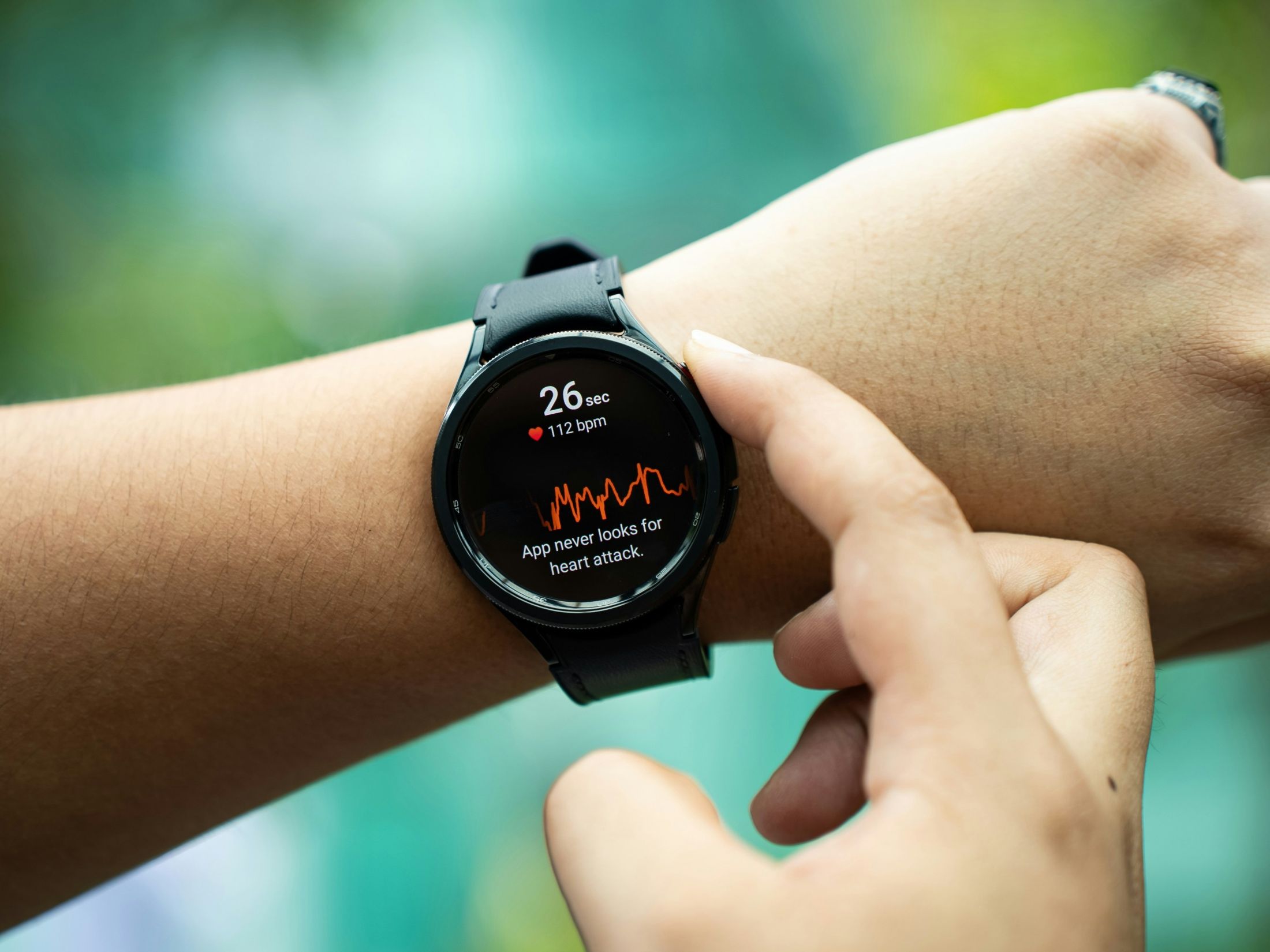
Samsung Research America’s Digital Health Team is pioneering a new approach to health artificial intelligence with the development of two AI foundation models designed to learn from wearable biosignals. These models focus on data captured by smartwatches, including heart activity, sleep patterns, and physical movement. The work was highlighted as part of Samsung’s Connected Care vision presented at the Health Forum during Galaxy Unpacked in July 2026, underscoring the company’s long-term commitment to preventive, personalized, and connected health solutions.
At the core of this research is the concept of health foundation models—AI systems that can learn from large-scale, unlabeled physiological data and apply that learning across a wide range of health-related tasks. According to Sharanya Desai, Head of Digital Health Algorithms at Samsung Research America, these models provide the technical foundation for delivering efficient, precise, and continuous health insights directly from wearable devices.
### Understanding the Two Health AI Foundation Models
The research introduces two distinct models: **xMAE** and **HiMAE**, each designed to address different aspects of wearable data analysis.
**xMAE (Physiology-Aware Masked Cross-Modal Reconstruction for Biosignal Representation Learning)** focuses on capturing relationships between different biosignals. It learns how to reconstruct masked portions of an ECG signal using PPG (photoplethysmography) data. This is significant because it allows for the analysis of cardiovascular features using continuous PPG readings from smartwatches, without requiring users to perform manual ECG measurements. The model was trained on approximately 9,400 hours of combined ECG and PPG data and has shown strong performance in tasks such as cardiovascular disease prediction and abnormal test detection.
**HiMAE (Hierarchical Masked Autoencoder)** takes a broader approach by analyzing health patterns across multiple time scales. It uses multiple encoders to process both short-term signals, like heartbeats, and long-term patterns, such as sleep or physical activity. This flexibility allows a single pretrained model to support various tasks including classification, numerical prediction, and data generation. HiMAE is designed to be efficient, delivering results in less than one millisecond on smartwatch-class hardware, which makes it suitable for on-device processing without relying on cloud servers.
### Real-World Impact and Performance
Samsung reports that xMAE outperformed unimodal and existing multimodal models in 15 out of 19 evaluation tasks. The learned features also demonstrated cross-device and cross-environment versatility, suggesting strong potential for real-world deployment across different wearable platforms and user conditions.
These models represent a shift toward more autonomous, intelligent health systems—capable of extracting diagnostic markers, running predictive health classifications, and offering user guidance directly from consumer hardware.
### FAQ
**Q: What are health foundation models?**
Health foundation models are AI systems trained on large volumes of unlabeled health data, such as wearable biosignals, to learn general patterns and relationships. These models can then be adapted for specific health tasks like disease prediction, sleep analysis, or biomarker discovery.
**Q: What biosignals does Samsung’s research focus on?**
The research uses data from smartwatches, including heart rate via ECG and PPG, sleep patterns, and physical activity.
**Q: How is xMAE different from HiMAE?**
xMAE concentrates on the relationship between different biosignals—specifically linking continuous PPG data to ECG signals—while HiMAE analyzes health patterns across various time scales, from heartbeat-level changes to long-term behavioral trends.
**Q: Can these models run directly on smartwatches?**
Yes, especially HiMAE, which is designed for on-device processing and can deliver results in under one millisecond on smartwatch-grade hardware.
**Q: What tasks have these models been tested on?**
They have been evaluated on cardiovascular disease prediction, abnormal test detection, sleep-stage classification, and numerical health predictions.
### Conclusion
Samsung’s health AI foundation models mark a significant step forward in wearable-based health technology. By enabling continuous, personalized, and device-side analysis of biosignals, these models pave the way for smarter, more responsive health solutions. As research advances and partnerships expand, the vision of a connected, preventive healthcare ecosystem becomes increasingly attainable—offering users deeper insights and greater control over their well-being through the devices they already wear every day.
