



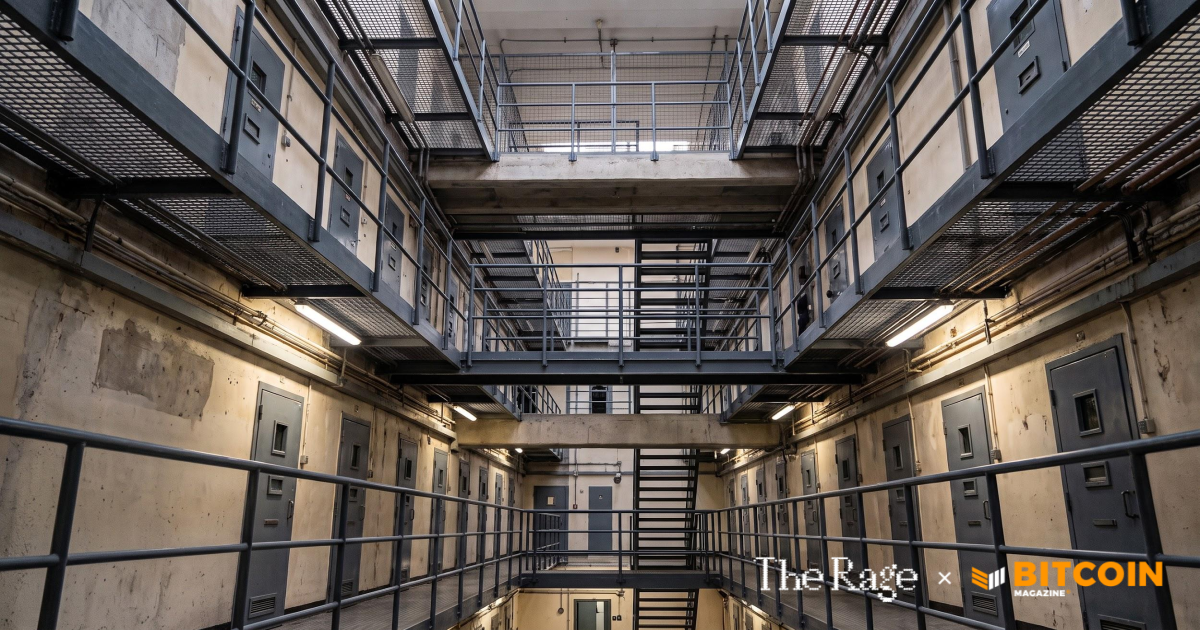
# Behind Bars and On the Move: Understanding the Federal Prison Transit Experience
**Dear Reader,**
The Bureau of Prisons (BOP) transfer system is a little-discussed aspect of the federal incarceration experience, yet it affects thousands of individuals every year. What should be a straightforward move from one facility to another often becomes an arduous, multi-day ordeal that tests both physical endurance and mental resilience. Understanding how this system works — and what it feels like from the inside — sheds light on a process that remains largely opaque to those on the outside.
## Why Transfers Happen
Federal prisoners may be transferred between facilities for any number of reasons. Some are placed into drug and alcohol treatment programs, which, if successfully completed over roughly nine to ten months, can result in a reduction of their sentence. Others are moved for security classifications, medical needs, or administrative reassignment. Regardless of the reason, the process of getting from one institution to another is rarely quick or simple.
One critical detail that many incarcerated individuals learn early on: the BOP does not inform prisoners of when they will be leaving or where they are being sent. This lack of advance notice is intentional, rooted in security protocols, but it means that every transfer is a leap into the unknown.
## The Cost of Transit
It is widely reported among those who have gone through the system that the BOP spends approximately $10,000 per prisoner to process a transfer through its central transit hub. Despite this significant expense, the experience of being moved through that hub often feels stripped of any comfort or dignity. Prisoners classified as minimum security who have served time on pre-trial release, who have self-surrendered, and who have maintained clean disciplinary records are sometimes told they qualify for a transfer furlough — meaning they would transport themselves to their new facility at their own expense. Requests for this arrangement are frequently denied without explanation.
## Day One: The Bus
The journey typically begins early in the morning at a Receiving and Discharge facility. Prisoners are stripped of their personal belongings, searched thoroughly, and issued a standard set of institutional clothing — usually ill-fitting khaki trousers, a cotton shirt, mismatched socks, and canvas slip-on shoes. Each person is then shackled at the ankles and wrists, with a chain connecting the two sets of restraints. The result is a painful, shuffling gait that makes even basic movement difficult.
From there, prisoners are loaded onto a bus — part yellow school bus, part long-distance coach — that is already crowded with individuals being moved from various facilities. The mix of security classifications on a single bus can be striking: someone serving a 20-year sentence in a high-security penitentiary seated next to someone heading to a minimum-security camp for a short-term sentence.
The atmosphere on the bus is often surprisingly social. Those with experience inside the system share information about what to expect at the destination, how much contraband costs, and what the living conditions are like. Armed US Marshals sit behind a metal grate at the front of the bus, wearing stab vests and carrying both handguns and long rifles.
Along the way, stops are made for officer meals and personal purchases — a process that can eat up hours of an already long journey. The deafening noise of shackles clanking against metal every time the bus hits a bump is something nearly every person who has taken the transit describes in vivid detail.
## The Plane
After hours on the bus, prisoners arrive at a regional airport — typically a facility not open to the general public. There, a process of calling names, rearranging lines, and reassigning to different flights resembles a grim game of musical chairs. Some prisoners hope to be redirected to a facility close enough to walk to, bypassing the next leg of the journey entirely.
The aircraft used for prisoner transport is rarely a modern commercial airplane. Many of the planes are decades old, with stickers and safety instructions in multiple languages, and interiors that show significant wear. Prisoners are packed into rows ten deep, filling the plane from back to front under the direction of the Marshals. The cabin crew is composed entirely of US Marshals, not flight attendants, though their demeanor is not always distinguishable from what one might expect on a commercial flight.
Meals during the flight are pre-packaged sack lunches — bread, peanut butter, processed meat, cookies, and a small bottle of water. The quality is widely regarded as poor, and the challenge of preparing even a simple sandwich while restrained is a recurring complaint.
## The Oklahoma City Transit Hub
The BOP’s central transfer facility in Oklahoma City is the nerve center of the federal prison transfer system, processing thousands of inmates each week. Despite this volume, the conditions and staff competence at the facility have been the subject of consistent criticism.
Upon arrival, prisoners are herded through a concrete building, stripped, searched a second and third time, irradiated by body scanners, and passed through a series of assembly-line processing stations. Paperwork is stamped, duplicated, and filed while prisoners wait in holding cells that many describe as claustrophobic and disorienting. Substances like K2 — often made from roach spray or rat poison applied to paper — are reportedly easy to obtain within the facility, and the effects can render users nearly catatonic for minutes at a time.
After hours — sometimes stretching into a full day — in these holding areas, prisoners are finally assigned to a housing range. The shock of realizing that a “minimum security” classification does not guarantee a minimum security unit is a common and jarring experience. Many find themselves placed in general population alongside individuals convicted of violent offenses, including murder, kidnapping, and sexual crimes, with very little warning or preparation.
## Life in Transit Housing
The cells themselves are sparse: a bunk bed, a toilet, a sink, a desk, and a fluorescent light that often remains on around the clock. Mattresses are sometimes issued as half-fragments of foam, barely enough to cover a narrow cot, and basic supplies like toilet paper may not be immediately available. The first night locked in a cell — with lights never turned off and the constant noise of dozens of other men — is an experience that many describe as the hardest part of the entire process.
## What Should Be a Four-Hour Drive Becomes 30 Days
Perhaps the most frustrating aspect of the BOP transit system is the sheer gap between expectation and reality. A transfer that is geographically just a few hours by car can easily stretch into weeks of travel, processing, and waiting. The cumulative effect of the indignities — the restraints, the loud buses, the cold meals, the irradiating body scanners, the half-mattresses, the locked fluorescent lights — adds up into what many have described as a month-long trauma that rivals the original sentence in its psychological toll.
—
## Frequently Asked Questions (FAQ)
**Q: Why does the BOP not tell prisoners when or where they are being transferred?**
A: The BOP cites security concerns as the primary reason for withholding transfer details in advance. Notifying prisoners could alert them to impending moves, potentially creating risks related to escape attempts, coordination with outside parties, or disruptions at the originating facility.
**Q: How much does a federal prison transfer cost taxpayers?**
A: It is estimated that the BOP spends approximately $10,000 per prisoner to process a transfer through its central transit hub, covering transportation, staffing, and processing costs across multiple facilities and modes of travel.
**Q: What is a transfer furlough, and why might someone request one?**
A: A transfer furlough allows a prisoner to arrange and pay for their own transportation to a new facility, rather than being moved through the BOP’s transit system. Eligible prisoners may request this to reduce costs and avoid the often traumatic experience of official BOP transit. Requests are sometimes denied without explanation.
**Q: What is it like being on a federal prison bus?**
A: Prisoners describe the bus ride as loud, uncomfortable, and lengthy. Shackles create painful pressure on wrists and ankles, the noise of clanking metal is constant, and the mix of security levels can create an unpredictable social environment. Stops for officer meals can add hours to the journey.
**Q: Are conditions at the Oklahoma City transit hub consistently described as poor?**
A: The facility is frequently described by those who have passed through it as chaotic, understaffed, and indifferent to prisoner comfort. Common complaints include overcrowded holding cells, inadequate bedding, long wait times, and inconsistent staff competence.
**Q: Can prisoners request better conditions during transit?**
A: Prisoners can voice complaints through formal grievance processes, but the realities of the transit system — its speed, its security requirements, and its logistical complexity — mean that individual requests for improved conditions are often difficult to accommodate.
—
## Conclusion
The federal prison transit system, while designed for logistical efficiency and security, imposes a significant human cost on those who move through it. What begins as a simple institutional transfer can spiral into a disorienting, physically painful, and psychologically draining experience that lingers long after the prisoner arrives at their destination. Greater transparency, improved conditions, and more humane protocols would go a long way toward ensuring that the process of moving between facilities does not become an additional punishment in itself.
If you or someone you know has gone through the BOP transit system, your story matters. Sharing these experiences helps build public awareness and can drive meaningful reform.
Thank you for reading
