



# How Automotive Thermal Innovation Is Transforming Patient Safety in Robotic Surgery
Robot-assisted surgery has transformed how many procedures are performed, offering greater precision and faster recovery times. But the operating room team still faces a persistent challenge: keeping patients warm and safely positioned throughout lengthy, complex operations.
A medical technology company has drawn on decades of experience from the automotive industry to create an all-in-one system that tackles both problems at once — without adding bulk to the surgical setup.
## Two Problems, One Solution
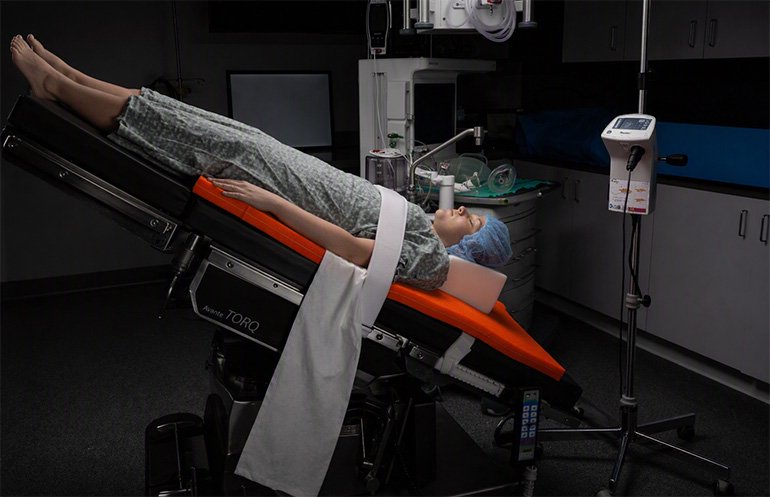
During many robotic procedures, patients are placed in a head-down tilt known as steep Trendelenburg positioning. This gives surgeons better access to the pelvis and lower abdomen but introduces serious risks over time. Gravity pulls tissue downward, increasing pressure on the back and tailbone, raising the chance of nerve damage and skin injuries.
At the same time, patients in this position lose body heat rapidly. Hypothermia during surgery can lead to complications such as delayed wound healing, increased risk of infection, and longer hospital stays.
Traditionally, warming and positioning have been handled by two separate devices. Forced-air warming blankets are placed over the patient, while a positioning pad goes underneath. But in robotic surgery, the large equipment stacked beneath the operating table takes up the very space those warming blankets need. Clinicians are often left choosing between safe positioning and effective warming — not both.
The new system integrates active warming directly into a pressure-redistributing underbody pad, eliminating the need for separate devices and freeing up space around the table.
## Designed for the Realities of the Operating Room
The system was built to fit seamlessly into existing surgical workflows. It runs on standard hospital electrical outlets, meaning no special power installations are required. Safety sensors embedded in the pad do not need direct skin contact to function, and the device has been tested on patients up to 297 pounds (approximately 135 kilograms).
Compatibility with surgical tools was a top priority. The system meets all relevant industry standards and regulatory guidance, including clearance from the U.S. Food and Drug Administration. It has been verified to work safely alongside electrocautery, defibrillation equipment, RFID devices, and wireless communication technologies commonly found in modern operating rooms.
Usability testing played a key role in development. Nurses, anesthesiologists, and other surgical staff provided input through focus groups and hands-on trials to ensure the system could be operated within routine workflows without adding complexity.
## From Niche Application to Broader Potential
The device was initially designed for minimally invasive and robotic procedures in gynecological, urological, and general surgery, where tilting the operating table is common. However, its combination of warming and positioning support makes it useful in a wider range of settings, including orthopedic, cardiovascular, colorectal, and plastic surgery cases where maintaining normal body temperature can be difficult.
While the system represents an added investment, the makers argue the cost is offset by the potential to avoid expensive downstream complications. Reducing the risk of hypothermia and unintended patient movement could translate into shorter stays, fewer additional treatments, and better overall outcomes.
## Frequently Asked Questions
**Why is patient warming such a big deal in robotic surgery?**
Robot-assisted procedures often require patients to remain in tilted positions for extended periods. In these positions, the body loses heat faster than usual, and the surgical equipment itself can block the space where traditional warming devices would normally go.
**What makes this system different from older warming and positioning methods?**
Earlier approaches treated warming and positioning as two separate tasks handled by two separate devices. This new design combines both functions into a single pad, removing the space conflict that often forced clinicians to prioritize one over the other.
**Has the device been tested on a wide range of patients?**
The system is intended for adult patients and has been validated for individuals up to approximately 297 pounds. The warming zone is large enough to allow flexible positioning so every patient can receive effective heat.
**Does the system interfere with other surgical equipment?**
Extensive testing has confirmed compatibility with electrocautery, defibrillators, RFID devices, and wireless technologies. However, as with any medical device used alongside third-party equipment, there is always a small residual risk, and the manufacturer cannot guarantee the behavior of external devices not designed to the same standards.
**How do clinicians feel about using the system day to day?**
Feedback has been positive. Because the device was developed with direct input from operating room staff and validated through extensive usability studies, it is designed to slide into existing workflows without adding steps or complexity.
## Conclusion
Borrowing thermal engineering knowledge from the automotive world, this innovation shows how cross-industry thinking can address long-standing operating room challenges. By combining patient warming and secure positioning into one compact, easy-to-use system, it offers a practical way to improve safety during robotic procedures — and potentially across many other types of surgery as well.
Thank you for reading