



# Proposed Changes to Federal Workplace Discrimination Process Draw Heavy Opposition
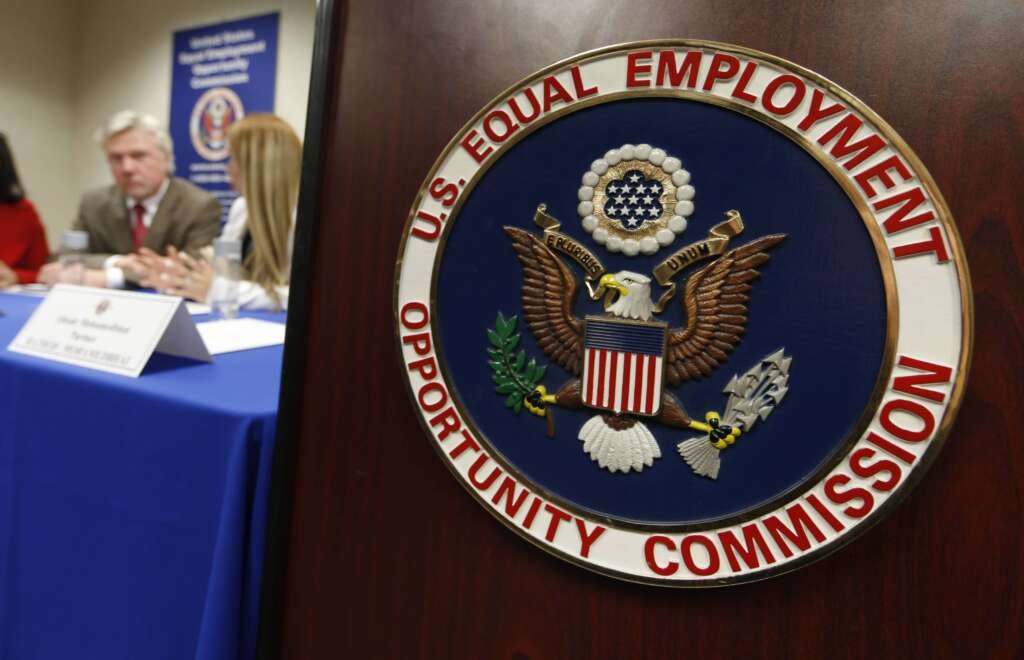
The federal agency responsible for enforcing workplace civil rights in the government sector has ignited a firestorm of controversy with a sweeping proposal that would fundamentally alter how federal employees pursue discrimination complaints. The plan, approved by the agency’s Republican-controlled leadership, has drawn sharp criticism from lawmakers, civil rights advocates, labor unions, and former agency officials who argue the changes would leave workers vulnerable and undermine decades of established protections.
## What the Proposal Would Change
At the heart of the controversy is an effort to streamline what supporters call a slow and cumbersome process for handling federal workplace discrimination claims. Under the proposed rule, several foundational elements of the current system would be eliminated or significantly weakened. Federal employees filing complaints would no longer be guaranteed the right to an administrative hearing before an impartial judge. The ability to consolidate similar discrimination cases into class-style complaints would be removed. Additionally, an initial counseling stage that currently serves as a first step for workers before formal complaints are filed would be eliminated.
Agency leaders have framed the changes as necessary to reduce delays and improve efficiency. They point to data indicating that workers who ultimately prevail in discrimination cases wait an average of over two and a half years between requesting a hearing and receiving a resolution.
## Broad Coalition of Critics Emerges
A bipartisan wave of opposition has formed against the proposal. A group of 75 congressional Democrats wrote to the agency’s chair urging her to pull back the rule entirely, warning that speed should not come at the cost of worker protections. The letter emphasized that the federal government has a responsibility to serve as a model employer, and that its internal civil rights processes should reflect that standard.
An advocacy coalition composed of former agency commissioners issued a strong rebuke, arguing that the proposal takes a fundamentally flawed approach to reform. Critics have warned that under the new system, federal employees would essentially be required to seek justice from the same agencies where the alleged discrimination occurred, with little chance of an outside, independent review. The coalition argued this effectively shifts the burden of adjudication from an administrative process to the federal court system, bypassing the specialized framework designed to protect workers.
A coalition of legal and civil rights organizations, led by a prominent women’s rights group, called for the rule to be scrapped altogether. They contended that the changes would make it significantly harder for federal employees to challenge discrimination, potentially allowing biased practices to persist unchecked — disproportionately affecting women, people of color, and other historically marginalized groups within the government workforce.
A major federal employees’ union has been equally vocal, filing both public objections and a separate lawsuit against the agency. The union argues that removing core components of the complaint process contradicts the statutory intent behind workplace equality laws. Union representatives have also raised procedural concerns, saying the 30-day public comment period was far too short for such a complex and far-reaching rule that touches every aspect of the federal equal employment opportunity framework.
The agency’s sole Democratic commissioner on the five-person panel has also criticized the plan, saying it would create an uneven playing field and severely limit workers’ ability to challenge systemic workplace discrimination.
## What Comes Next
The agency closed its public comment window after receiving more than 1,700 submissions from concerned stakeholders. While the agency has not yet announced its next steps, the volume and intensity of opposition suggest that significant legal and political hurdles await if the rule moves forward.
The debate raises broader questions about the balance between administrative efficiency and the fundamental rights of government workers. As stakeholders continue to organize and prepare for potential legal action, the future of federal workplace discrimination protections hangs in the balance.
—
## Frequently Asked Questions (FAQ)
**Q: What is the federal sector equal employment opportunity process?**
A: It is the system through which federal government employees can file and pursue complaints about workplace discrimination. It includes steps like counseling, formal complaints, investigations, hearings before impartial judges, and agency reviews.
**Q: Why is the agency proposing these changes?**
A: Leadership argues that the current system is too slow and inefficient, and that streamlining the process would help workers receive faster resolutions. They cite data showing long wait times between hearing requests and final outcomes.
**Q: What specific protections would be removed under the proposed rule?**
A: Key changes include eliminating the guaranteed right to an administrative hearing, removing the ability to file class-style group complaints, and cutting the initial pre-complaint counseling phase.
**Q: Who is opposing the rule?**
A: The opposition includes Democratic members of Congress, former agency commissioners, civil rights organizations, legal advocacy groups, federal employee unions, and the agency’s own Democratic commissioner.
**Q: Has the agency responded to the criticism?**
A: The agency has not issued a formal public response to the criticisms as of the latest reporting, though it did receive over 1,700 comments during the public feedback period.
**Q: What legal actions have been taken against the agency related to these changes?**
A: The federal employees’ union has filed a lawsuit against the agency, separately alleging that a prior blanket suspension of federal sector class action complaints was unlawful. Additional litigation over the new proposed rule is anticipated.
**Q: Could the rule be stopped?**
A: There are several avenues that could block or delay the rule, including legal challenges, congressional action, or public pressure during implementation stages. However, the outcome remains uncertain.
—
## Conclusion
The proposed overhaul of the federal workplace discrimination process represents one of the most significant challenges to government worker protections in recent years. While the push for efficiency in government operations is a legitimate goal, the breadth of opposition — spanning political parties, former agency leaders, civil rights organizations, and unions — suggests that the proposed changes risk undermining the very fairness and impartiality that the system was designed to uphold. As the debate continues, all eyes will be on how the agency responds to the flood of public feedback and whether it will reconsider the path it has set. The stakes are high: the rights and recourse available to millions of federal employees depend on the outcome.
Thank you for reading
