



In brief
- Over the past year, monthly sales of tokenized Pokémon cards have soared dramatically, driven by a surge of speculative interest in trading cards.
- The boom is primarily fueled by gacha machines, which replicate the thrill of opening physical card packs while skirting close to gambling territory.
- To address doubts and fears of “rug pulls,” Collector Crypt relies on a 28,000-square-foot warehouse in Montana to safeguard its physical inventory.
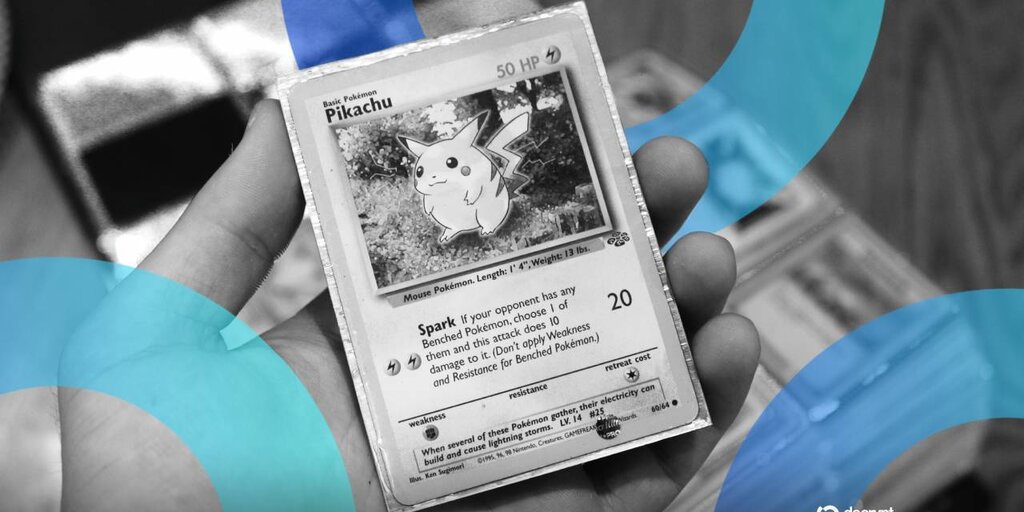
Deep in Montana, a collection of Pokémon cards sits secured behind locked doors, serving as the foundation for a multi-million-dollar cryptocurrency marketplace housed within a 28,000-square-foot vault.
CEO Tuom Holmberg explained to Decrypt that since Collector Crypt launched 18 months ago, the company’s vaulting operation has become central to its brand identity, especially as a growing wave of competitors have entered the space offering tokenized versions of the iconic trading cards.
“Among the roughly 30 other vibe-coded platforms that popped up after us, probably about half store their inventory in their closets,” he remarked, pointing to a slew of new companies that have emerged to capitalize on soaring demand for fan-favorite names like Pikachu, Charizard, and Gengar.
The worldwide trading card market reached $15.8 billion in 2024 and is projected to climb to $23.5 billion by 2030, according to estimates from research firm Strategic Market Research released last year. As of Friday, the total market capitalization for NFTs stood at $2.4 billion, per data from NFT Price Floor.
NFTs generated billions during the pandemic-era crypto frenzy, and while enthusiasm for digital art and profile-picture projects has since faded, the underlying technology has resurfaced as a critical infrastructure layer fueling the speculative frenzy now surrounding trading cards.
Despite the operational advantages, the technology still draws skepticism, Holmberg acknowledged.
“The toughest obstacle we face is walking into a card show,” he said. “You tell people, ‘Hey, we’re the ones behind all those tokenized cards on Solana,’ and 90% of them will respond, ‘That’s a fraud. That’s a scam. That’s a rug-pull.'”
Still, the company’s marketing strategy has leaned into the same speculative energy that helped influencer and wrestler Logan Paul rake in $16.5 million for a rare Pokémon card at auction back in February.
A recent video posted by Solana’s official X account spotlighted the platform’s gacha machine with the question, “Would you spin for a $15,000 Pokémon card?”—a system that Holmberg said mirrors the traditional pack-opening experience by dispensing random, card-backed NFTs.
The gacha gold rush
Dominic Jang, co-founder and CSO of Deadstock—another platform offering tokenized Pokémon cards—told Decrypt that digital packs and gacha machines appeal to both speculators and collectors, who are drawn to either “the adrenaline rush and a quick flip” or the card itself.
“What’s truly novel is that every pull now comes with instant liquidity,” he said. “Gacha and mystery packs appear to be a marketing tactic, […] but they’ve quietly evolved into the main entry point.”
Courtyard, another platform specializing in NFTs backed by physical collectibles, announced this month that it has extended the format to vintage U.S. coins. The platform also offers digital packs for other card categories, along with digital twins of luxury watches and comic books.
According to data from research firm Messari, the top seven platforms for tokenized Pokémon cards generated
$230 million in sales via gacha games in May. That marked an increase from $32 million a year ago, when Collector Crypt and Courtyard were the main players.
Pseudonymous Messari analyst AvgJoesCrypto told Decrypt that the tenfold jump comes down to friction. While eBay buyers face counterfeit risks despite refund policies, platforms like Collector Crypt streamline ownership by enabling asset exposure in just a few clicks.
“We’re beginning to witness the snowball momentum of something that has truly found product-market fit,” he remarked. “Blockchain infrastructure is simply a superior channel for exchanging these assets once they’re tokenized.”
Naturally, sales figures account for users who repeatedly try their luck. Collector Crypt provides immediate buybacks at a 10% to 15% markdown from prevailing market rates. Last month, the company disclosed it had processed $1 billion in cumulative sales across its 18-month lifespan.
“That’s entirely [our] gacha machine,” Holmberg explained, noting it powers 90% to 95% of their operations.
While conceding that the service flirts with gambling territory, he characterized it as a gamified shopping experience propelled by the machine’s “positive expected value,” where users wagering $50 typically receive $55 back on average. He continued, “You should be able to walk in, crack open five to ten packs, land a card you actually want to hold onto, and essentially pay fair market value.”
Collector Crypt has undertaken additional measures to foster a positive consumer experience beyond its own ecosystem. Regarding the protection of Pokémon cards in Montana, Holmberg noted that certain competitors have leveraged the company’s facility for both liquidity and credibility.
“They’re connecting directly to our trading card liquidity pool housed in our vault,” Holmberg stated. “If mainstream audiences genuinely embrace this model, […] you can imagine that if one of these platforms pulls a rug pull, Reddit will be flooded with posts all day long.”
Daily Debrief Newsletter
Kick off each morning with the most important news stories of the moment, alongside exclusive features, a podcast, videos and much more.
