



**Federal Workforce Performance Management Overhaul: A New Era of Accountability**
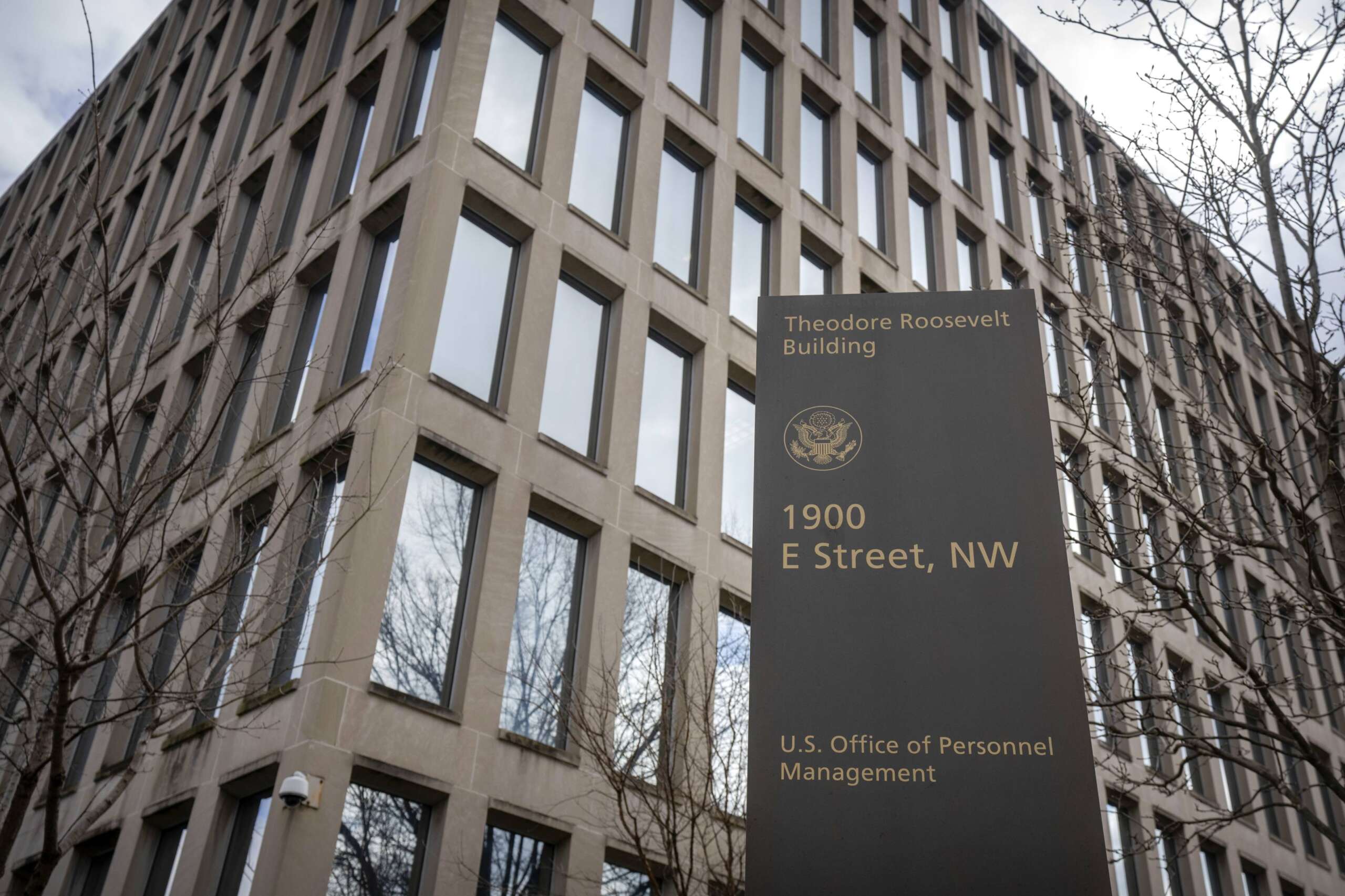
The federal government’s approach to evaluating employee performance has undergone a significant transformation. A recent final rule from the Office of Personnel Management (OPM) has dismantled previous restrictions, introducing a system designed to promote accountability and merit-based evaluations.
The most notable change is the removal of a ban on forced distribution. Agencies will now be limited in the proportion of employees who can receive top performance ratings. By the 2027 compliance deadline, a larger share of the workforce will fall into mid-to-lower performance tiers, addressing what OPM identifies as systemic rating inflation.
This overhaul represents the most significant update to the federal performance management system in decades. The new regulations also eliminate an entire performance level and remove the option for employees to contest ratings through grievance procedures. Furthermore, agencies are no longer required to review “unatisfactory” ratings, and supervisors will be evaluated on their ability to foster a culture of accountability.
OPM justified these changes by pointing to evidence of widespread rating inflation, which they argue has eroded the credibility of the civil service system. Critics, however, contend that the forced distribution model will create unhealthy competition and diminish morale.
The new rules are part of a broader effort to refine the federal workforce evaluation process, ensuring that performance assessments are both competitive and credible.
*Source: Federal News Network – “An overhaul to the federal workforce’s performance management system is now set in stone, following a final rule the Office of Personnel Management released this week.”*
