



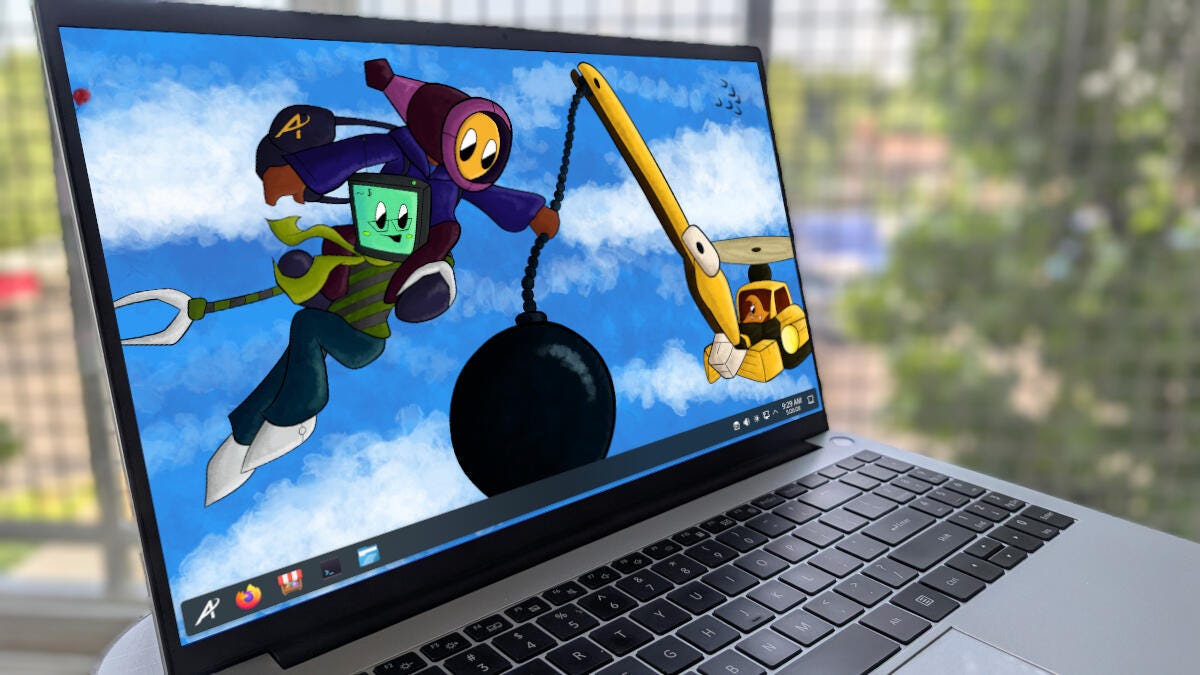
Key points from ZDNET
- Aurora Linux is a fixed, unchangeable Linux distribution accessible to everyone.
- This version comes equipped with GPU drivers, practical default settings, and robust security features.
- You can install Aurora for free.
There are many reasons to consider using an unchangeable Linux distribution. Such systems are highly secure since certain critical folders are set to read-only mode, preventing any changes from being made, which significantly enhances security.
While this might seem difficult to handle, you may be pleased to find that these types of distributions are still simple to operate. You can continue installing and running any applications you need (using Flatpak), and these applications function smoothly without impacting performance or stability.
Also: 6 Linux distributions most similar to Windows because old habits are hard to break
For instance, Aurora is an unchangeable Linux distribution built on Fedora Silverblue featuring the KDE Plasma desktop. Wait—doesn’t that resemble Fedora Kinoite? Those unfamiliar with Kinoite should know it is essentially the KDE Plasma version of Fedora Silverblue, which may cause confusion initially. Still, Aurora isn’t the same as Kinoite, differing in several key aspects.
Aurora compared to Kinoite
Initially, Aurora includes essential GPU drivers compatible with various graphics cards and processors, covering AMD and Nvidia GPU models. This wider compatibility also includes support for gaming controllers and printer drivers, so it’s likely your hardware will work seamlessly with this operating system.
Following that, there’s the consolidated app marketplace, Bazaar, designed for developers to publish their software while users can easily find and install those programs. Through Bazaar, you can filter choices by selecting free software only, Flathub options only, verified listings only, or hiding end-of-life applications.
Setting up Bazaar is straightforward in Aurora.
Jack Wallen/ZDNET
Aurora also offers convenient default configurations. What does this entail? After installation, Aurora prioritizes immediate user-friendliness, entertainment, and productivity. Unlike some alternatives, you won’t need to modify or personalize settings beforehand—Aurora helps you get right to work and play. Although additional software may be needed (such as LibreOffice, Steam, Slack, or Spotify), the initial experience is remarkably simple.
With a curated selection of applications and optimized default settings, Aurora supports regular use and combines ease, enjoyment, and efficiency. It supports your workflow and adapts to your needs.
Also: My top 10 Linux distributions of all time, ranked
Simultaneously, Aurora shares similarities with Kinoite, being unchangeable and using atomic updates—meaning failed updates automatically revert to the previous state, ensuring your system remains intact during software upgrades.
Naturally, having built-in GPU drivers lets you operate local AI tools (like Ollama) with dependable performance.
Why Aurora is a great choice?
Beyond automated GPU configuration and intuitive defaults, Aurora is particularly ideal for Linux newcomers due to its KDE Plasma desktop environment, packed with appealing features for developers (including Distrobox), yet remains fully accessible for regular users.
Also: The 6 top Linux distributions for students – from elementary through college
Perhaps Aurora Linux’s strongest feature is its hands-on simplicity—after setting up, you can begin using it instantly. While other distributors do this too, when paired with unchangeability and atomic upgrades, Aurora stands out significantly.
Security is another priority for everyone. With increasing Linux kernel vulnerabilities, the enhanced protection offered by distributions like Aurora makes it highly recommended for beginners. With these safeguards already in place, Aurora doesn’t require manual security adjustments. Moreover, unlike most Linux systems, its firewall is activated by default, providing extra protection during today’s cybersecurity climate.
Ways Aurora could improve further?
A few minor criticisms regarding this Linux distribution:
- Preinstalled office applications
- Included Steam gaming software
- Operating system upgrades integrated into the app store interface
- A visual boot manager
- Default light theme (since most users prefer light themes)
Overall, Aurora is an excellent Linux distribution offering a smooth, beginner-friendly experience.
Also: Unchangeable Linux provides strong security – here are the 5 best choices
If Aurora Linux intrigues you, download an ISO matching your hardware, create a live USB, boot it up, test its features, and install the system to get started.
