



**Federal Labor Relations in the Crosshairs: The Trump Administration’s Telework Policy Battles**
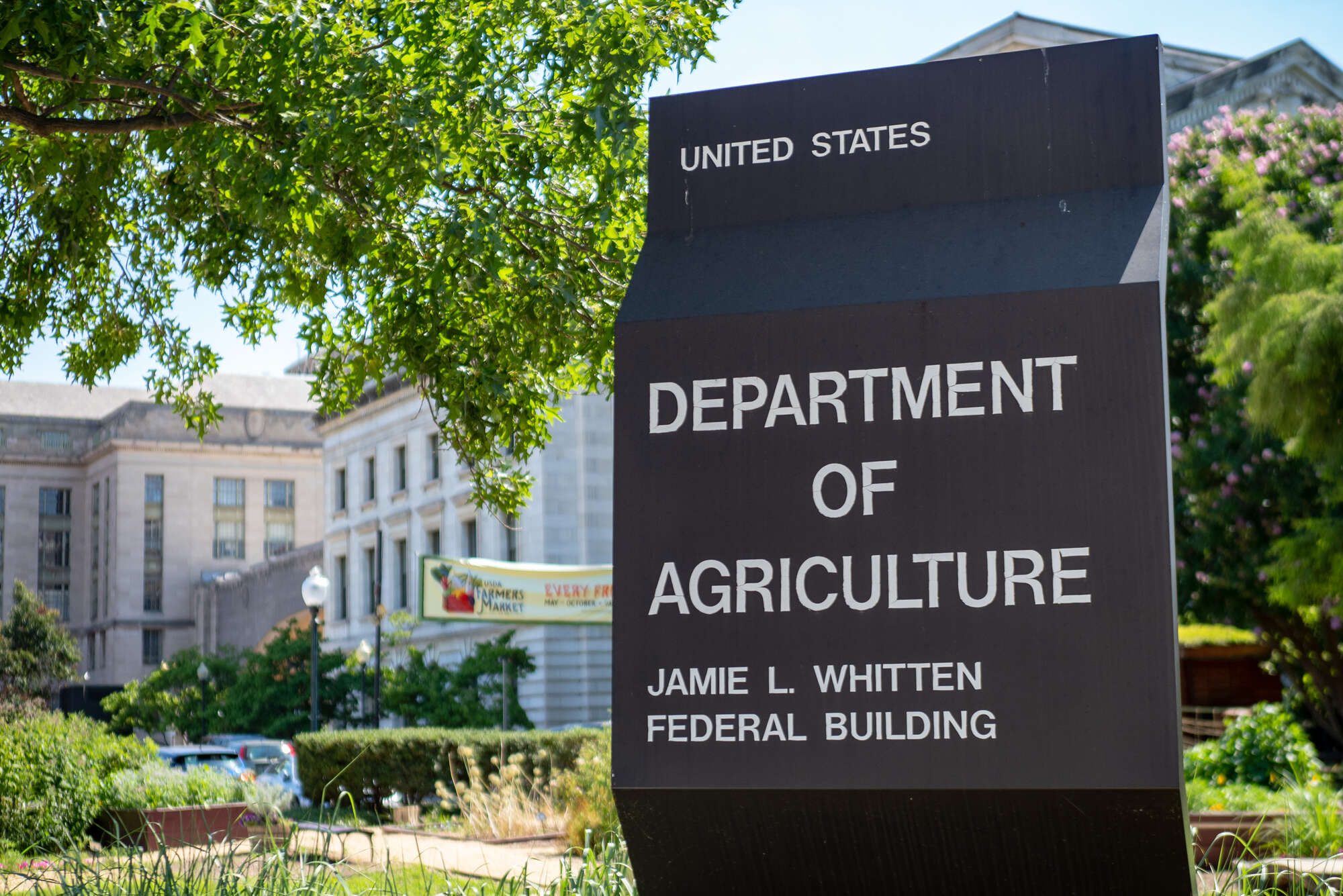
The Trump administration’s tumultuous relationship with federal labor unions has reached a fever pitch, marked by a relentless series of legal defeats over its handling of telework and return-to-office mandates. A recent arbitrator ruling against the Department of Agriculture (USDA) underscores a troubling pattern: a federal agency violating its own collective bargaining agreements. This latest loss adds to a growing list of setbacks for the administration as it attempts to overhaul remote work policies for unionized federal employees.
At the heart of the USDA case is a stark finding by arbitrator Margaret Donaghy. She determined that the agency “committed unfair labor practices (ULPs) when it engaged in bad faith bargaining and implemented a rule that conflicted with the existing agreement.” The ruling, handed down in mid-August, condemned the agency for unilaterally changing telework and remote work agreements for 135 employees, 46 of whom had remote work stipulated as a condition of their employment. The arbitrator’s language was severe, characterizing the USDA’s actions as a “repudiation” of the collective bargaining contract.
This decision is not an isolated incident. According to Suzanne Summerlin, the attorney representing the American Federation of State, County and Municipal Employees (AFSCME), this is at least the 12th grievance the Trump administration has lost over the past year. Arbitrators have ruled in favor of grievances filed by a wide array of federal agencies, including the Internal Revenue Service (IRS), the Department of Health and Human Services, the Department of Housing and Urban Development, the Social Security Administration, the Environmental Protection Agency (EPA), and the Forest Service.
The administration has found some success, winning in about three other cases. One notable victory came in a case involving the Federal Motor Carrier Safety Administration (FMCSA), part of the Department of Transportation. However, that win was attributed to a procedural technicality rather than a validation of the policy’s merits, highlighting the complex legal battles playing out across the federal government.
The USDA case provides a clear window into the administration’s broader strategy. The return-to-office requirements were a direct implementation of President Donald Trump’s day-one executive order, which instructed all agencies to cancel telework and remote work agreements “consistent with applicable law.” The arbitrator in the USDA case noted that the agency’s justifications were not only unconvincing but had already been rejected in other, similar cases.
A significant consequence of the USDA’s violation was financial. The arbitrator mandated that the agency must not only restore the telework agreements that were in effect in late April 2025 but also reimburse employees for costs incurred over the preceding 18 months. This reimbursement obligation stems from the agency’s failure to cover expenses like tolls and other transportation costs as stipulated in the existing contract.
The ongoing litigation has placed federal agencies in a precarious position. They are caught between a presidential directive and established labor laws, with unions successfully arguing that the process was rushed and disrespectful of established agreements. The sheer volume of losses suggests a systemic issue in the administration’s approach to federal labor relations, one that prioritizes a top-down mandate over collaborative negotiation.
***
### FAQ
**Q: What was the USDA found guilty of in the recent telework case?**
A: The USDA was found to have committed unfair labor practices (ULPs). An arbitrator ruled that the agency engaged in bad-faith bargaining and violated its collective bargaining agreement by unilaterally ending telework arrangements for Rural Development Agency employees without first negotiating the terms.
**Q: How many grievances has the Trump administration lost concerning telework policies?**
A: According to the article, this USDA ruling was at least the 12th grievance the Trump administration has lost over the last year regarding telework and return-to-office policies.
**Q: What executive order prompted the return-to-office mandates?**
A: The policies stemmed from President Donald Trump’s day-one executive order, which instructed all federal agencies to cancel telework and remote work agreements “consistent with applicable law.”
**Q: What must the USDA do as a result of the arbitrator’s decision?**
A: The USDA is required to restore the telework and remote work agreements that were in effect as of April 22 and April 28, 2025. The agency must also begin negotiations to modify the collective bargaining agreement regarding return-to-office and telework requirements. Furthermore, the USDA must reimburse employees for costs they incurred over the past 18 months due to the unlawful policy.
**Q: Why did the case against the Federal Motor Carrier Safety Administration (FMCSA) end differently?**
A: The FMCSA case was dismissed by the arbitrator on a procedural technicality. The dismissal was due to a conflict between a previously filed Unfair Labor Practice (ULP) and a subsequent grievance, which prevented the case’s merits regarding the telework policy from being fully reviewed.
***
### Conclusion
The series of legal defeats faced by the Trump administration in federal labor grievance cases reveals a profound misalignment between its aggressive push to eliminate telework and the established legal framework governing federal employment. By repeatedly bypassing negotiation processes and disregarding existing contracts, agencies like the USDA have not only lost in arbitration but have also incurred significant financial liabilities for taxpayers and employees. These rulings serve as a powerful check on executive overreach in federal personnel policy, emphasizing that even a presidential directive must navigate the complex and protective landscape of federal labor law. The outcomes suggest that the administration’s approach has been more about exerting control than achieving efficient policy, ultimately creating more legal turmoil and financial waste than the savings its policies were intended to generate.
