



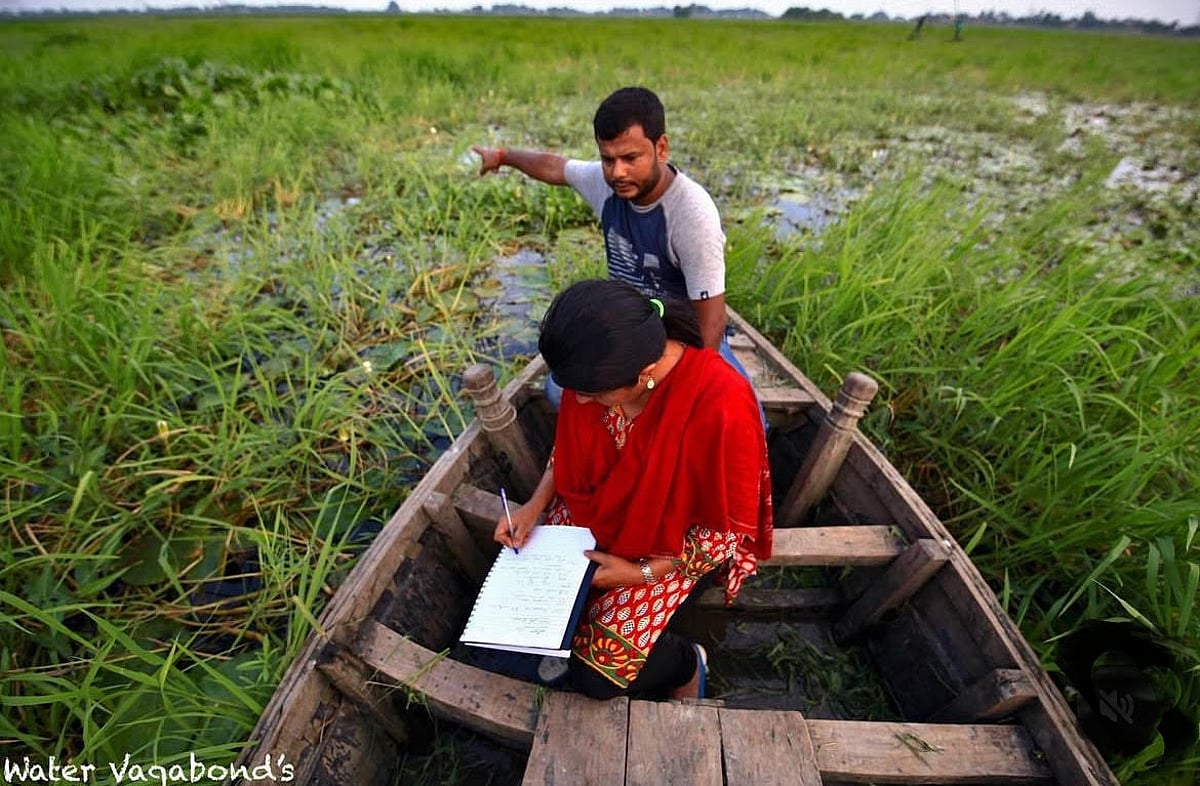
This year also taught me that while government dashboards may boast of progress, the ground reality often tells a “cruel truth.” In Tripura, where official data shows over 86 per cent functional tap water coverage, I found tribal women still trekking through steep terrain to fetch water from mountain springs because the taps back home were never connected to a pipeline, or discharge contaminated water.
My experiences only reinforced what I always believed. Environmental journalism cannot be outsourced to algorithms or government press releases. Content creation cannot replace ground-up reporting. As journalists, we must travel to these far-flung edges not just to verify facts, but to ensure that the most vulnerable aren’t erased by a digital percentage point.
In an age of quick dissemination of misinformation and disinformation through social media and WhatsApp channels, media platforms need to invest in and scale up grassroots reporting because large chunks of facts never get recorded and reported.
AI models keep echoing and regurgitating information based on limited data points on which they are trained. Newsrooms today heavily depend on AI to curate content and dish out stories at breakneck speed that do not require any human intervention.
I am no Luddite, nor am I “anti-AI.” In fact, I am currently immersed in a 10-week programme by Google News Initiative AI Skills Academy to better understand how these tools can strengthen journalism, not substitute it. I now see the immense potential for AI to act as a force multiplier in the newsroom—helping us parse massive datasets on electoral results, air quality, deforestation patterns via satellite imagery, or automate the mundane tasks that eat away at a reporter’s time.
When used ethically, AI can help us see the big picture of the climate crisis more clearly than ever before. However, a lens is not the eye, and a data point is not the truth. And, AI must never—and can never—replace ground reporting.
If we allow algorithms to become our primary narrators, we run the risk of erasing the lives of millions. An AI model trained on mainstream datasets will never see the Adivasi woman in a remote forest of Kalahandi, or the jhum farmer practising shifting cultivation in Tripura, just because their lived experiences aren’t digitised.
