



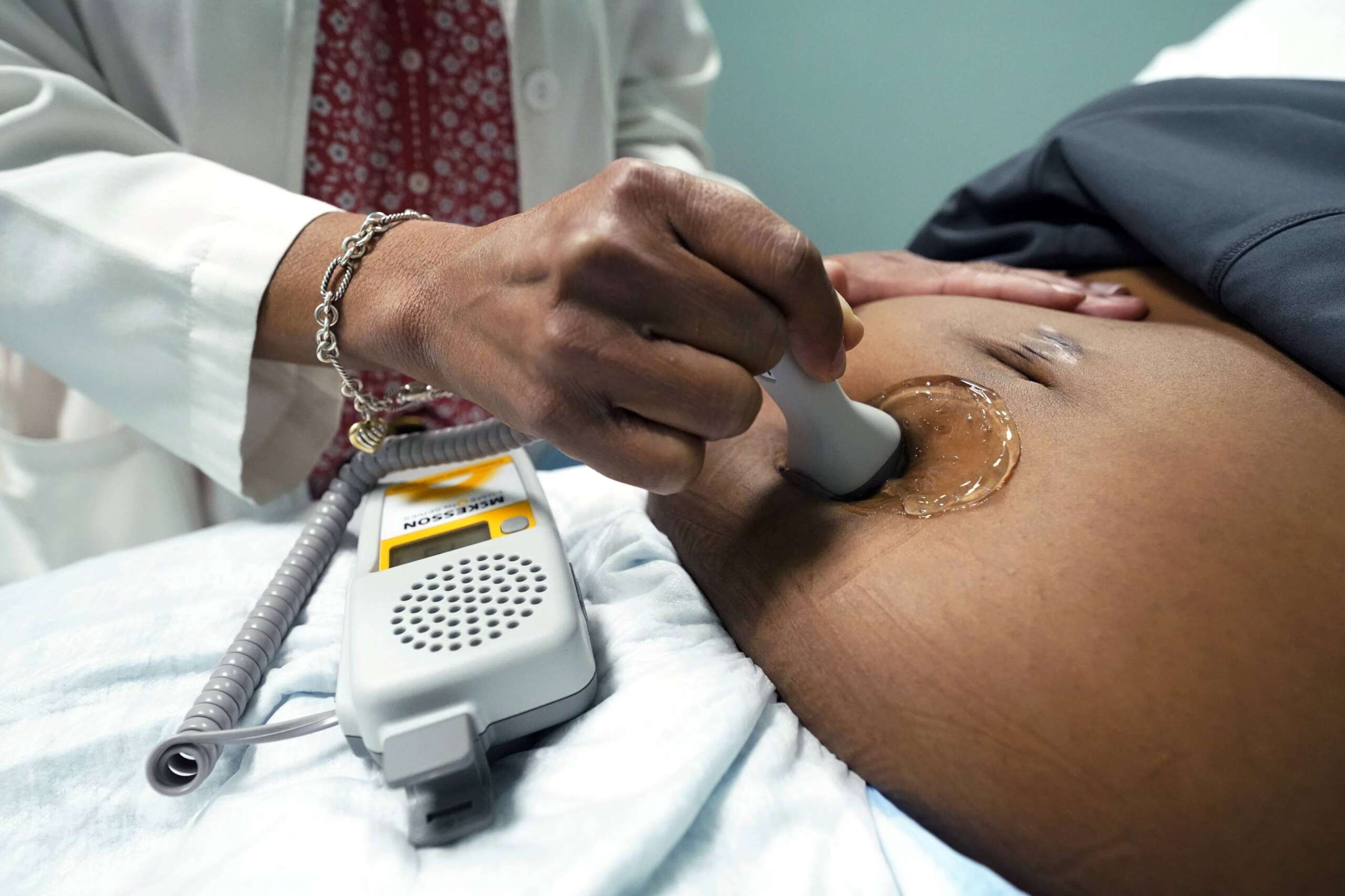
**Understanding Medicaid Maternal Care: The Critical Issue with Provider Network Accuracy**
In a recent investigation by the Department of Health and Human Services Office of the Inspector General, significant concerns have been raised about the accuracy of provider information within Medicaid managed care networks, particularly regarding maternal health services. The findings highlight a troubling gap between the paperwork compliance and actual patient care, raising serious questions about the integrity of the system that over 40% of U.S. births rely upon.
**The Scope of the Problem**
The investigation revealed alarming statistics about provider network accuracy. According to Laura Kordish from the Office of the Inspector General, one in four provider organizations listed on state Medicaid managed care plans were not actually in network—what investigators call “ghost providers.” This means that nearly a quarter of the providers appearing on official lists were unavailable for patient appointments.
Beyond the ghost providers, the study found that another 26% of listed providers lacked accurate phone numbers or other contact information. When combined with other discrepancies between listed and actual providers, the overall accuracy rate of Medicaid managed care network lists was found to be severely compromised.
**The Real-World Impact**
These aren’t just administrative discrepancies—they represent real barriers to healthcare. Pregnant women relying on Medicaid need timely access to maternal care providers for everything from routine checkups to emergency interventions. When provider directories don’t accurately reflect reality, the consequences can be dire:
– **Delayed Care**: Women unable to find available providers may miss critical prenatal appointments
– **Increased Risk**: Poor maternal health outcomes are already a national crisis; inaccurate directories exacerbate the problem
– **Wasted Resources**: Both patients and state oversight agencies waste time chasing providers who aren’t actually available
– **Frustration and Distrust**: Patients experience the system as broken, potentially avoiding care altogether
**How the System is Supposed to Work**
Medicaid managed care plans are required to submit provider network lists to states for oversight. States compare these lists against their own network adequacy standards, which typically specify minimum numbers of providers per 1,000 enrollees or maximum distances between providers and patients.
The problem occurs at multiple levels:
1. **State Oversight**: States use these lists to verify compliance with network adequacy requirements
2. **Patient Navigation**: Patients use directories to find and contact providers
3. **Quality Assurance**: Both processes break down when the underlying data is inaccurate
**Recommendations for Improvement**
The Inspector General’s office made several recommendations, with the most critical being:
1. **Hold Plans Accountable**: States should establish clear accuracy standards for provider information and enforce them through contracts and penalties
2. **Streamline Data**: Use a single, unified provider list for both oversight and patient directories rather than maintaining separate lists that often don’t match
3. **Enhanced Oversight**: CMS should strengthen accountability measures to ensure states are effectively monitoring network accuracy
**FAQ: Understanding Medicaid Provider Network Issues**
**Q: What are “ghost providers” in the Medicaid system?**
A: Ghost providers are healthcare organizations or professionals who appear on Medicaid managed care plan network lists but are actually unavailable to patients. They may have never been in network, have left the network, or have other restrictions that prevent them from providing care to plan enrollees.
**Q: Why do inaccurate provider lists matter for maternal care specifically?**
A: Pregnancy and postpartum care require timely, consistent access to healthcare providers. Delays in finding available OB/GYNs, midwives, or other maternal health specialists can lead to poor outcomes for both mother and baby, particularly in high-risk pregnancies.
**Q: How common are these inaccuracies?**
A: The investigation found that 25% of listed providers were not actually in network, and an additional 26% lacked accurate contact information—meaning nearly half of all provider listings have significant accuracy problems.
**Q: Who is responsible for ensuring provider directory accuracy?**
A: Both states and managed care plans share responsibility. States must oversee network adequacy, while plans must submit accurate provider lists. However, the burden ultimately falls on patients who must navigate these imperfect systems.
**Q: What can be done to fix this problem?**
A: The Inspector General recommends strengthening state oversight requirements, using unified provider lists, implementing better enforcement mechanisms, and improving accountability measures—particularly through CMS guidance to states.
**Conclusion**
The accuracy of Medicaid provider networks isn’t just an administrative detail—it’s a fundamental component of healthcare access and quality. When nearly half of all listed providers are inaccurate or unavailable, the entire system’s ability to serve vulnerable populations is compromised. For pregnant women and new mothers already facing significant health challenges, these discrepancies can mean the difference between receiving timely care and experiencing adverse outcomes.
The investigation by the HHS Office of the Inspector General shines a light on systemic issues that require immediate attention from both state Medicaid agencies and managed care organizations. As the U.S. continues to grapple with maternal health crises, ensuring that provider directories reflect reality must be a priority. Only then can Medicaid fulfill its promise of providing accessible, quality healthcare to millions of American mothers and their children.
