



# EPA Proposal Could Strip Public Oversight of AI Data Center Permits Across the U.S.
**A new federal rule under consideration by the Environmental Protection Agency would remove a longstanding requirement that states seek public input before granting air pollution permits for industrial facilities — including the rapidly growing number of AI data centers that have ignited fierce community opposition nationwide.**
The proposal, which could be finalized as early as next year, would no longer require states to notify residents or hold public comment periods as a prerequisite for issuing permits to data centers, power plants, and other pollution sources. While states would still have the option to solicit public feedback, the federal government would cease enforcing that practice as a condition for permit approval.
## The Backdrop: A Nation Divided Over Data Centers
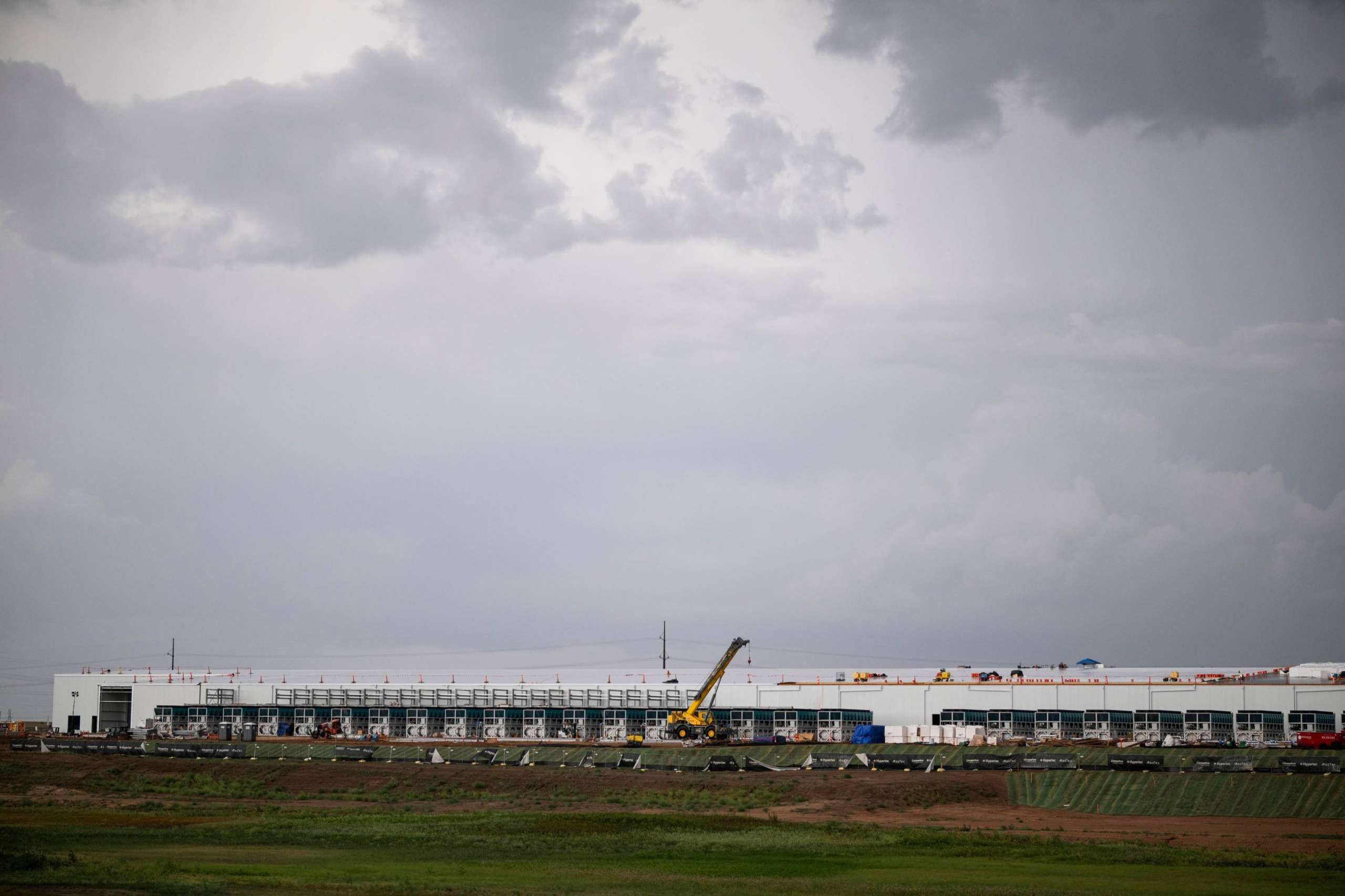
The timing of the proposal has drawn sharp criticism from environmental advocates, who argue that the surge in AI-driven data center construction has created an urgent need for transparent, community-driven decision-making. Tech giants are racing to build hundreds of massive server facilities to power artificial intelligence and cloud computing infrastructure, and many of these projects have faced fierce resistance from residents worried about air quality, water consumption, noise, and property values.
“This proposal continues efforts to turn its back on the fundamental principle of transparency that has long guided the agency,” said Mike Koerber, a former deputy director of the EPA’s air quality office. He warned that the rule would create an uneven regulatory landscape where some communities are fully informed about nearby industrial projects while others remain completely unaware.
## What the EPA Says
An EPA spokesperson defended the plan, stating that it would allow states greater flexibility in determining how their permitting processes operate for “minor sources” of air pollution. The spokesperson emphasized that the proposal does not weaken federal emission standards or reduce environmental protections, but rather “aligns the national program with the Clean Air Act language to ensure that states are in the lead regarding their programs.”
EPA Administrator Lee Zeldin, who has prioritized positioning the United States as a leader in AI technology, framed the proposal as an effort to cut unnecessary bureaucratic hurdles, unleash domestic energy production, and promote cooperative federalism between state and federal governments.
The EPA’s stance is notable given the broader political landscape. President Trump has publicly championed data centers as essential to competing with China in artificial intelligence, even suggesting that communities without such facilities risk being left behind economically.
## Community Concerns and Environmental Justice
Critics point to a troubling gap in the current system: many states, particularly in the South and Midwest, already lack robust public notice requirements for land-use and environmental decisions. Federal regulations currently serve as a safety net for those communities, ensuring a baseline of transparency. Removing that requirement, opponents argue, would effectively allow polluting facilities to operate in obscurity.
“Data centers and other industrial sources should not be able to get their air pollution permits in secret,” said Keri Powell, a senior attorney with the Southern Environmental Law Center. She leads a coalition of nearly 200 environmental, health, and community organizations that have formally opposed the EPA’s plan. “Communities deserve a chance to weigh in before potentially harmful projects are rubber-stamped.”
Powell’s focus on six Southern states — stretching from Virginia to Alabama — reflects a regional reality where data center construction is accelerating rapidly. Virginia and Georgia rank among the states with the highest concentration of both existing and proposed facilities, making the question of public oversight especially pressing for residents in those areas.
## What Americans Think
Public opinion data underscores the depth of concern. According to a recent national poll conducted by The Associated Press-NORC Center for Public Affairs Research and the University of Chicago’s Energy Policy Institute, roughly 4 in 10 American adults describe themselves as “extremely” or “very” worried about the environmental consequences of artificial intelligence. The same survey found that Americans are more inclined to believe AI will cause harm than benefit the environment, the economy, and society over the next decade.
Residents’ anxieties extend beyond pollution alone. Many fear that the influx of data centers could drive up energy costs for households, strain local water supplies, generate disruptive noise, and contribute to job displacement as automation accelerates.
## The Broader Regulatory Context
The proposal arrives amid a series of high-profile changes at the EPA under the current administration, which has rolled back multiple pollution controls and enforcement actions. Environmental groups have raised alarms that these cumulative changes are systematically reducing the public’s ability to participate in decisions that affect their health and environment.
“We rely on a minimum federal requirement to ensure we have environmental protections and a voice,” said Powell. “Without that floor, states can simply opt out of engaging the public.”
## The Road Ahead
The EPA is expected to finalize the rule in 2027, meaning communities across the country may soon face a new reality: large industrial facilities capable of altering local air quality and landscapes, approved with little to no opportunity for residents to raise objections.
For now, the debate remains active, with environmental organizations preparing legal challenges and public campaigns to counter the proposal.
—
## Frequently Asked Questions
**Q: What exactly does the EPA proposal change?**
A: The proposal would remove the federal requirement that states must notify the public and provide an opportunity for comment before issuing air pollution permits for industrial facilities, including data centers. States could still voluntarily offer public input, but it would no longer be a mandatory condition for granting permits.
**Q: Does the EPA proposal apply only to data centers?**
A: No. The EPA has stated that the rule applies broadly to any “minor source” of air pollution, which includes laundromats, car repair shops, landfills, and steel mills. However, critics note that data centers are the most prominent and controversial category of facility affected by the change.
**Q: Will the proposal weaken environmental protections?**
A: The EPA maintains that the proposal does not alter federal emission standards or reduce environmental safeguards. Instead, it grants states more authority over how their permitting processes are structured. Critics, however, argue that removing public participation effectively weakens oversight.
**Q: Why are data centers controversial?**
A: Data centers consume enormous amounts of electricity and water, emit air pollutants such as nitrogen oxide and carbon monoxide, and generate significant noise. Communities near proposed sites are concerned about declining air quality, rising utility costs, and the environmental toll of large-scale industrial operations.
**Q: Which states have the most data center development?**
A: Virginia and Georgia are among the states with the highest concentration of both existing and proposed data centers. Other states in the South and Midwest have also seen a significant increase in data center projects in recent years.
**Q: What is the public’s opinion on data centers and AI?**
A: Polling suggests that a majority of Americans are concerned about the environmental impacts of AI and believe the technology will do more harm than good to the environment and society over the next decade. Many also worry about economic disruption and job losses linked to AI adoption.
**Q: When will the EPA finalize this rule?**
A: The EPA is expected to make the rule final by next year, after which states would no longer be required to include public comment periods as part of their permitting process for minor pollution sources.
—
## Conclusion
The EPA’s proposal represents a significant shift in how the federal government approaches public participation in industrial permitting decisions. At its core, the debate reflects a broader tension between economic growth — particularly in the AI and technology sectors — and the democratic principle that affected communities should have a voice in decisions that shape their environment and quality of life. As data centers continue to proliferate across the country, the question of transparency and public oversight will only grow more urgent for millions of Americans who live in the shadow of these massive facilities.
Thank you for reading
