



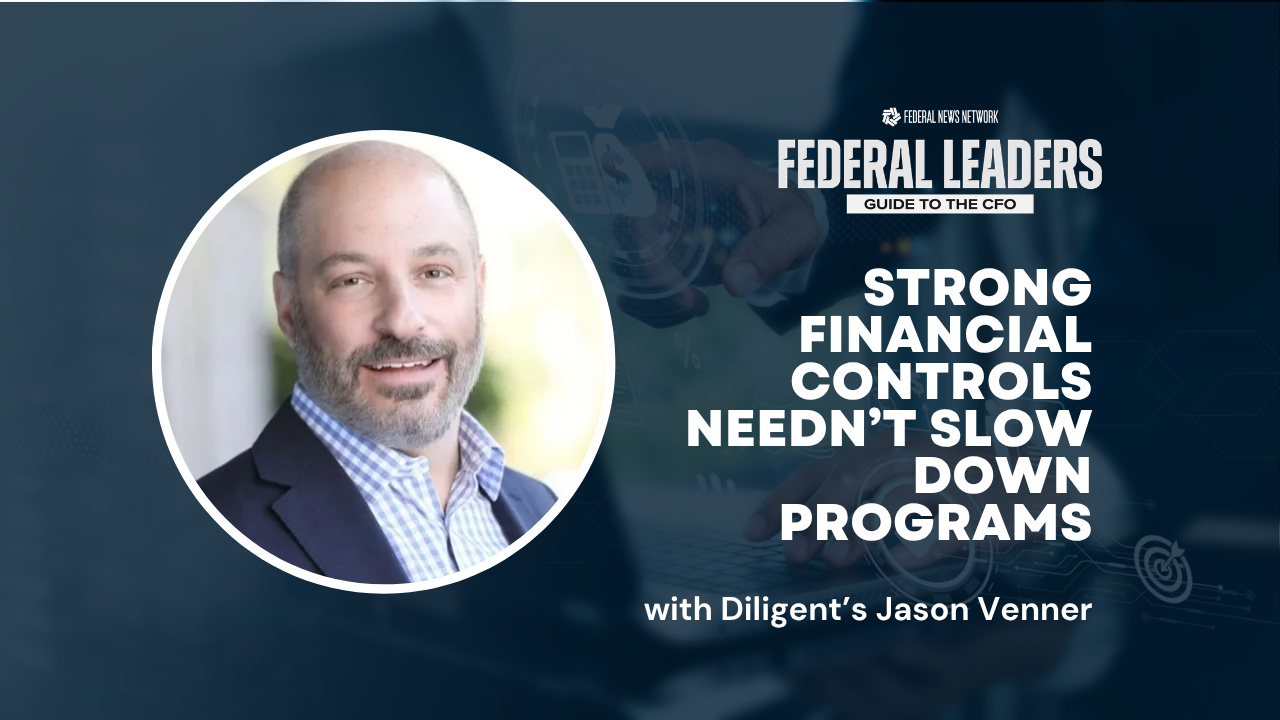
The integrity of government operations hinges on the strength of its financial frameworks. While internal financial controls might seem like dry administrative necessities, they are actually the bedrock of mission success. Recent updates to federal financial guidelines have shifted the paradigm, pushing agencies away from treating oversight as a mere compliance checkbox and toward building a results-driven operational environment. These changes urge agencies to evaluate their frameworks against foundational government auditing standards, ensuring that controls are designed to yield real, measurable outcomes rather than just filling out forms.
A central pillar of this evolution is the call for continuous monitoring. Historically, agencies treated their financial safeguards like a snapshot taken at the beginning of the fiscal year—a static check that quickly grew outdated. The new approach demands that controls operate and remain effective throughout the entire year. By moving beyond these point-in-time evaluations, agencies can ensure that their protective measures are actively functioning in real time, providing ongoing assurance that funds are being handled correctly and efficiently.
Implementing robust, continuous controls produces a critical benefit: the steady reduction of improper payments and fraud. While routine errors like clerical mistakes or misrouted invoices are relatively simple to correct, detecting deep, systemic fraud remains a significant challenge. To uncover these hidden threats, agencies are increasingly leveraging analytics, automation, and artificial intelligence. Rather than replacing human judgment, AI should serve as an overlay to automated systems. It allows agency leaders to query vast amounts of financial telemetry, flagging anomalies that would otherwise go unnoticed. Through an ongoing cycle of anomaly detection and control refinement, agencies can gradually eliminate financial losses, even if all fraud cannot be stopped immediately.
This continuous feedback loop also transforms an agency’s risk management strategy. Because the system constantly updates leaders on where the greatest vulnerabilities lie, it provides dynamic intelligence that annual reviews simply cannot offer. Risk does not emerge all at once, and neither do the threats to public funds. Understanding these vulnerabilities on an hourly, daily, or weekly basis is essential for proactive management. Furthermore, these technological tools enhance cost control in contracting and grant management. By tracking spending in real time, financial managers can contain cost growth, understand its causes, and plan accordingly before budgets spiral out of control.
Some skeptics argue that layering in stricter controls inevitably delays the release of funds and hampers program delivery. However, there is always a balanced middle ground where enhanced oversight does not impede time-sensitive disbursements. Additionally, automation means agencies do not need to hire large teams to manually sift through spreadsheets and paperwork. Technology automates the tedious work of chasing documents and reconciling numbers, allowing staff to be redeployed toward high-value problem-solving and strategic analysis. Over the course of six months to a year, these iterative improvements lead to major leaps in financial efficiency.
**Frequently Asked Questions**
**What happens if agencies stick to old, point-in-time financial reviews?**
Agencies miss emerging risks and allow small clerical errors to compound into larger systemic issues. Without year-round visibility, deep-seated fraud can go undetected for years, resulting in significant financial losses that are difficult to recover.
**How does artificial intelligence integrate into existing financial systems?**
AI acts as an additional analytical layer on top of standard automation. It takes the telemetry generated by daily operations and makes it easily queryable, enabling leaders to spot unusual patterns, anomalies, and potential fraud without manually reviewing thousands of data points.
**Can stronger controls really coexist with fast-moving government programs?**
Yes, there is always a middle ground. By thoughtfully layering controls, agencies can protect funds without creating bottlenecks. The iterative nature of modern control enhancement means that over time, systems become smart enough to monitor continuously without slowing down the legitimate flow of funds.
**Conclusion**
The transformation of federal financial management is not about adding more paperwork; it is about leveraging technology to build a living, breathing defense against fiscal mismanagement. By embracing continuous monitoring, intelligent automation, and a focus on real outcomes, federal agencies can safeguard public funds more effectively while simultaneously improving operational efficiency. The future of government finance is dynamic, proactive, and firmly rooted in results.
Thank you for reading
