



**The Gut’s Hidden Helpers: How Fiber and Microbes Team Up for Health**
The intricate relationship between human health and the trillions of microbes in our gut has become a central focus of modern medicine. A growing body of research, summarized in recent scientific literature, highlights how dietary components—particularly fiber—shape the gut microbiome, influencing everything from metabolism to immune function. This article explores the key mechanisms through which fiber promotes the growth of beneficial bacteria and the production of vital metabolites, especially short-chain fatty acids (SCFAs) like butyrate.
**The Microbial Metabolite: Butyrate**
One of the most studied products of gut microbial fermentation is butyrate. Produced primarily by the breakdown of dietary fiber, butyrate serves as a crucial energy source for colon cells and has potent anti-inflammatory properties. Studies have shown that butyrate can inhibit inflammatory pathways, such as NFκB, making it a focal point for research into gastrointestinal diseases like Crohn’s disease. The role of butyrate extends beyond the gut, with emerging evidence suggesting it plays a part in cardiovascular health and metabolic regulation.
**Dietary Fiber: The Key to a Healthy Microbiome**
Dietary fiber is the primary fuel for the gut microbiota. Different types of fiber can select for specific microbial communities, promoting a diverse and resilient ecosystem. For instance, prebiotic fibers like inulin and more complex carbohydrates can shift the gut microbiome towards a state associated with better health outcomes. Research has shown that increased fiber intake can enhance the production of SCFAs, improve gut barrier function, and even influence the differentiation of regulatory T cells, which are essential for maintaining immune tolerance.
The complexity of fiber structures determines their fermentability and, consequently, their impact on the microbiome. While some fibers are rapidly fermented, others provide sustained benefits by promoting the growth of specific bacterial strains like *Bifidobacterium* and *Lactobacillus*. This dynamic interaction between diet and microbiota underscores the importance of a varied and fiber-rich diet in maintaining microbial balance.
**A Framework for Future Research**
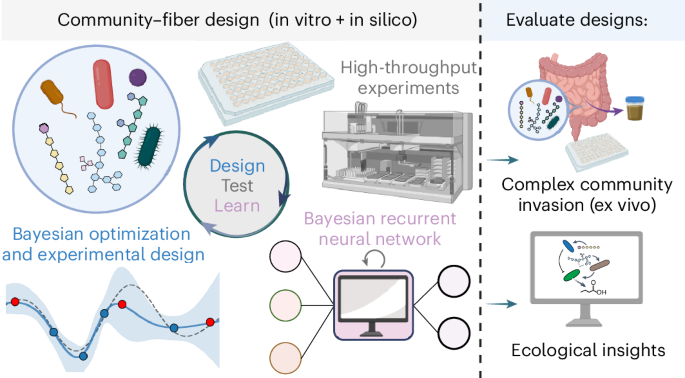
Advanced methodologies, including machine learning and metabolic modeling, are helping scientists predict and optimize microbial community functions. These tools enable researchers to design synthetic microbiomes that can produce desired metabolites, such as butyrate, tailored to individual health needs. Such innovations hold promise for developing targeted dietary interventions and probiotic therapies to combat metabolic disorders and other chronic diseases linked to dysbiosis.
—
### **FAQ**
**Q1: What is the primary role of dietary fiber in gut health?**
A1: Dietary fiber serves as the main energy source for beneficial gut bacteria. When fermented, it produces short-chain fatty acids (SCFAs) like butyrate, which nourish colon cells, reduce inflammation, and support overall metabolic health.
**Q2: How does butyrate affect inflammation?**
A2: Butyrate inhibits key inflammatory pathways, such as NFκB, which is implicated in many chronic diseases. Its anti-inflammatory properties are particularly significant in managing conditions like Crohn’s disease and other gastrointestinal disorders.
**Q3: Can specific types of fiber target certain beneficial bacteria?**
A3: Yes, different fibers preferentially stimulate the growth of specific microbial groups. For example, inulin and fructooligosaccharides are known to boost *Bifidobacterium* populations, while more complex fibers may support a broader range of beneficial microbes.
**Q4: How do scientists study the gut microbiome’s response to fiber?**
A4: Researchers use a combination of in vitro fermentation studies, animal models, and human clinical trials. Advanced tools like metabolic modeling and machine learning are increasingly employed to predict microbial behaviors and optimize interventions.
**Q5: Are there health risks associated with increasing fiber intake?**
A5: While increasing fiber intake is generally beneficial, a sudden and significant increase can cause gastrointestinal discomfort, such as bloating or gas. Gradual incorporation of fiber-rich foods is recommended to allow the gut microbiome to adapt.
—
### **Conclusion**
The synergy between dietary fiber and the gut microbiome represents a cornerstone of modern nutritional science. By fostering the growth of beneficial bacteria and the production of metabolites like butyrate, fiber plays a pivotal role in regulating metabolism, reducing inflammation, and promoting overall well-being. As research continues to unravel the complexities of these interactions, personalized dietary strategies and microbiome-based therapies are likely to become integral components of preventive and therapeutic healthcare. For individuals looking to optimize their health, a fiber-rich, diverse diet remains one of the most powerful tools for nurturing a resilient and balanced gut ecosystem.
