



# Nearly 150 European Politicians Found on Deepfake Pornography Sites, Research Reveals
**A sweeping investigation into the dark corners of the internet has uncovered a staggering trend: hundreds of European politicians — the vast majority of them women — have fallen victim to nonconsensual deepfake pornography, with some having their likeness used in explicit videos and others simply having their names and photographs cataloged in disturbing online databases.**
## The Scale of the Problem
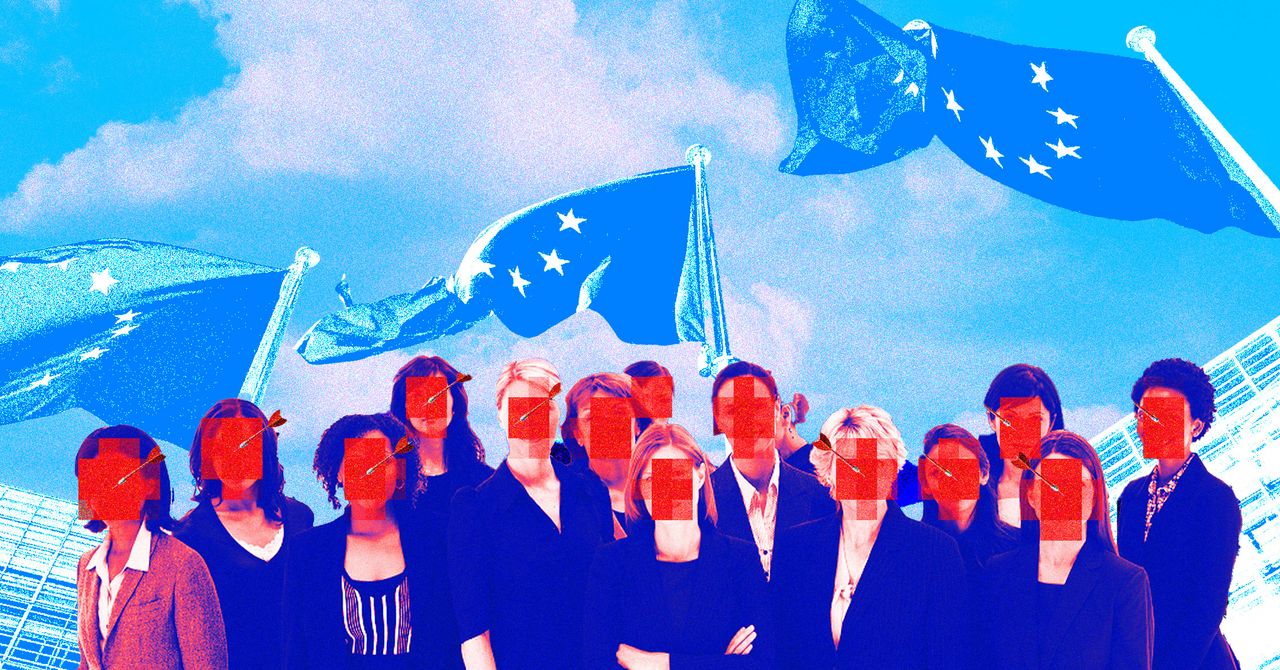
New analysis conducted by a researcher affiliated with a German digital democracy research organization examined approximately 160 websites that host deepfake abuse material and other forms of nonconsensual sexual content. The findings paint a harrowing picture: at least 138 female members of national parliaments from 22 European Union member states either appeared in or were referenced by these harmful platforms. Strikingly, only nine male members of parliament were mentioned across all of the sites reviewed.
The researcher’s calculations indicate that women serving in parliament are 33 times more likely to be targeted by this deepfake ecosystem than their male counterparts — a disparity that highlights the deeply gendered nature of this form of online abuse.
## Who Is Most Affected?
Politicians from Germany, the Netherlands, Italy, and France featured most prominently among those identified on these platforms. The research also found a clear correlation between a politician’s level of seniority and their likelihood of being targeted — those holding higher-ranking positions within their respective governments were disproportionately represented.
The investigation focused specifically on national members of parliament across all 27 EU countries. It did not extend to members of the European Parliament itself. The researcher compiled details on more than 5,800 European parliamentarians in July before using custom-built search tools to trace their digital footprints across the offending websites. All affected politicians were notified individually and were provided with guidance on how the content might be taken down.
## A Multi-Layered Ecosystem of Abuse
The research identified several distinct categories of harmful content and behavior hosted across the monitored sites. In some cases, explicit videos featuring politicians were still actively being hosted. In others, content had been indexed but subsequently removed — though traces remained. Perhaps most concerning were the so-called “gateways” and profiles that served as launching points for the creation of new nonconsensual imagery.
Many of these websites featured dedicated pages listing the names of politicians, accompanied by official photographs and in some cases links to their social media accounts or personal details. Some sections even included ratings of women’s bodies, according to the findings. Alongside these politician profiles, the sites frequently displayed links to applications marketed as “nudifier” tools, as well as built-in software claiming to digitally undress individuals.
“You have every image, every piece of personal information, and a direct path to the creation tool — sometimes it takes only three clicks to produce a new piece of abusive content,” the researcher explained, underscoring just how seamlessly these sites connect exposure to exploitation.
## The Chilling Effect on Democracy
Multiple experts and lawmakers who have studied or experienced this phenomenon warn that the consequences extend far beyond individual harm. The proliferation of deepfake pornography targeting female politicians carries serious implications for democratic participation itself.
“There is so much evidence that this causes real psychological harm and lasting reputational damage,” said one of the affected lawmakers, a member of the Dutch Progressive group. “If someone wants to step away from politics and pursue another career, these images can follow them forever.”
Another lawmaker, representing the Dutch Socialist Party, emphasized the importance of rapid response and support: “It is critical that if a woman or girl is victimized in this way, she has access to direct help and that the material is removed as quickly as possible.”
Researchers have also drawn attention to the broader chilling effect this abuse has on public life. The intimidation and humiliation embedded in these campaigns may discourage women from entering politics in the first place, or push those already in office out of the public eye.
## A Technology That Has Outpaced Regulation
The underlying technology behind deepfakes has evolved rapidly since the first AI-generated synthetic media appeared at the end of 2017. What once required significant technical expertise now demands little more than access to a web browser. The outputs of these tools have grown increasingly realistic, and millions of nonconsensual synthetic images and videos have been produced — predominantly by men and boys — to harass, intimidate, or blackmail women and girls worldwide.
The problem has reached educational institutions as well, with reports of deepfake abuse surfacing at nearly 100 schools across the globe.
“These platforms are engineered to function like commercial businesses, operating at scale with remarkable efficiency,” said an AI adviser and deepfake expert who has been monitoring this ecosystem since 2018. “The infrastructure is purpose-built to make this kind of abuse easy, fast, and widespread.”
## What Can Be Done?
While the research does not name the offending websites — in an effort to avoid driving further traffic to abusive content — it calls attention to the urgent need for regulatory frameworks that can keep pace with rapidly evolving AI technology. Lawmakers, advocates, and researchers alike are urging governments to treat nonconsensual deepfake pornography as a serious criminal offense and to invest in tools and policies that protect public figures and ordinary citizens alike.
—
## Frequently Asked Questions (FAQ)
**Q: What exactly are deepfakes?**
A: Deepfakes are synthetic media — images, audio, or video — created using artificial intelligence to convincingly depict someone doing or saying things they never actually did. When used nonconsensually in a sexual context, they constitute a form of digital abuse.
**Q: Why are women politicians disproportionately targeted?**
A: Experts point to a combination of factors, including the long-standing culture of online misogyny, the visibility of women in public life, and the way these platforms specifically cater to the sexualized exploitation of women. The gendered nature of the abuse reflects broader patterns of online harassment.
**Q: Can deepfake pornography be removed from the internet?**
A: Removal is often difficult, time-consuming, and not always permanent. Content can be mirrored across multiple sites, and some platforms operate outside the jurisdiction of any single country’s laws. Victims are encouraged to seek legal support and report content to the platforms hosting it.
**Q: Is this limited to European politicians?**
A: No. While the research focused on European members of parliament, deepfake abuse affects public figures, journalists, and private citizens worldwide. Cases have been documented across North America, Asia, Africa, and beyond.
**Q: What can be done to combat this issue?**
A: Experts recommend a multi-pronged approach: stronger legal penalties for creators and distributors of nonconsensual deepfake content, improved detection and takedown tools, better education about the technology, and greater support services for victims.
**Q: How has the technology behind deepfakes changed over time?**
A: Since first emerging in 2017, the tools needed to create deepfakes have become vastly more accessible and affordable. What once required specialized knowledge and expensive computing equipment can now be accomplished with free or low-cost software and basic hardware.
—
## Conclusion
The findings underscore a troubling reality: as artificial intelligence becomes more powerful and accessible, the tools meant to democratize creativity are being weaponized to harm vulnerable populations — particularly women in public life. Nearly 150 European politicians have been targeted, and countless more individuals worldwide face similar abuse every day. Addressing this crisis will require coordinated action from lawmakers, technology companies, and civil society to establish robust legal protections, improve content moderation, and foster a culture that treats digital sexual abuse with the seriousness it deserves. Without intervention, the chilling effect on women’s participation in public life will only grow, eroding the very foundations of democratic representation.
Thank you for reading
