



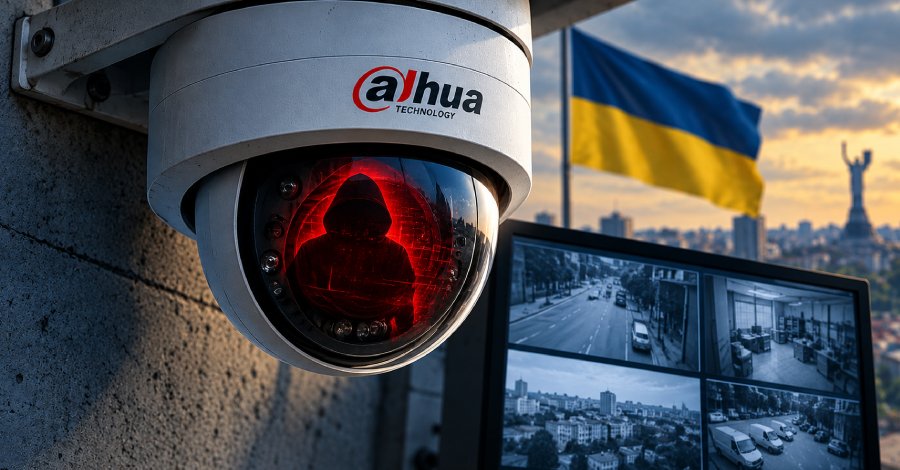
# Cyberattackers Exploit Dahua Security Cameras: What You Need to Know
**The Growing Threat to Home and Business Surveillance Systems**
Security researchers have uncovered a alarming pattern of cyberattacks targeting internet-connected video surveillance equipment. Attackers are exploiting weaknesses in widely used security cameras and digital video recorders to gain unauthorized access to live video feeds, steal sensitive footage, and even implant persistent backdoors that survive factory resets.
## How the Attacks Work
Many modern security cameras come equipped with a “plug-and-play” connectivity feature that allows owners to monitor their property remotely through a smartphone app. While convenient, this feature introduces a serious vulnerability when not properly secured.
One of the key methods attackers use is guessing serial numbers. These unique identifiers follow a predictable pattern — a fixed model prefix followed by a sequential code — making them easy to generate in bulk. By cycling through millions of possible combinations, hackers can locate cameras connected to the cloud without triggering security lockouts.
Once a device is identified, attackers bypass authentication using one of several techniques:
– **Default or weak passwords** that have never been changed by the owner
– **Known software flaws** in older firmware versions that allow complete access without credentials
– **Cloud relay abuse**, which lets attackers reach cameras hidden behind routers and firewalls using nothing more than the serial number
After gaining access, intruders create hidden accounts, modify device settings, and in some cases install backdoor credentials that cannot be removed through normal means — even after changing the admin password or resetting the device to factory settings.
## The Scope of the Problem
These attacks are not limited to a single region. Scanning activity has been documented across at least 15 European countries, including Ukraine, Poland, Romania, Germany, France, the United Kingdom, Austria, and others.
In one documented campaign, over 14,500 security cameras were compromised over a period of roughly five weeks. Nearly 2,000 of those devices had backdoor accounts forcibly installed, giving attackers persistent access regardless of any future password changes made by the owner.
Even more concerning, intelligence agencies have reported that compromised cameras in certain regions are being used for systematic espionage. Automated image recognition software scans footage to locate military vehicles, track supply routes, and identify the movements of personnel — information that could be used to plan offensive operations.
## Who Is at Risk?
Any security camera or digital video recorder with remote-access features enabled is potentially vulnerable. This includes:
– Home security cameras marketed for do-it-yourself installation
– Small business surveillance systems
– Industrial and warehouse monitoring setups
– Any device that connects to a manufacturer’s cloud service for remote viewing
Devices that are directly exposed to the internet or sit behind routers with port forwarding configured face the highest risk. However, even cameras behind network address translation (NAT) are not safe, as cloud relay features can be abused to bypass these protections.
## How to Protect Yourself
Security experts recommend several straightforward steps to reduce exposure:
1. **Disable remote-access features** you do not actively use, particularly peer-to-peer cloud connections.
2. **Change default passwords immediately** upon setup and use strong, unique credentials for every device.
3. **Keep firmware updated** to patch known vulnerabilities as soon as manufacturers release fixes.
4. **Avoid exposing camera ports directly** to the internet through router port forwarding.
5. **Place surveillance devices on a separate network** (such as a guest Wi-Fi network) to limit lateral movement if another device is compromised.
6. **Regularly review connected accounts** and audit logs for any unfamiliar users or unexpected configuration changes.
—
## Frequently Asked Questions
**Q: What types of security cameras are affected?**
A: The attacks primarily target IP cameras and digital video recorders that use peer-to-peer cloud connectivity features. Devices from the affected manufacturer are the main focus, though similar vulnerabilities exist in products from other makers as well.
**Q: Can attackers access cameras behind my router?**
A: Yes. Cloud relay services built into many cameras allow remote access without opening any router ports. Attackers can abuse these same services to reach devices behind network address translation without needing your local network address or credentials.
**Q: Will changing my password remove a backdoor account?**
A: Not always. In some cases, attackers install separate backdoor credentials that are stored independently from the admin account. These can survive password changes and, on many firmware versions, even a full factory reset of the device.
**Q: How do I know if my camera has been compromised?**
A: Warning signs include the presence of user accounts you did not create, unexpected changes to camera settings, and unusual activity in device logs — particularly authentication events originating from local addresses or using manufacturer-specific communication protocols.
**Q: Are wired cameras safer than wireless ones?**
A: Not necessarily. While wireless cameras may be more immediately accessible over the air, the vulnerabilities described here target the device’s software and cloud connectivity features, which affect both wired and wireless models equally.
**Q: What should I do if I suspect my camera has been compromised?**
A: Disconnect the device from your network immediately. Perform a factory reset, update the firmware to the latest version, change all credentials, and disable any unnecessary remote-access features. If persistent backdoor accounts are suspected, consider replacing the device entirely.
—
## Conclusion
The exploitation of consumer and business surveillance cameras represents a real and growing cybersecurity threat. The combination of predictable device identifiers, outdated firmware, and weak authentication practices creates an environment where attackers can compromise thousands of devices with minimal effort.
The stakes extend beyond privacy concerns. In conflict zones and sensitive regions, compromised cameras have been repurposed as intelligence-gathering tools, providing adversaries with actionable information about military movements and infrastructure.
For everyday users, the solution is deceptively simple: disable features you don’t need, keep software current, and use strong unique passwords. For organizations and governments, the message is equally clear — connected surveillance equipment must be treated as a security asset that requires ongoing maintenance, monitoring, and defense, not a set-it-and-forget-it device.
Stay vigilant, stay updated, and make security a habit rather than an afterthought.
Thank you for reading
