



# U.S. Senate Blocked Landmark Crypto Legislation: What Industry Leaders Are Saying
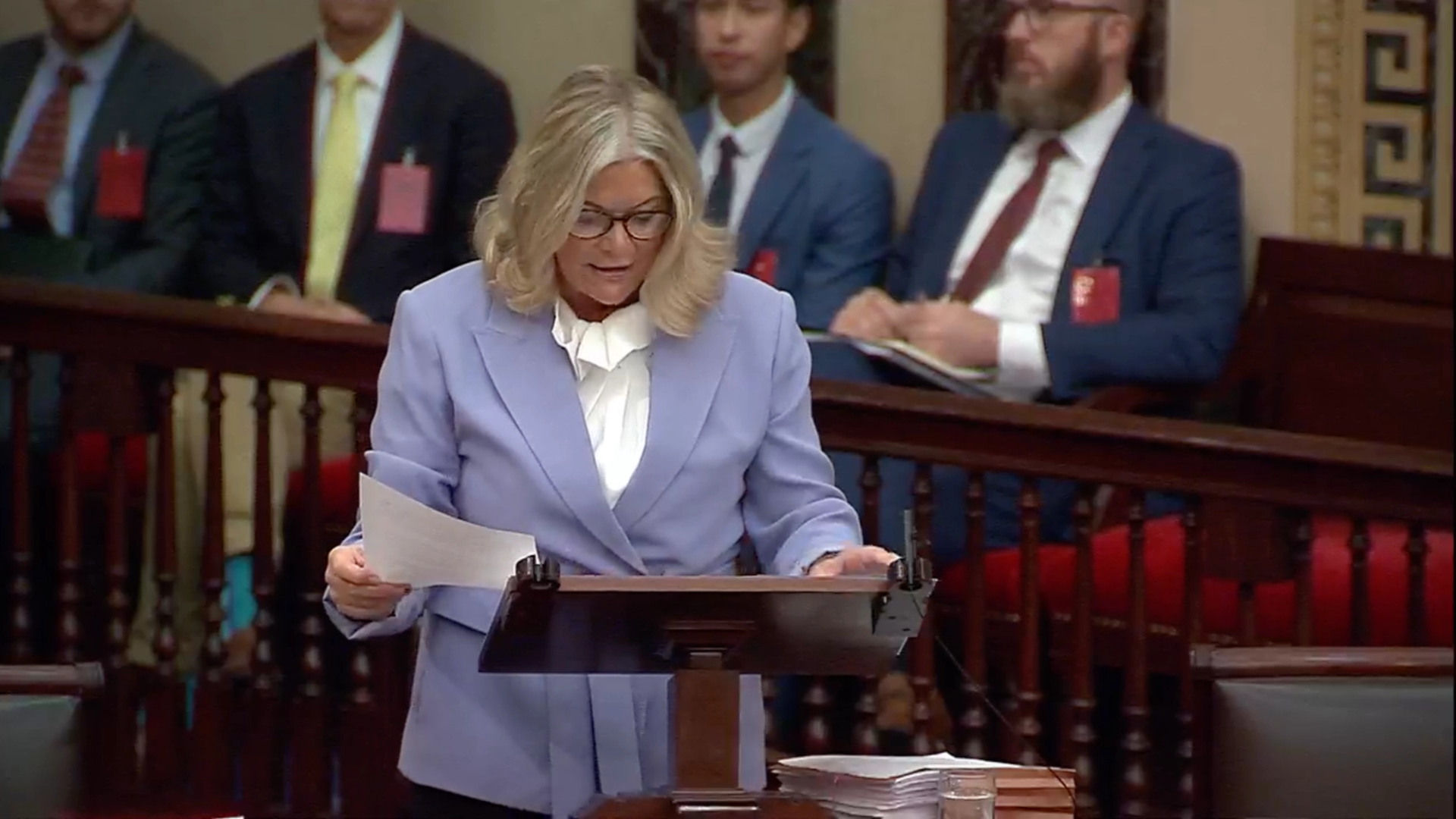
The Senate on Tuesday blocked a sweeping piece of crypto legislation from moving forward, falling short of the 60 votes needed to advance the bill. The legislation, aimed at establishing comprehensive market structure rules for digital assets, represented a pivotal moment for the crypto industry’s long-standing goal of translating regulatory guidance into permanent law.
Despite the disappointment, leaders across the digital asset space have responded with cautious optimism rather than alarm. The failure of the bill has not undone the regulatory work already underway at two key federal agencies, and most executives emphasize that the broader trajectory toward regulated markets remains intact.
## The Durability Question
The central concern raised by many in the aftermath of the failed vote is the durability of regulatory frameworks. Agency rules can be revised or reversed by a new presidential administration, whereas legislation would have embedded market structure rules into statute — making them far harder to dismantle without another act of Congress.
This gap has real consequences. Without statutory protections, certain safeguards for developers and firms remain vulnerable to shifts in political leadership and agency priorities. The possibility of institutional capital hesitating to enter a market governed by enforcement actions rather than clear law is a genuine risk that industry watchers are monitoring closely.
## Looking Abroad
Some executives have pointed to Europe’s regulatory framework, known as MiCA, as evidence that clear rules are possible and that the U.S. risks falling behind. With a growing number of blockchain builders choosing European jurisdictions, the competitive implications of continued legislative gridlock in Washington are becoming increasingly apparent.
Still, other leaders argue that the failure of one bill does not derail the long-term trend toward legitimacy and institutional adoption. The path forward, they suggest, may involve multiple regulatory agencies coordinating jurisdiction rather than waiting for a single legislative breakthrough.
## Industry Voices
The reaction from crypto executives has been notably level-headed. Rather than issuing dramatic warnings, most have framed the setback as a temporary obstacle in a longer journey. Several have emphasized that real demand, genuine innovation, and institutional interest in digital assets continue to grow regardless of what happens in Washington.
Ripple’s CEO called the outcome a disappointment that left consumers and U.S. competitiveness behind but expressed confidence that agency rule-making would continue to fill the gap. Other leaders echoed the sentiment that the best way forward for honest participants in the industry is to lead by example and continue building the underlying technology.
## What Comes Next
With legislative progress stalled, attention is expected to shift back to the regulatory agencies. Both the SEC and CFTC have signaled their intention to issue rules that address digital asset markets, including topics like stablecoin regulation, the division of jurisdictional responsibilities, and the treatment of crypto assets under existing federal law. However, those rules will remain subject to the political winds of each new administration.
—
## Frequently Asked Questions
**What was the Clarity Act?**
The Clarity Act was a proposed bill in the U.S. Senate designed to establish permanent market structure rules for the digital asset industry. It sought to clarify the roles of the SEC and CFTC, provide statutory protections for certain developers and firms, and create a durable regulatory framework that would outlast changes in political leadership.
**Why did the bill fail to advance?**
The bill fell short of the 60 votes required to invoke cloture and move forward in the Senate. Industry observers have noted that political opposition, particularly from Democratic senators and their allies, played a significant role in the outcome. Lobbying from bank trade groups against certain provisions, particularly around stablecoin yields, also contributed to the final vote count.
**Does the failure of this bill undo existing crypto regulation?**
No. Regulatory agencies like the SEC and CFTC continue to operate independently of congressional action. Both agencies have ongoing rule-making processes that address digital asset markets, and these efforts were not paused or reversed by the Senate vote.
**What happens to regulatory protections without legislation?**
Agency-issued rules are easier to change or repeal than laws passed by Congress. A new administration could potentially rewrite or rescind those rules without needing a single vote in the Senate. Statutory protections, by contrast, require an act of Congress to modify, which is a much higher bar.
**Are crypto companies considering moving overseas?**
Some industry leaders have acknowledged that regulatory uncertainty in the U.S. is pushing certain companies and builders to look toward jurisdictions like Europe, where the MiCA framework provides clearer legal guidelines. However, many executives maintain that the U.S. remains the most important market and that the goal is to establish clear rules domestically.
**Will banks and asset managers continue to enter the crypto market?**
Most industry executives believe so. Despite the lack of definitive legislation, major financial institutions have been gradually increasing their involvement in digital asset markets, driven by client demand, institutional-grade infrastructure, and the growing acceptance of blockchain technology.
**What role do prediction markets and pricing expectations play?**
Some industry figures noted that prediction markets had already anticipated the bill’s failure, suggesting that the immediate market reaction was muted. The emotional impact on the community and the longer-term momentum are separate considerations from short-term pricing movements.
—
## Conclusion
The Senate’s inability to advance comprehensive crypto legislation represents a significant setback for those who hoped to embed market structure rules into American law. However, the measured responses from industry leaders suggest that the digital asset ecosystem views this as one chapter in an ongoing regulatory journey rather than a definitive turning point. The push for clear, durable rules is far from over — it simply enters a new phase that will likely rely more heavily on agency action, international competition, and the steady demonstration that regulated digital markets can thrive.
The path forward demands patience, persistence, and continued engagement from all stakeholders. Whether through legislation or coordinated regulatory frameworks, the ultimate goal remains the same: a stable, transparent, and innovation-friendly environment for digital assets in the United States.
Thank you for reading
