



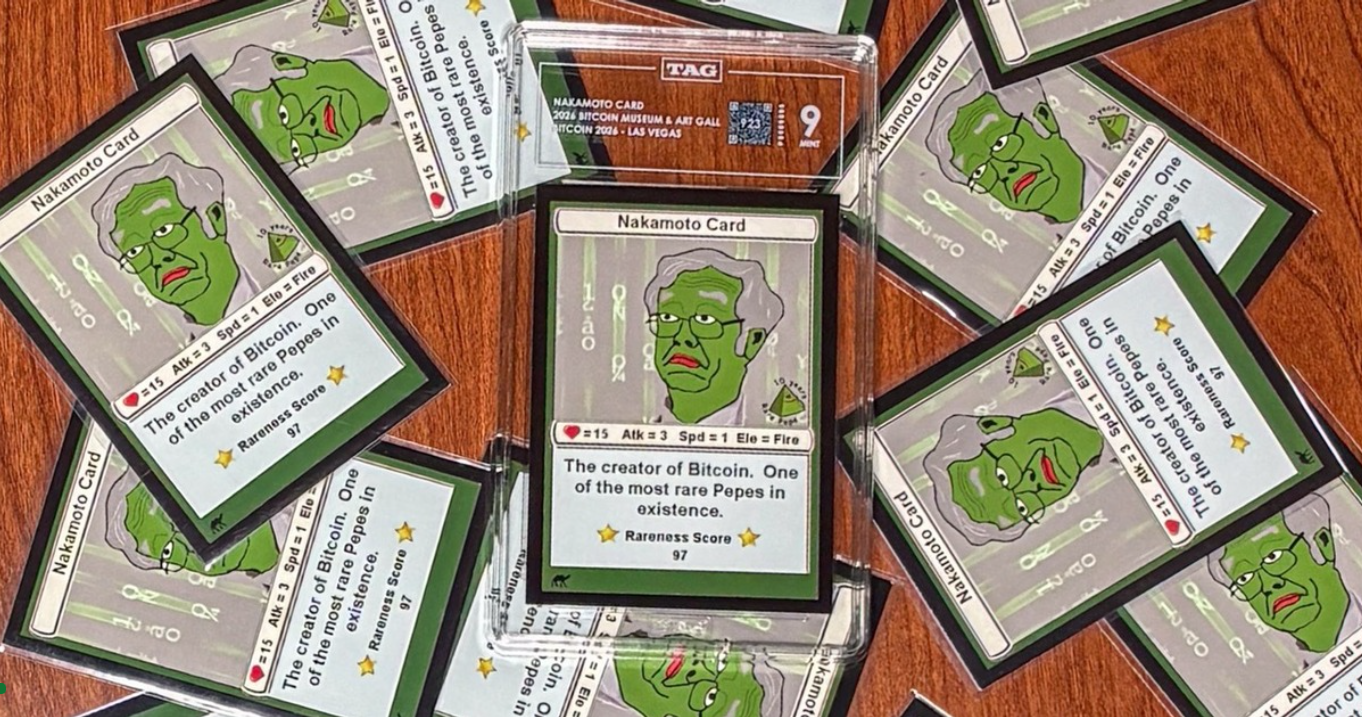
**Trading Cards and Bitcoin: A New Era of Collectibles**
The world of trading cards has undergone a dramatic transformation. What was once a simple hobby has evolved into a full-fledged spectator sport. Today, millions watch live streams as individuals tear open foil packages, and the card market has reached unprecedented highs, with rare cards fetching eight-figure sums. However, this frenzy has revealed a deeper issue: the obsession with anticipation over the actual cards themselves.
At the heart of this boom are difficult questions surrounding grading. The past year saw the dominant grading house face criticism after grades shifted post-buyback, raising the critical question: “Who grades the grader?” When a single subjective number dictates a card’s value tenfold, and the grader also holds a stake in the asset, the hobby faces a significant verification problem—a classic “trusted-third-party” dilemma.
Interestingly, these concerns mirror those in the Bitcoin community. The questions collectors ask—”what’s real, what’s rare, and what holds value?”—find their parallel in blockchain verification. A graded slab and a confirmed on-chain transaction both aim to alleviate this anxiety. Collectors demanding transparent grading and immutable provenance are seeking the same thing Bitcoiners have long championed: verification over trust.
This shared ideology is precisely why the Bitcoin Museum and Art Gallery (BMAG) is taking trading cards seriously. As the cultural arm of the Bitcoin Conference, BMAG has facilitated over $8 million in art and collectibles sales. The highlight will be the first Magic: The Gathering tournament at Bitcoin Conference Las Vegas, featuring on-site TAG grading and partnerships with Kraken. The conviction is simple: cards are asking the same questions Bitcoin already answered.
At Bitcoin Asia 2026 in Hong Kong, BMAG will debut a full Trading Card Expo, featuring vendors, live grading, auctions, and a curated gallery. Hong Kong, one of the world’s most active card markets, provides the perfect venue.
The trading card’s art pedigree is longer than most realize. From Jefferson Burdick’s collection at the Metropolitan Museum of Art to Art Spiegelman’s work at Topps, the format has always mattered. As critic Brian Droitcour notes, a Magic card is an image where rarity and function are entwined—inspiring NFTs that captured rarity but dissolved the hierarchy between artwork and collectible.
BMAG has long operated in the overlooked space of the Bitcoin conference art gallery, exploring memes as cultural units and internet debris as legitimate subject matter. Artists like Nardo have created works celebrating this intersection, culminating in pieces like “Citadel,” a seven-foot oil painting based on a 4chan meme. The card movement follows this current on a smaller scale—a conversation fitting for a penny sleeve.
### FAQ
**Q: Why are trading cards compared to Bitcoin?**
Both address the fundamental problems of verification, authenticity, and value. Just as Bitcoin uses a transparent ledger, graded cards demand verifiable provenance to combat “trusted-third-party” issues.
**Q: What is the “trusted-third-party problem” in card grading?**
It refers to the conflict of interest when the entity grading a card also benefits from its grade, leading to potential manipulation of perceived value.
**Q: What is “schizocollage”?**
A style emerging from crypto subcultures featuring dense layers of meme references, anime, and internet imagery, treating cardboard itself as a medium.
**Q: How can vendors participate in the Card Expo?**
Vendors can apply for tables at the Bitcoin Asia 26 Trading Card Expo, though spaces are limited.
**Q: Why is Hong Kong significant to this movement?**
Hong Kong is one of the world’s most active card markets, making it a natural host for this convergence of collectibles and Bitcoin culture.
### Conclusion
The intersection of trading cards and Bitcoin represents more than a market trend—it’s a philosophical convergence. Both communities seek truth in verification, value in rarity, and authenticity in transparency. As BMAG bridges these worlds at Bitcoin Asia 2026, the hobby evolves from simple collection to a profound commentary on art, value, and trust in the digital age. The card in the slab and the transaction on the blockchain are two answers to the same ancient human question: what can we truly believe in?
