



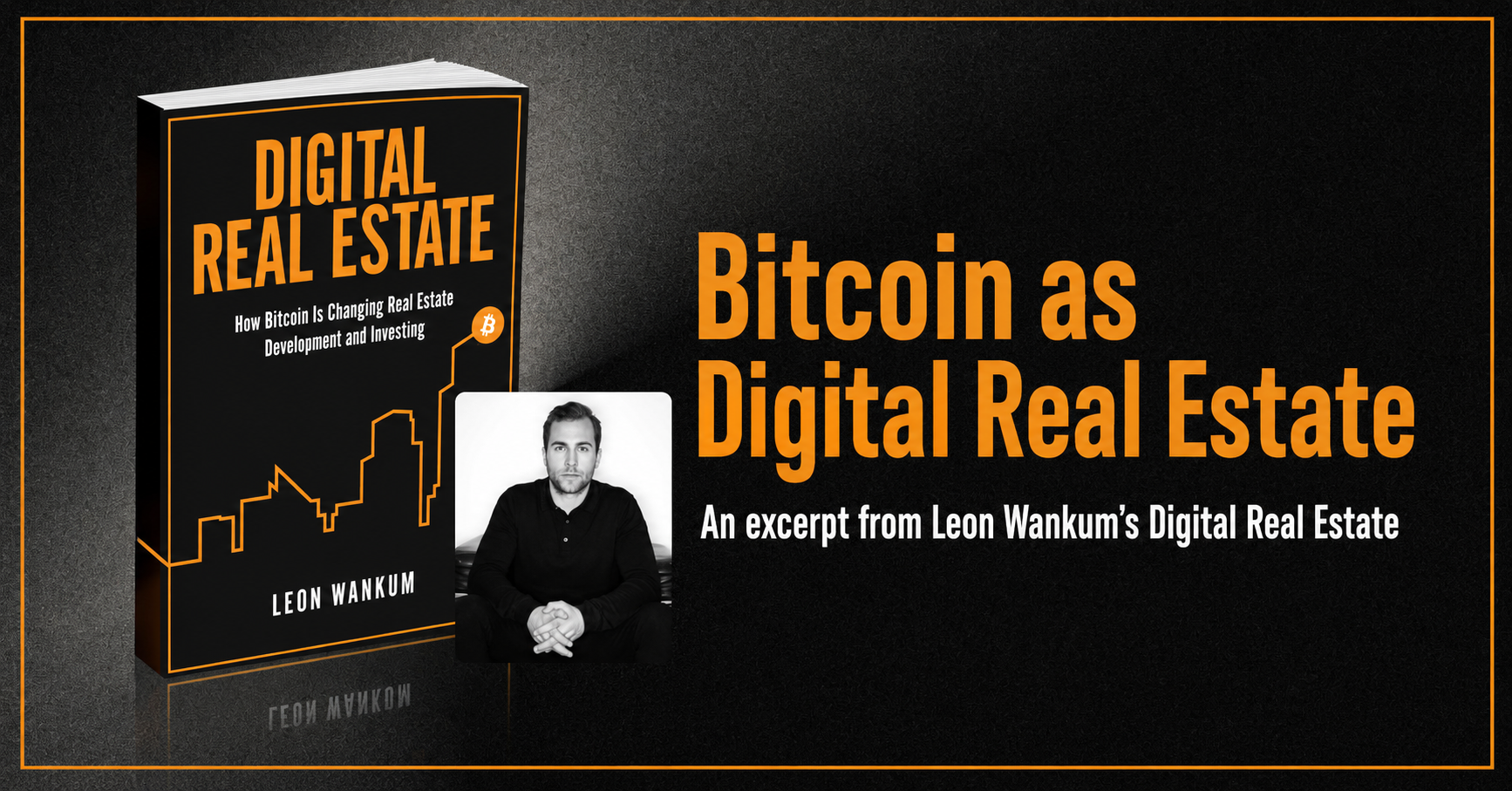
**Bitcoin as Digital Real Estate: Understanding Scarcity and Value in the Digital Age**
Bitcoin is often compared to real estate, and for good reason. This analogy, popularized by figures like Michael Saylor, Executive Chairman and Co-Founder of Strategy (formerly MicroStrategy), provides a tangible framework for understanding the abstract concept of cryptocurrency. The comparison hinges on the fundamental principles of scarcity, utility, and value creation. Just as prime real estate in a bustling city like Manhattan derives its worth from limited availability and high demand, Bitcoin’s value is rooted in its fixed supply and growing adoption.
### The Role of Scarcity in Value Creation
Scarcity is a cornerstone of value, whether in physical or digital assets. Real estate in densely populated areas is more expensive than in less inhabited regions because land is limited, and demand is high. Properties in cities like Manhattan, London, or Tokyo are prized not just for their physical utility but for the economic activity they support. Similarly, Bitcoin operates under a scarcity model with a fixed supply of 21 million coins, making it a deflationary asset in an increasingly inflationary world.
Real estate’s value is not just about the land itself but what is built on it—people, capital, creativity, and economic activity. This dynamic is amplified by factors like population growth, business expansion, and cultural relevance. In the same way, Bitcoin gains value as more individuals, institutions, and developers build upon its network, creating a robust ecosystem of financial infrastructure and global adoption.
### Bitcoin vs. Real Estate: Key Differences
While the analogy is useful, there are critical differences between Bitcoin and real estate. Real estate values are influenced by location-specific utility, zoning laws, and regulatory interventions. Government policies can artificially limit supply, driving up prices. Bitcoin, on the other hand, has an absolute and unchangeable supply cap, free from political or institutional control. This engineered scarcity ensures that Bitcoin remains a neutral, borderless asset,不受地域或政策限制.
Another key distinction is mobility. Real estate is immobile, tied to a specific geographic location. Bitcoin, however, can be transferred globally in minutes, requiring only network connectivity and liquidity. This makes Bitcoin a powerful tool for participating in the global economy without relying on centralized authorities.
### Bitcoin as a Long-Term Savings Vehicle
Like real estate, Bitcoin functions as a long-term savings vehicle and a potential store of value. While it does not generate income like rental properties, its fixed supply and increasing adoption make it a compelling option for preserving wealth. Bitcoin’s accounting model further reinforces this comparison. Instead of a balance held by a bank, ownership is defined by control over unspent transaction outputs (UTXOs), recorded transparently on the blockchain.
Each Bitcoin can be thought of as a digital plot of land—owned outright until spent and then transferred to a new owner. This creates a continuously evolving map of ownership secured by cryptography rather than institutional authority.
### Conclusion
The real estate analogy offers a helpful lens for understanding Bitcoin’s value proposition. Both assets derive worth from scarcity and economic activity, though Bitcoin’s fixed supply and global mobility set it apart. As adoption grows, Bitcoin’s role as a digital savings vehicle and medium of exchange will continue to evolve, making it a fascinating asset for investors and economists alike.
—
### FAQ
**Q: Why is Bitcoin compared to real estate?**
Bitcoin is compared to real estate because both assets derive value from scarcity and economic demand. Just as prime real estate in a growing city becomes more valuable over time, Bitcoin’s fixed supply and increasing adoption drive its value upward.
**Q: How does Bitcoin’s scarcity differ from real estate?**
Bitcoin’s scarcity is absolute and mathematically enforced, with a maximum supply of 21 million coins. Real estate scarcity can be influenced by zoning laws, regulations, and development potential, making it more flexible but also subject to policy changes.
**Q: Can Bitcoin generate income like real estate?**
No, Bitcoin does not generate passive income like rental properties. Its value lies in its scarcity and potential for appreciation, making it a store of value rather than an income-generating asset.
**Q: Is Bitcoin more mobile than real estate?**
Yes, Bitcoin can be transferred globally within minutes, whereas real estate is immobile. This mobility makes Bitcoin a versatile asset for participating in the global economy.
**Q: How does Bitcoin’s ownership model work?**
Bitcoin ownership is defined by control over unspent transaction outputs (UTXOs) recorded on the blockchain. Each Bitcoin can be thought of as a digital plot of land, owned outright until spent and transferred to a new owner.
—
### Conclusion
The comparison between Bitcoin and real estate highlights the enduring importance of scarcity and economic activity in determining value. While Bitcoin lacks the physical utility of real estate, its fixed supply, global accessibility, and growing adoption make it a unique asset in the digital age. Understanding this analogy helps investors and observers alike grasp Bitcoin’s potential as a long-term store of value and a transformative force in the global economy.
