



**Understanding the New Federal Suitability Rule: Changes, Concerns, and Legal Implications**
In a significant shift in federal employment policy, the Trump administration has introduced new rules that alter how federal agencies can determine the “suitability” of their employees. The changes, discussed recently by Eric White and Michael Fallings, a managing partner at Tully Rinckey, mark a departure from long-standing practices regarding due process and employee rights. Below, we break down the key aspects of the new rule, its implications, and the legal questions it raises.
—
### What Does “Suitability” Mean in Federal Employment?
Traditionally, “suitability” refers to whether a federal employee is qualified and appropriate for a particular role. During the hiring process, agencies conduct suitability reviews to assess factors such as criminal history, job performance, and other qualifications that could impact an employee’s eligibility. If a suitability determination negatively affects a candidate, they can appeal to the Merit System Protection Board (MSPB) or challenge the decision through established channels.
—
### Key Changes Introduced by the New Rule
The most notable change under the new rule is the expansion of “suitability actions” to include conduct that occurs *after* an employee is hired. Previously, suitability reviews primarily focused on pre-employment factors. Now, agencies can issue suitability actions based on post-appointment behavior without adhering to the same due process requirements.
Specifically:
– **Reduced Due Process:** Employees no longer have the automatic right to notice and response or an investigation before being deemed unsuitable.
– **Broader Justifications:** Agencies can use a wider range of factors to justify suitability actions, making federal employment less secure.
—
### Legal Recourse and Challenges
While employees can still challenge these actions in court, the rule introduces significant hurdles. According to Fallings, employees may file litigation under the Administrative Procedures Act or raise discrimination claims with the Equal Employment Opportunity (EEO) office. However, if the rule explicitly prohibits appeals, the pathway to legal recourse becomes more complex. Federal court litigation may be the primary option for employees seeking to challenge the suitability determination.
—
### Non-Disclosure Agreements (NDAs) and Their Impact
Another contentious aspect of the administration’s approach involves mandatory non-disclosure agreements (NDAs). Employees who refuse or challenge these agreements could risk being deemed unsuitable. While NDAs often come with whistleblower protections under the First Amendment, the vague language surrounding what qualifies as “confidential” creates uncertainty and potential retaliation.
—
### The Broader Context: OPM’s Goals for Federal Workforce Oversight
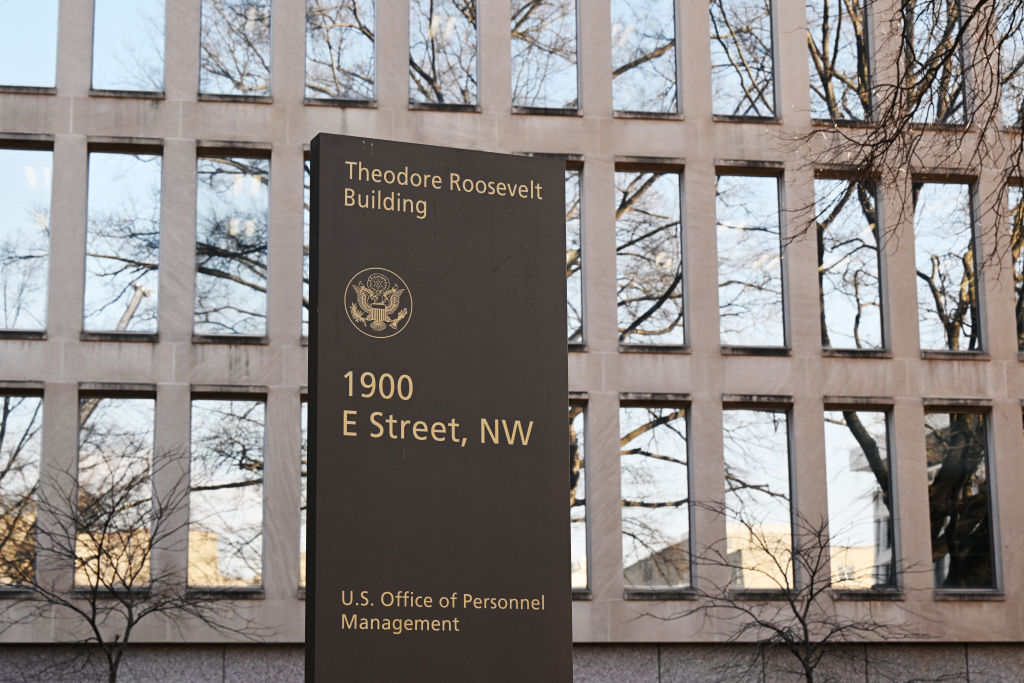
These changes are part of a larger effort by the Office of Personnel Management (OPM) to reduce the federal workforce and grant agencies greater flexibility in managing employees. Other initiatives include stricter staffing plans, enhanced oversight from chief human capital officers, and shortened performance improvement periods—all aimed at limiting due process and expediting employee removal.
—
### Frequently Asked Questions (FAQ)
**Q1: What does “suitability” mean in the context of federal employment?**
“Suitability” determines whether a federal employee is qualified and appropriate for their role. It traditionally involves pre-employment reviews of factors like criminal history and job performance.
**Q2: What has changed with the new rule?**
The new rule allows agencies to take suitability actions based on post-appointment conduct without following due process procedures, such as providing notice or conducting an investigation.
**Q3: Can employees still appeal suitability actions?**
While employees can challenge these actions in court or through the EEO office, the rule limits traditional appeal methods and places greater burden on employees to seek legal recourse.
**Q4: How do non-disclosure agreements tie into suitability?**
Refusing to sign an NDA or challenging its terms could be used as grounds for determining an employee unsuitable, raising concerns about First Amendment and whistleblower protections.
**Q5: What is OPM’s broader goal with these changes?**
OPM seeks to reduce the federal workforce and make it easier for agencies to remove employees by limiting due process and expanding the scope of suitability determinations.
—
### Conclusion
The new rule marks a pivotal shift in federal employment policies, prioritizing agency flexibility over employee protections. By expanding the grounds for suitability actions and reducing due process requirements, the administration aims to streamline workforce management and reduce federal employment numbers. However, these changes raise significant legal and ethical questions, particularly regarding employee rights, whistleblower protections, and the role of due process in federal workplaces. As litigation and public discourse unfold, the long-term impact of this rule on the federal workforce will become clearer.
