



Every year, idle machinery costs the heavy manufacturing sector billions of dollars. Why? Because brilliant improvement ideas rarely reach the factory floor. The blueprint is drawn, the spreadsheet is complete, and the presentation looks perfect—but six months later, everything has reverted to the old way. The issue has never been the strategy; it has been the stubborn gap between having a plan and making it a daily habit.
Turning a proposal into a permanent part of how a plant operates requires a specific kind of discipline. It is the difference between knowing what needs to change and actually changing it on the shop floor, shift after shift, until it sticks.
**The Three-Stage Execution Framework**
To close the gap between a good idea and real results, operational execution requires three connected stages.
First, you must pinpoint exactly where the money is being left behind. This means looking at the bottom line of specific bottlenecks rather than chasing a single, vague savings target. If you want buyers to trust the plan, every opportunity must be individually valued and traceable.
Second, you prepare the ground. Before any physical change happens, you must define the daily routines that will support it. This includes setting up short, frequent shift meetings, creating visual management boards, and establishing clear accountability for each new standard.
Third, and most critically, you step onto the floor. This is the coaching phase, where you work directly alongside the crew, adjusting standards in real-time until the new method becomes second nature. True execution is complete only when a line runs faster or a process is smoother—even during a chaotic night shift with no outside help watching.
**Why Most Upgrades Fizzle Out**
Most initiatives collapse during the transition from paper to practice. The planning phase is exciting and easy to fund; the execution is grueling and depends on hundreds of small behavioral shifts across a workforce.
Research into modern technology rollouts shows that the vast majority of ambitious digital projects never reach full-scale production, stalling after the initial demonstration. The reason isn’t a bad concept; it is a lack of follow-through. When a pilot works in a controlled environment but fails to integrate into the daily chaos of a running plant, the project is destined to fade. The same pattern kills traditional workflow upgrades the moment the project team packs their bags.
**Locking In the New Way of Working**
To ensure changes endure, you must remove the structural reasons they unravel. Start by making the new standard visible. Use brief, frequent team huddles to catch small deviations within a single shift, rather than discovering them months later in a monthly review.
Next, build systems that don’t rely on a single person. The experienced workers who run critical equipment are retiring faster than replacements are entering the workforce. Knowledge must be written down and systematically taught to the next crew. A process that only lives in one veteran’s memory is doomed to disappear when they leave. Writing it down and coaching others is not overhead; it is the only way the result becomes permanent.
**Getting Smart Tech to Actually Work on the Floor**
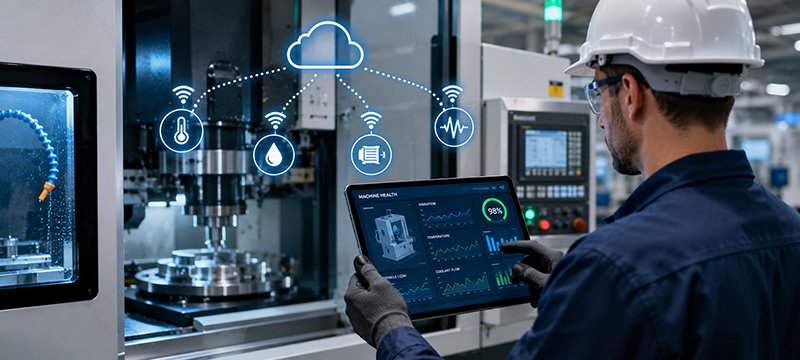
Advanced technology like artificial intelligence earns its place only when it solves a specific, costly operating problem and is woven into the existing daily rhythm. If it sits as a separate, isolated project, it will fail.
Interest in these tools is extremely high across the sector, yet deployment remains stuck in the research phase. To succeed, organizations must prioritize use cases by actual business value, redesign the process around the new tool, and drive adoption on the floor with the same coaching and daily routines used for any other change. Technology bolted on fails; technology embedded into daily operations reaches the bottom line.
**Measuring Real Success**
How do you know if the execution actually worked? Do not count meetings or completed training sessions. Look at the machines and the metrics: throughput speed, on-time delivery, overall equipment reliability, scrap rates, and operational costs.
Two rules keep the measurement honest. First, tie every result to a specific, concrete operational metric—not a generic claim of “improvements made.” Second, measure sustainability over time. A number that spikes during the project but fades afterward means the change was never truly implemented. Real success shows up as a permanent step-up that survives staffing shortages and sudden demand spikes.
***
**Frequently Asked Questions**
**What does it mean to execute a factory improvement?**
It is the process of taking a validated plan and turning it into daily habits. It is the work of coaching the crew, adjusting the workflow, and staying until the new method becomes the standard way of working, even when no one is watching.
**Why do well-designed upgrades often fail?**
They fail at adoption, not at analysis. Organizations spend too much time and budget on the planning phase and under-resource the execution phase. Execution is difficult because it requires changing the daily behavior of every shift, which is much harder than drawing up a roadmap.
**What makes a change permanent on the shop floor?**
Three things make a change permanent: daily management routines that make deviations visible within a shift, control systems that survive staff turnover, and extensive coaching so the plant’s own people can sustain the change without outside help.
**How is the success of a floor upgrade measured?**
Success is measured in hard, operational metrics like throughput, on-time delivery, equipment reliability, cost savings, and quality rates. The ultimate test of success is whether the metric holds steady months after the project team has left the building.
***
**Conclusion**
The factory floor is where value is either created or lost. A strategy is merely a promise until it is lived out in daily operations. By focusing on disciplined execution, building resilient daily routines, and transferring knowledge to the next generation of workers, organizations can turn temporary projects into permanent gains. The real work doesn’t end when the plan is approved—it begins the moment the first new process is run on the floor.
Thank you for reading
