



# Global Fuel Crisis Deepens: Five Nations Forced to Ration as Oil Supply Chain Collapses
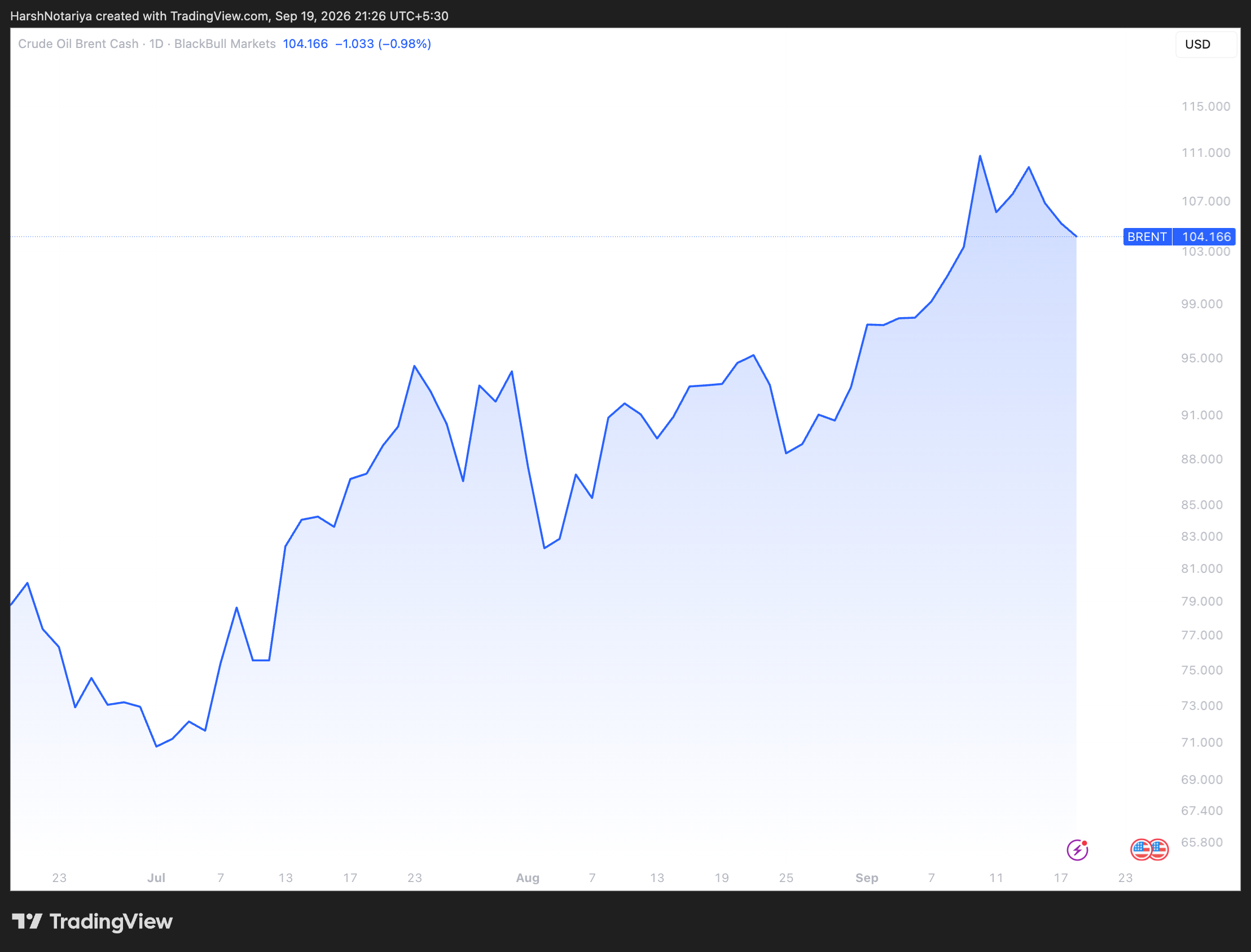
Oil prices have surged to their highest point since early spring this year, pushing Brent crude past the $110 per barrel threshold. What began as a geopolitical conflict between Iran, the United States, and Israel has now evolved into a full-blown energy supply crisis that is reshaping daily life for millions across multiple continents. More than 200 days into the crisis, the ripple effects continue to intensify.
## How the Crisis Unfolded
The Strait of Hormuz, one of the world’s most critical oil transit chokepoints, has been effectively closed since February 28, when Iran launched retaliatory strikes following US and Israeli military actions. Compounding the problem, Houthi forces have made significant territorial gains near the Bab al-Mandab strait, which serves as the primary alternative sea route connecting the Red Sea to the Indian Ocean. With both major maritime corridors severely disrupted or blocked, the global fuel supply chain is under unprecedented strain.
## The Refined Product Bottleneck
While crude oil prices have drawn much of the headlines, industry leaders are now warning that the real crisis lies in refined products. At a recent Asia-Pacific petroleum conference, the CEO of a major global trading house stated that the market is currently missing approximately four million barrels per day of refined products — roughly two million from Russia and another two million from the Middle East. This shortage encompasses gasoline, diesel, jet fuel, and liquefied petroleum gas, all of which are essential for transportation, heating, cooking, and industrial operations.
International energy authorities confirm that shipments leaving key Gulf region ports remain at less than half their pre-crisis volume. Meanwhile, Russian diesel exports have dropped by approximately half since June, further tightening availability across international markets.
## The Countries Feeling the Pain
The consequences of this supply collapse are no longer theoretical. Several nations are now enforcing fuel rationing or reporting widespread shortages at their pumps. Here is a closer look at each of the affected countries.
### France: European Fuel Prices Hit Record Highs
Between 10 and 12 percent of France’s fuel stations experienced stockouts at least one fuel type during a recent three-day period in mid-September, according to official government data. In the Grand Est region, the figure climbed as high as 14 percent.
Gasoline prices reached a new all-time high of €2.17 per litre after six consecutive weeks of increases. Diesel costs are hovering just one percent below the record set in April of this year. The government holds approximately 118 days’ worth of crude oil in strategic reserves, yet consumers are still seeing empty pumps — a clear indication that the problem lies not in the availability of raw oil, but in the logistics and distribution of finished fuel products.
The situation grew tense enough that fishermen blockaded a fuel depot in Fos-sur-Mer on September 15, leading to clashes with law enforcement. French President Emmanuel Macron has called for an emergency G7 meeting to discuss coordinated responses, including the potential release of strategic reserves and the relaxation of export restrictions. He stated that the upcoming meeting would focus on strengthening cooperation among allied nations and exploring options to ease the fuel crunch before winter demand kicks in.
### Pakistan: Emergency Measures Return After Brief Lift
Pakistan had lifted its emergency fuel restrictions back in June, but 89 days later, the government was forced to reinstate them entirely. Starting September 17, shops, malls, and commercial buildings must close by 9:00 PM, wedding venues by 10:00 PM, and restaurants by 11:00 PM — a set of rules that will remain in effect for the next three months.
Government vehicles have been instructed to reduce their fuel allocations by half, though security and emergency fleets are exempt. The cabinet has also banned new vehicle purchases and official foreign travel, while ordering a five percent cut to non-employee government spending for the upcoming fiscal year.
Winter poses a particularly grave risk for Pakistan. The country needs to secure oil and gas shipments well before November, when global demand typically spikes. Red Sea detours are adding approximately 10 days to each voyage, driving up costs and creating uncertainty about whether enough fuel will arrive in time for the colder months.
### Bangladesh: A Nation Running on Timetables
Bangladesh imports over 90 percent of its petroleum products, leaving it acutely vulnerable to global supply disruptions. Dhaka, a metropolitan area home to nearly 40 million people, now operates on schedules dictated by gas pressure levels. Residents plan their daily routines around when cooking stoves will ignite, how long electric fans can run, and how long the queues at petrol stations stretch.
According to reports, many households have shifted their cooking to 1:00 AM, the only hour during which piped gas pressure is strong enough for cooking. One bank employee described surviving on just three hours of sleep each night before a full day at work.
The government has implemented strict energy rationing. Commercial establishments, markets, and shopping centres must close by 8:00 PM, down from the previous schedule. Outdoor advertising billboards have been switched off from 7:00 PM, with hospitals, pharmacies, food shops, and emergency services being the only exempt entities.
The industrial sector is also suffering. Garment factories, which form the backbone of Bangladesh’s export economy, are facing rationing and temporary closures. One manufacturing plant in Gazipur has reported experiencing four or five power outages per day, crippling production lines.
### Indonesia: Protests Erupt as Rationing Fails to Calm Crowds
By mid-September, fuel queues at stations in Makassar stretched to over a kilometer, with ride-hailing drivers reporting three-hour wait times. It was the worst shortage locals had experienced in years.
The South Sulawesi provincial government issued a rationing decree on September 12. Under the new rules, vehicles can only refuel on days matching their license plate numbers, private cars must show a fuel gauge reading below one bar, and trucks and buses are limited to filling up between 6:00 PM and 4:00 AM.
The measures did little to ease public anger. On September 14, protesters stormed a Pertamina Patra Niaga office in Makassar and engaged in physical confrontations with security personnel. Hundreds remained gathered outside well into the night, according to local news reports.
On September 17, the Energy Minister told reporters that the Makassar shortage had been resolved and that national fuel stocks covered 18 to 20 days. He attributed the crisis to wealthier drivers switching from full-price fuel to subsidised variants as crude prices climbed above $100 per barrel. His ministry is now developing regulations to prevent higher-income households from accessing subsidised fuel.
Indonesia imports roughly 60 percent of its fuel needs, and the Indonesian rupiah had already lost 11 percent against the US dollar by June of this year. This means that each barrel of imported oil costs significantly more in local currency terms before any price movement on the global market even occurs.
### Nepal: Supply Chain Collapse Hits Hardest at the End of the Line
Nepal’s petroleum supplies minister resigned on September 10 amid the worsening cooking gas crisis. On the same day, students in Kathmandu staged a protest by cooking rice over open firewood outside their university campus gate, drawing national attention to the desperation gripping the capital.
The crisis in Nepal has been worsened by a landslide that blocked the Prithvi Highway, the primary road connecting Kathmandu to the rest of the country. Bottling plants in the Kathmandu Valley are currently delivering only five percent of the 35,000 to 40,000 cooking gas cylinders the capital requires daily. Some households have gone an entire month without a single refill.
Restaurants are reportedly on the verge of permanent closure, and local media outlets are now describing residents cutting back on food consumption. Nepal imports every drop of its fuel through India, placing it at the very end of an already-strained supply chain where delays and disruptions are amplified at every stage.
## FAQ Section
### What caused the fuel shortages in these five countries?
The shortages stem from a combination of geopolitical conflict and supply chain disruption. The closure of the Strait of Hormuz and the Houthi advance at the Bab al-Mandab strait have severely limited maritime fuel transport routes. Additionally, a significant drop in refined product availability from both Russia and the Middle East has created a bottleneck that affects finished fuels — gasoline, diesel, and cooking gas — rather than just crude oil.
### Why is the shortage about refined products and not crude oil?
Countries like France already hold substantial crude oil reserves, yet their citizens are still facing fuel shortages at the pump. This demonstrates that the core problem is not the availability of raw petroleum but the inability to process and distribute refined products. The global refining capacity for gasoline, diesel, and other finished fuels has been disrupted, creating a gap between crude supply and usable fuel supply.
### Will the situation get worse before it gets better?
The outlook is concerning. The Northern Hemisphere heating season is approaching, meaning countries like Pakistan, Bangladesh, and Indonesia will be competing with Europe for the same winter fuel shipments. Securing cargoes before November, when demand spikes, is a critical challenge for all affected nations.
### What is being done to address the crisis?
France is pushing for a G7 meeting to coordinate a release of strategic petroleum reserves, though it remains unclear whether the other member nations will agree. Individual countries are implementing their own measures, including fuel rationing, closing hours for commercial establishments, and restricting subsidised fuel access. Indonesia is drafting new rules to prevent wealthier households from using subsidised fuel pumps.
### How does this crisis affect ordinary people?
The impact on daily life is severe and immediate. Families are changing their cooking schedules to the middle of the night to find gas. Commuters face hours-long queues at petrol stations. Factory workers face intermittent power cuts and the prospect of job losses as production slows. Students are skipping meals and relying on firewood for cooking. What started as a geopolitical conflict has translated into tangible hardship for millions.
### Could more countries join the list of those rationing fuel?
It is a real possibility. As the crisis continues and winter demand increases, countries with high fuel import dependency and limited strategic reserves could face similar shortages. Global energy markets remain tightly interconnected, and disruptions in one region can cascade quickly into others.
## Conclusion
The fuel crisis triggered by the Iran conflict has entered its third quarter with no clear resolution in sight. What began as a regional military confrontation has metastasized into a global energy emergency that touches every corner of the supply chain — from the Strait of Hormuz to the streets of Kathmandu. Five countries are now actively rationing fuel or reporting outright stockouts, and the approaching winter heating season threatens to push the situation even further.
The crisis exposes a fundamental vulnerability in the global energy system: the world’s dependence on maritime chokepoints, the fragility of refined product logistics, and the disproportionate impact that supply disruptions have on the poorest and most import-dependent nations. As governments scramble to release reserves, negotiate internationally, and impose painful rationing measures, millions of people are left to adapt their lives around the unpredictable availability of the fuel they need to cook, travel, and work.
The coming months will determine whether coordinated international action can stabilise the situation or whether the crisis will deepen, potentially drawing more nations into rationing and hardship.
Thank you for reading
