



The federal government is navigating a dynamic week of policy shifts, technological adoptions, and administrative changes across various departments. From honoring historical events and modernizing defense technologies to addressing workforce protections and financial oversight, these developments are shaping the future of federal operations.
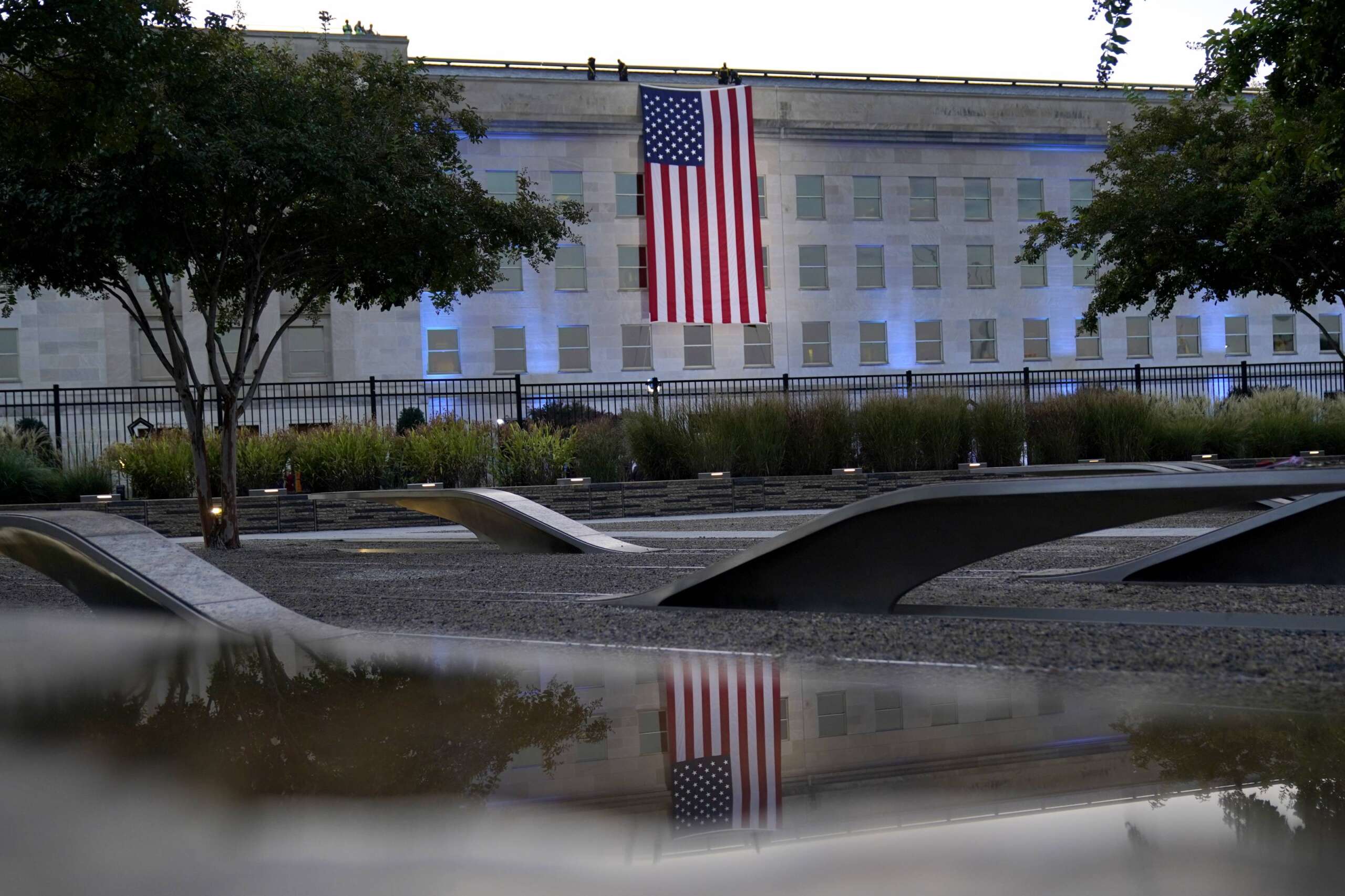
A site of national remembrance has reached a significant milestone in its recognition. The National Park Service has officially designated a prominent memorial as an affiliated area, establishing a formal partnership with the Defense Department and a dedicated memorial fund. This collaboration aims to deepen the public’s understanding of the site’s historical importance and the events it commemorates. The memorial, which was dedicated in 2008, honors the 184 individuals who lost their lives at the building and aboard a specific flight during the September 11th attacks.
In the realm of federal employment, lawmakers are introducing legislation to strengthen the rights of government workers. A new bill proposed by House Democrats seeks to impose strict limitations on agencies’ ability to mandate non-disclosure agreements for federal employees. Furthermore, the legislation aims to broaden whistleblower protections for those who report instances of government wrongdoing. This push comes in response to recent discussions surrounding a potential government-wide secrecy pact.
The intersection of artificial intelligence and national defense is also seeing notable updates. A senior Pentagon technology official dismissed recent apocalyptic predictions regarding AI, labeling them as far-fetched and driven by a pessimistic outlook. He emphasized that market competition and the fear of legal liability should serve as sufficient checks on AI companies to ensure public safety. However, the department maintains a firm stance on certain AI providers, keeping their products restricted within defense operations due to ongoing supply chain evaluations. To bridge the gap between the military and commercial innovators, a new initiative is being launched to help private companies begin the facility clearance process before the Pentagon commits to a purchase, thereby removing a key barrier to doing business with the armed forces.
On the artificial intelligence front, a major government-wide partnership with a leading tech firm has been extended. Under the revised agreement, federal agencies will have continued access to advanced language models at a significantly reduced cost, utilizing a flexible, consumption-based model that allows them to pay only for what they use. The tech company is also committing to providing expanded training and support resources to help government users integrate the technology effectively.
Meanwhile, an environmental agency is facing consequences after an independent arbiter found it violated its own union contract. The ruling determined that leadership failed to provide proper notice or bargaining opportunities before executing widespread staff reductions. The decision orders the agency to rehire affected employees and to engage in good-faith negotiations with the union, though the agency has a limited window to appeal the ruling before it becomes fully enforceable.
Finally, financial leadership within the defense department is championing a sweeping modernization of how the military manages its resources. Officials are advocating for new software capable of calculating balance sheets and detecting errors in real time, alongside a comprehensive dashboard to track military spending at any given moment. This push for transparency coincides with a broader overhaul of the department’s financial management systems. Concurrently, acquisition leaders are urging Congress to approve a historic budget proposal, arguing that the influx of funds would dramatically accelerate the department’s ability to inject capital into emerging technologies and rapidly adopt commercial innovations at scale.
**FAQ**
**Q: What does it mean for the Pentagon memorial to become an affiliated area of the National Park Service?**
A: It establishes a formal partnership between the NPS, the Defense Department, and the memorial fund. This status allows the NPS to assist in promoting the site’s national significance and public understanding, but the Department of Defense retains ownership and day-to-day management of the memorial.
**Q: How does the proposed Federal Worker Protection Act impact government employees?**
A: The legislation aims to restrict the ability of federal agencies to require employees to sign non-disclosure agreements and significantly expands protections for whistleblowers who report misconduct. This effort was catalyzed by recent discussions around a potential government-wide NDA.
**Q: Why is the Pentagon extending its deal with the major AI company?**
A: The extension provides federal agencies with continued, cost-effective access to advanced large language models under a two-year agreement. The pay-as-you-go model offers up to a 50% discount on tokens, includes no minimum spending requirements, and comes with additional training and enablement resources for government users.
**Conclusion**
The federal government is at a pivotal moment, balancing the preservation of its history with the rapid adoption of modern technologies. These developments—ranging from honoring past sacrifices and protecting workers, to streamlining defense contracts and modernizing financial oversight—highlight a complex landscape of governance. As these initiatives move forward, they will continue to shape how federal agencies operate, innovate, and interact with both their employees and the public.
Thank you for reading
