



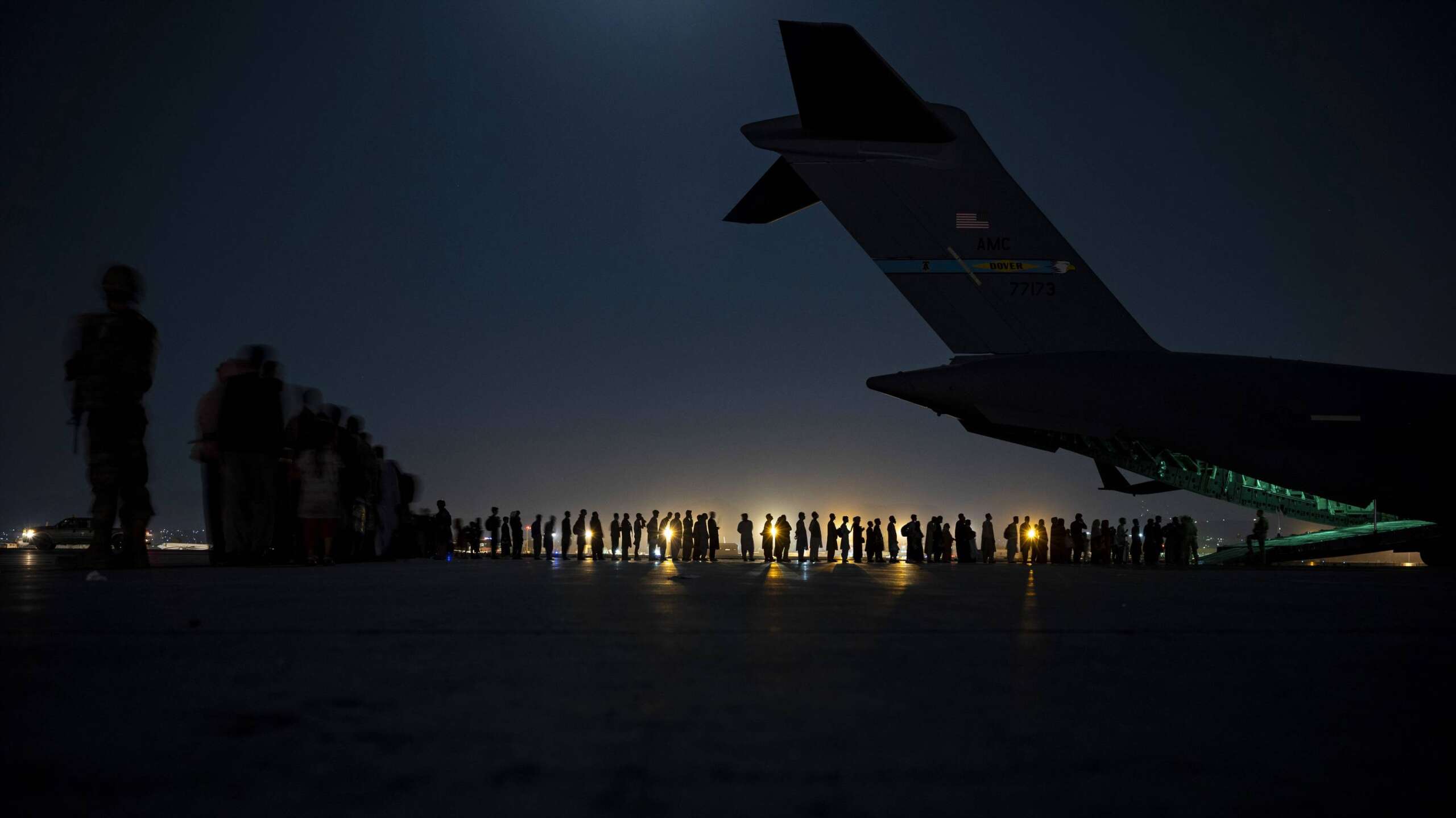
The abandonment of Kabul in August 2021 marked the end of a two-decade U.S. military presence in Afghanistan, yet the consequences for those who supported American efforts continue to unfold with devastating urgency. Thousands of Afghan interpreters, translators, and local employees who braved tremendous personal risk to assist U.S. forces now face an uncertain and perilous future under Taliban rule. Despite the existence of a dedicated immigration pathway designed to protect these individuals, that lifeline has been effectively severed. The Afghan Special Immigrant Visa program, once a beacon of hope, has been frozen by executive action, leaving our allies stranded and vulnerable.
The program was established precisely because the United States recognized its moral responsibility toward those who stood shoulder to shoulder with our troops in combat zones. These men and women provided critical linguistic and cultural support, often becoming targets for insurgent groups solely because of their association with American forces. The vetting process for the Special Immigrant Visa is already extraordinarily rigorous, involving multiple layers of background checks, interviews, and biometric screenings. Yet, despite this intensive screening, the issuance of visas to eligible Afghan applicants has been halted entirely by a presidential proclamation issued in 2025. This freeze has not spared those with approved cases, creating a bureaucratic purgatory where applications gather dust and lives hang in the balance.
Compounding this crisis is a largely overlooked systemic problem: the disappearance of employment records for the vast majority of Afghan hires. The U.S. government did not directly employ most of these individuals; they were contracted through private military and security firms, logistics companies, and construction contractors. Over the past two decades, the corporate landscape has shifted dramatically through mergers, acquisitions, and bankruptcies. The companies that once employed these Afghans no longer exist in their original form, and their successor organizations often lack accessible personnel files. This corporate churn has left thousands of applicants unable to produce the documentation required to prove their work history with U.S. entities. In many cases, the only remaining evidence of service resides in fragmented military records, which are cumbersome to retrieve and insufficient on their own to satisfy immigration authorities.
Addressing this paralysis requires two concrete policy shifts. First, the administration must immediately resume the processing and issuance of Afghan Special Immigrant Visas for all cases that have already been approved. To freeze a vetted and cleared population is not an act of security but of abandonment. Second, the immigration framework must adapt to the reality of missing corporate records. A practical solution would be to allow credible affidavits from U.S. military personnel, civilian government workers, or former employees of the contractors who personally served alongside the applicant. Such sworn testimony, submitted under penalty of perjury, could serve as a valid alternative to traditional employment verification letters. This approach honors the lived experience of those who served and acknowledges the structural failures that have made paper trails impossible to reconstruct.
The moral calculus is stark. The United States made promises to the Afghans who placed their trust in American institutions, and those promises must not be allowed to evaporate in the name of administrative convenience or shifting political priorities. The images of desperation at Kabul airport in 2021 are a searing reminder of what happens when evacuation efforts fall short; the current visa freeze risks creating a second wave of suffering for those who were not able to leave but who still believe in the values America claimed to uphold. Restoring the Afghan SIV program and fixing its evidentiary requirements is not merely an act of gratitude—it is a matter of basic honor.
**Frequently Asked Questions**
**What is the Afghan Special Immigrant Visa program?**
The Afghan Special Immigrant Visa (SIV) program is a U.S. immigration pathway created to resettle Afghans who worked for or on behalf of the American government in Afghanistan and who face threats because of that association. It is designed to provide a legal route to permanent residency and eventual citizenship for individuals whose safety is at risk due to their service.
**Why was the Afghan SIV program suspended?**
A presidential proclamation issued in 2025 suspended the issuance of all immigrant visas to Afghans, including those who had already been approved for SIV status. The stated rationale included concerns about national security and fraud prevention, though critics argue that the vetting process is already one of the most thorough in the U.S. immigration system.
**Who qualifies for an Afghan SIV?**
Eligibility generally extends to Afghan nationals who were employed by or on behalf of the U.S. government, including as interpreters, translators, drivers, and other support personnel for at least one year, and who can demonstrate that their employment placed them at risk. This includes individuals hired through private contractors, not just direct government employees.
**What happens to approved SIV applicants now?**
Approved applicants face indefinite delays. Their cases are effectively stalled, meaning they cannot proceed to the visa interview and issuance stages. Many are still in Afghanistan or in third countries, living under Taliban rule and fearing retribution for their past association with U.S. forces.
**Why are employment records for Afghan workers so difficult to obtain?**
The majority of Afghans who worked with U.S. forces were hired by private defense and contracting companies. Over the years, many of these companies were dissolved, merged, acquired by other firms, or went out of business. The transition of corporate records was often incomplete, and the U.S. government’s own archive of contractor employment data is vast but difficult to navigate, leaving applicants without the standard verification documents required by immigration authorities.
**What is the proposed solution for missing employment records?**
A practical alternative would be to accept sworn affidavits from U.S. military members, civilian government employees, or former contractors who personally worked with the applicant in Afghanistan. These documents would serve as credible proof of employment and service, replacing the need for corporate HR letters that no longer exist.
**What can individuals do to support Afghan allies?**
Public awareness and advocacy are critical. Citizens can contact their elected representatives to demand the resumption of SIV processing and the passage of legislation that addresses record-keeping gaps. Supporting organizations that specialize in refugee resettlement and legal assistance for Afghan evacuees is another meaningful way to contribute.
**Is there a timeline for fixing these issues?**
Currently, there is no definitive timeline. The resumption of visa issuance depends on policy decisions within the executive branch, and legislative efforts to reform the evidentiary standards are ongoing. Advocacy groups continue to push for immediate administrative action and long-term systemic reforms.
The United States has a unique opportunity to correct a profound injustice by reopening the Afghan SIV program and updating its requirements to reflect the chaotic reality of two decades of war. The cost of inaction is not just bureaucratic; it is measured in the safety and lives of people who kept faith with America when it mattered most. A renewed commitment to these allies would reaffirm the nation’s values and its word.
Thank you for reading
