



**Army Ends Experimental Drone Unit, Returning to Traditional Infantry Focus**
In a significant shift for the U.S. Army, a specialized drone warfare unit based in Europe has been ordered to cease its experimental work with unmanned systems and revert to its original role as an airborne infantry battalion. The move ends a nearly year-long effort by the 173rd Airborne Brigade to explore and develop drone tactics, inspired by the battlefield use of such technology in the Ukraine conflict.
The 173rd Airborne Brigade, headquartered in Italy and Germany, had been at the forefront of integrating drone operations into Army strategy. Soldiers were not only using drones but also designing and building their own, including first-person view (FPV) models, at a dedicated lab in Caserma Del Din, Italy. This initiative was part of a broader push to modernize the Army and enhance its technological edge, particularly in the realm of unmanned systems.
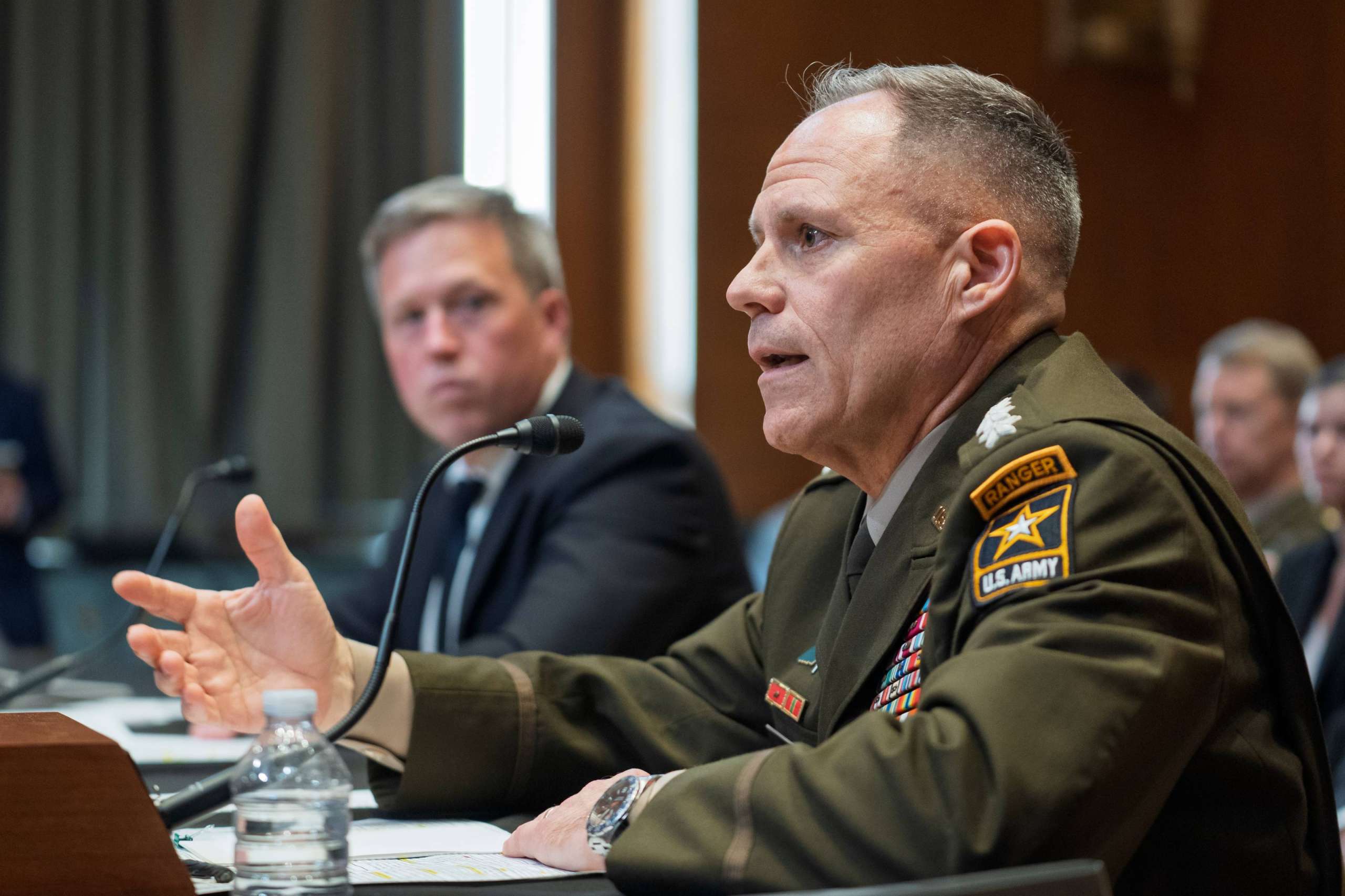
However, the directive from Army leadership, specifically from acting chief of staff General Christopher LaNeve, calls for the battalion to refocus on its core mission as an infantry unit. This decision comes amid a broader restructuring within the Army following the sudden ousting of General Randy George earlier this year. Despite the promising developments in drone warfare noted during the Ukraine conflict, Army leadership, under the Trump administration, has decided to discontinue the dedicated drone unit, choosing instead to prioritize traditional infantry capabilities.
The shift may also be influenced by recent events in the Middle East, where Iranian drone attacks have demonstrated the continued relevance and necessity of drone defense technologies. Nevertheless, the Army has indicated that the insights gained from the drone unit will be integrated into broader Army training and future exercises.
### FAQ Section
**Q: What was the primary mission of the 173rd Airborne Brigade’s drone unit?**
The unit was tasked with experimenting with and developing drone warfare tactics, including designing and building drones, to provide the Army with insights and feedback for future force development.
**Q: Why was the drone unit disbanded?**
The unit was ordered to end its drone operations and return to being a traditional infantry battalion, as part of a broader reshuffling under new Army leadership.
**Q: What technologies were the soldiers working with?**
Soldiers were working with FPV drones and exploring artificial intelligence, as well as designing drones resistant to jamming.
**Q: How will the Army use the lessons learned from this unit?**
The Army stated that the unit will deliver its findings to inform future force design and experimentation, ensuring that insights are not lost.
**Q: What is the broader context of this decision?**
The move comes during a period of significant change within the Army, including new leadership and a focus on adapting to future warfare technologies, while also balancing traditional infantry roles.
### Conclusion
The decision to disband the experimental drone unit within the 173rd Airborne Brigade marks a notable pivot in the Army’s approach to integrating advanced technologies. While the unit had made significant strides in drone warfare, the return to a traditional infantry focus underscores the ongoing debate about the balance between innovation and core military capabilities. As the Army continues to evolve, the lessons learned from this initiative will likely play a crucial role in shaping future strategies and technologies.
