



Based on the information from the provided post, I have written a new article about laptop cooling pads, complete with an FAQ section and a conclusion.
***
## The Ultimate Guide to Laptop Cooling Pads: Keep Your PC Cool in 2026
A great laptop doesn’t need to cost a fortune, and neither do the accessories that help it perform at its best. If you want to keep your system running smoothly on heavy workdays or marathon gaming sessions, a good cooling pad is a worthwhile investment. High temperatures can negatively impact PC performance, and consistent heat can lead to hardware failure over time.
The best laptop cooling pads improve airflow, reduce heat buildup, and provide thoughtful quality-of-life features. I’ve tested some top-rated cooling pads to help you make the most informed purchase. This list covers a wide variety, from budget-friendly devices to powerful models. For our June update, we tested the Liangstar Laptop Cooling Pad and the IETS GT20UB vacuum cooler.
### What is the best laptop cooling pad right now?
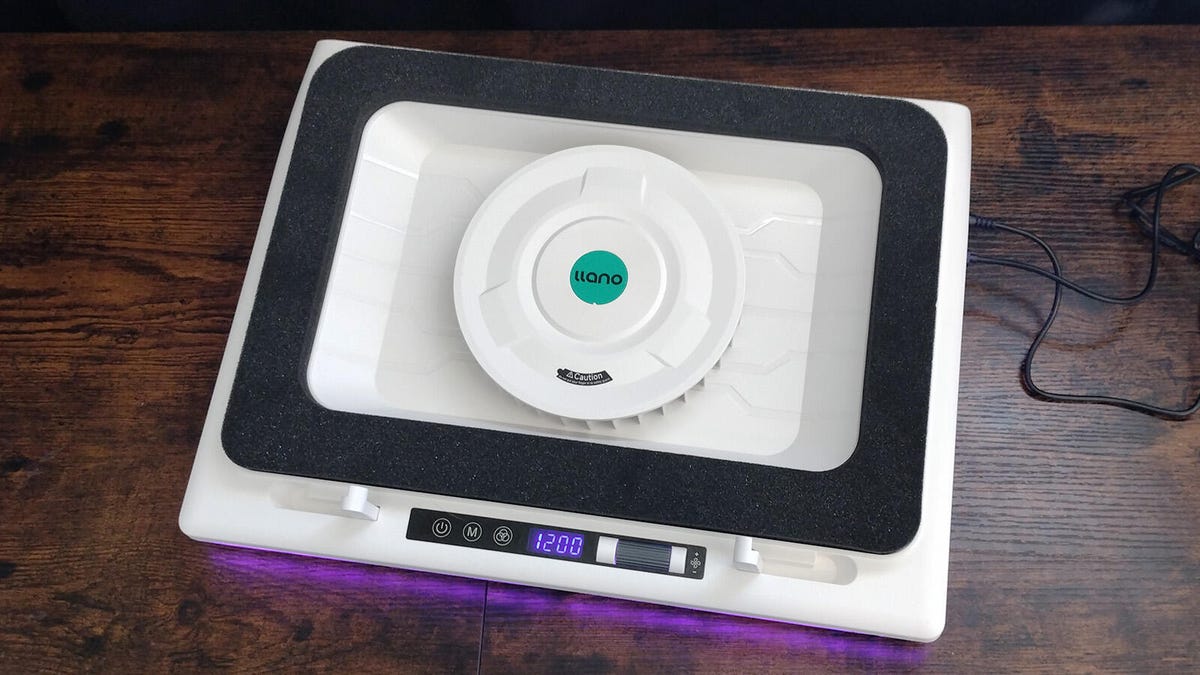
It was tricky to find the best option. Razer launched its first cooling pad back in 2024. It’s a great pick for gamers who want a pad with powerful fans and a sleek design. Havit’s HV-F2056 is a solid budget option. But our pick for the best overall is the **Llano Gaming Laptop Cooler**. It boasts powerful cooling that can cool even the hottest computers and features eye-catching RGB lighting. As much as we like it, it may not be the best choice for everyone. Below is a list of other notable cooling pads with different use cases that you may like more.
Also: [The best laptops of 2026: Expert tested and reviewed](https://www.zdnet.com)
### The best laptop cooling pads of 2026
*(The article details seven specific models: Llano V12, Klim Everest, Liangstar, IETS GT300 Double Blower, Razer Laptop Cooling Pad, Aicheson K1, and IETS GT202UB, complete with pros, cons, and specifications.)*
### Latest information on laptop cooling pads in 2026
Laptop cooling pads, as a product type, tend to be pretty static. I’ve been covering the topic for a few years now, and many devices are very similar to one another. The last major release that shook things up was the Razer Laptop Cooling Pad. It had a slew of innovative features, including artificial intelligence that automatically adjusts the cooling pad’s fan speeds to match the host laptop’s internal temperature. Beyond that, it tends to be stale. New models tend to launch without much fanfare.
I did see some new information from IETS. It appears that in February 2026, the company announced it would develop a new cooling pad, the IETS GT300 Plus. According to the announcement post, the GT300 Plus is supposed to boast enhanced cooling performance, better ergonomics, and customizable fan speeds among other improvements. As of this writing, the cooling pad hasn’t been released yet, nor do we know if it will be.
### Other laptop cooling pads we’ve tested
*(The article details the IETS GT500, Tecknet, and Aimiuzi models.)*
### FAQs
**Q: Do cooling pads actually work?**
**A:** Yes. Cooling pads significantly reduce a computer’s internal temperature. Prolonged exposure to high temperatures can seriously damage a laptop’s components over time. In fact, brief heat spikes can be enough to ruin a device, so it’s important to mitigate temperature levels.
**Q: Do I need a cooling pad for my laptop?**
**A:** It depends. For most laptops, I don’t think that you’ll need a cooling pad. Most workloads aren’t heavy enough to cause rapid temperature spikes. However, what I’m describing is a best-case scenario. If you frequently experience those heat spikes and your laptop runs hot for an extended period, you should definitely get a cooling pad — especially if it’s a gaming laptop. Gaming PCs have seen new advancements in cooling tech, but they still run hot. Having an extra source of cooling won’t hurt.
**Q: What are the disadvantages of a cooling pad?**
**A:** The main disadvantage of cooling pads is the noise. Fans spinning at a high RPM can be a little distracting. Not so loud that you can clearly hear them through a pair of headphones, but they can certainly disturb other people around you. If that’s an issue, I recommend keeping the fans at low RPM to reduce noise.
**Q: At what temperature should I be worried about my laptop?**
**A:** The normal operating temperature for a computer is between 40 and 65 degrees Celsius or 104 and 109 degrees Fahrenheit. During gaming, temperatures can rise to 70-80 degrees Celsius (158-176 degrees Fahrenheit). That sounds hot, but it’s totally fine. It’s even okay if internal temperatures spike to over 80 degrees Celsius. Problems start when your computer consistently runs at those higher levels. If your laptop consistently runs at around 80 degrees Celsius, you need to cool it down immediately.
### Conclusion
Choosing the right laptop cooling pad depends heavily on your specific needs and usage scenario. Whether you prioritize raw cooling power, ergonomic comfort, portability, or budget-friendliness, there is a suitable option available. The best cooling pad is the one that effectively manages your laptop’s heat dissipation without compromising your workspace or workflow. By considering factors like fan output, build quality, and size, you can ensure your laptop runs cooler, quieter, and lasts longer.
