



**Addressing the Rising Threats Against Public Servants: A Call for Action**
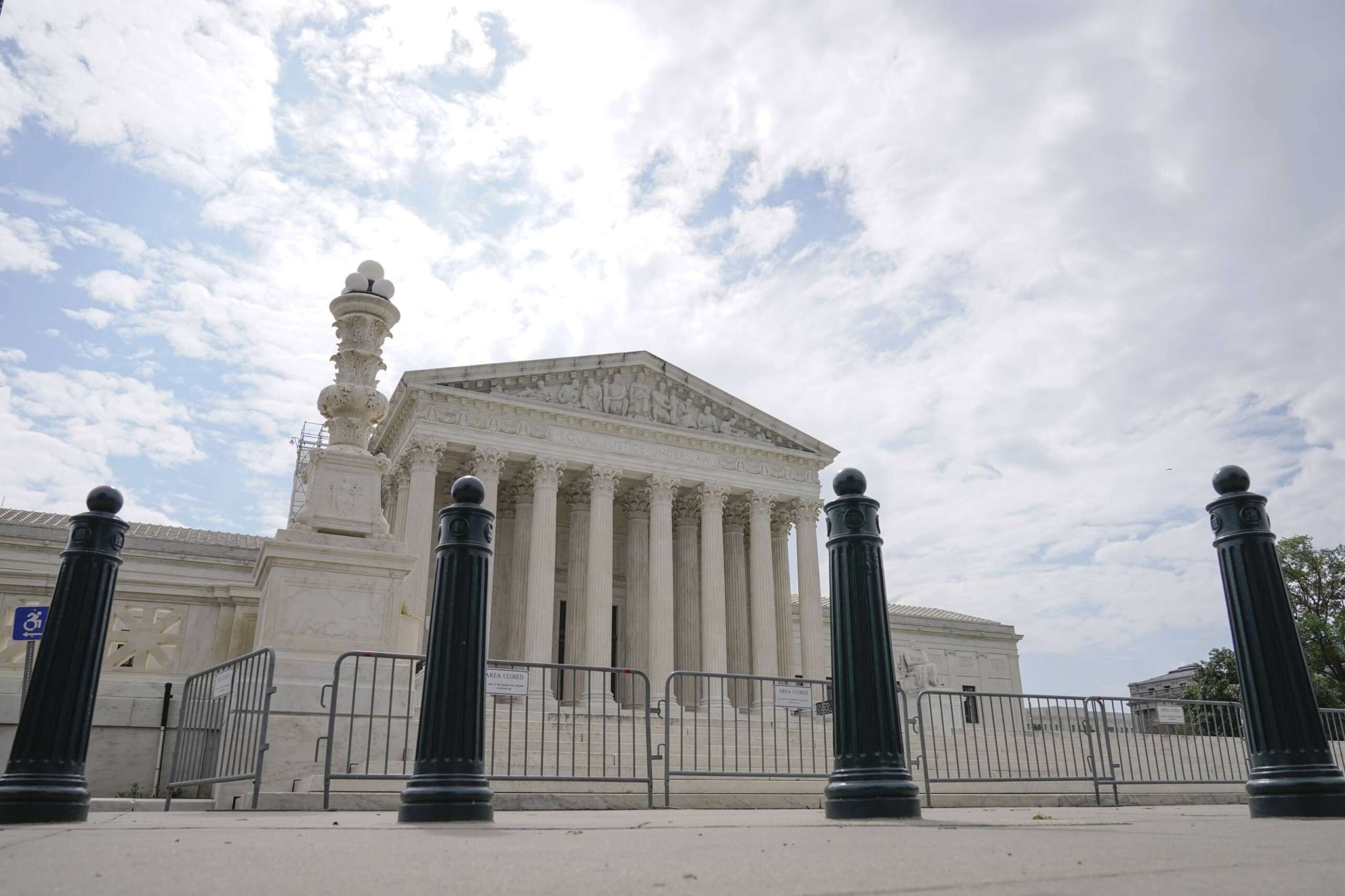
The safety of public servants has become a critical issue in recent years, highlighted by the recent in-person testimony of Supreme Court Justices Amy Coney Barrett and Elena Kagan before Congress. This unprecedented appearance brought attention to the escalating threats and security concerns facing members of the Supreme Court. The justices’ testimony underscored the urgent need for increased resources and comprehensive measures to protect public servants at all levels.
### The Unusual Appearance of Supreme Court Justices
The appearance of Justices Barrett and Kagan on the Hill marked the first in-person testimony by Supreme Court justices since 2019. According to Isa Ulloa, founder and CEO of the Public Service Alliance, this event is a stark reminder of the growing threats that have become increasingly prevalent. The justices’ personal stories, including having to explain the necessity of a bulletproof vest to a 12-year-old son and dealing with a swatting incident involving another child, highlight the personal toll these threats take.
### The Broader Impact on Public Servants
The threats faced by public servants are not limited to high-profile figures like Supreme Court justices. Women and people of color are disproportionately affected, facing higher risks across the board. The human costs are staggering, ranging from the tragic murder of a 20-year-old son of a judge in New Jersey to the harassment and violence against local officials and educators. The emotional and psychological impacts on families are profound, forcing parents to have difficult conversations with their children about safety and security at much earlier ages than necessary.
### When Threats Become a Justice System Problem
Violent threats against judges and other public servants have been on the rise for over a decade. These threats manifest in various forms, including death threats, intimidating messages, cybersecurity attacks, doxing, and swatting incidents. Ulloa emphasized that while there are existing legal frameworks to address these crimes, the focus must also be on prevention and ensuring that the consequences of such actions are widely publicized to act as a deterrent. Additionally, there is a need for a government-wide conversation on how to appropriately allocate security resources to match the current threat environment.
### Steps to Address the Root Causes
Ulloa proposed several common-sense, non-partisan solutions to address the root causes of these threats:
1. **Approve and Expand Security Resources**: Increase funding and resources for security measures, ensuring that they are effectively implemented and not just a temporary fix.
2. **Adopt a Public Health Approach to Violence Prevention**: Utilize behavioral threat assessment and management teams, which have been shown to be effective in preventing violence. Additionally, implement funding for off-ramps and mental health resources to de-escalate potential threats.
3. **Enhance Data Privacy**: Strengthen laws like New Jersey’s Daniel’s Law to protect personal information, making it harder for threats to locate and target individuals.
4. **Promote Civility and Condemn Violence**: Encourage bipartisan leaders to issue high-profile condemnations of violence and calls for civility, which can help lower the overall temperature of public discourse.
5. **Leverage Technology and Partnerships**: Utilize tools and technologies that can help prevent violence and provide support to public servants. Building partnerships with commercial companies that offer relevant tools can make these resources more accessible and affordable.
### Conclusion
The threats facing public servants are a pressing issue that requires immediate and comprehensive action. The testimony of Supreme Court Justices Barrett and Kagan serves as a critical reminder of the need to protect those who serve our country. By adopting a multi-faceted approach that includes increased resources, prevention strategies, and a commitment to civility, we can begin to address the root causes of these threats and ensure the safety and well-being of all public servants.
**FAQ**
**Why did Supreme Court Justices Barrett and Kagan testify in person?**
Justices Barrett and Kagan testified in person to highlight the rising threats against public servants and to request additional funding for personal and building security. This was their first in-person testimony since 2019, underscoring the severity of the threat environment.
**Who is disproportionately affected by threats to public servants?**
Women and people of color are disproportionately affected by threats to public servants, facing higher risks across all levels of government and public service.
**What are some proposed solutions to address these threats?**
Proposed solutions include increasing security resources, adopting a public health approach to violence prevention, enhancing data privacy laws, promoting civility and condemning violence, and leveraging technology and partnerships to provide necessary tools and support.
**What is the Public Service Alliance’s role in addressing these threats?**
The Public Service Alliance, led by Isa Ulloa, is advocating for common-sense, non-partisan solutions to protect public servants. They are working to raise awareness, promote prevention strategies, and build a marketplace of vetted tools and resources to make safety measures more accessible and affordable.
**How can the government ensure the effective use of additional security funding?**
The government should ensure that additional funding is used to build in-house capacity for sustainable protection, align resources with the expertise of actual operators, and implement well-informed plans that address the current threat environment effectively.
