



**Fort Bliss Data Center Project Faces New Legislative Challenges**
A significant legislative proposal is gaining traction that could dramatically alter how the Department of Defense (DoD) modernizes its infrastructure. Recently, a provision aimed at blocking the Defense Department from leasing its land to private companies for data center construction—specifically targeting components made by U.S. adversaries—passed a key committee hurdle. This move, while praised for national security proponents, has ignited a fierce debate between lawmakers concerned with supply chain integrity and military leaders who warn of severe operational and financial consequences.
### The Legislative Push for Security
The provision, championed by Rep. Cory Mills (R-Fla.) and incorporated into the House Armed Services Committee’s version of the fiscal 2027 defense authorization bill, seeks to prohibit the installation and operation of data center equipment containing certain printed circuit boards, advanced semiconductors, and chipsets deemed a national security risk by the DoD.
“The bill protects national security, promotes American businesses, and builds industry capability,” Rep. Mills stated after the committee’s approval, framing the amendment as a necessary step to safeguard military installations from foreign technological influence.
### Military Concerns: Cost, Complexity, and Land Use
However, the U.S. Army has pushed back hard against the proposal. According to Federal News Network, service officials argue the amendment would create an “unworkable standard.” They contend it would impose unique restrictions on companies building on federal land that do not apply to similar private-sector projects, potentially scaring away critical private capital.
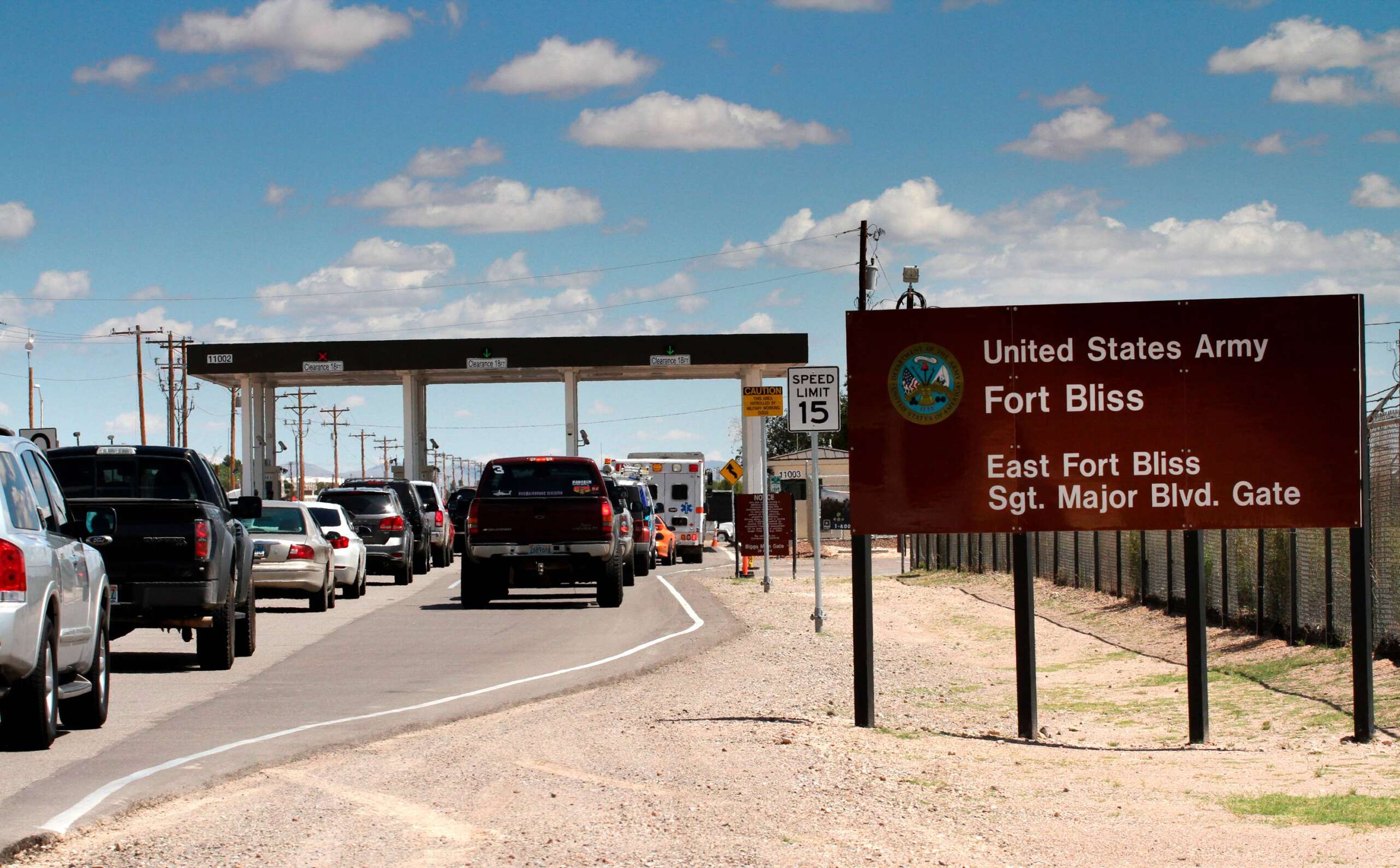
The concern is not merely theoretical. The Army has already forged major partnerships with private equity firms to expedite its data center modernization. Notably, the DoD has selected the Carlyle Group to construct a massive data center at Fort Bliss in Texas and CyrusOne to develop a project at Dugway Proving Ground in Utah. The Fort Bliss facility is on track to reach initial operational capability in fiscal year 2027.
“Drive world-class commercial partners — and over $1.3 billion in private capital — away from Army land,” the Army warned, highlighting the financial and logistical pitfalls of the proposed restrictions.
### A Broader Policy Battle
The dispute over Fort Bliss and Dugway is part of a larger, rapidly evolving Pentagon strategy to open unused military lands to commercial data center development. This push aligns with the broader national priority to dominate artificial intelligence (AI) infrastructure. Yet, it has drawn criticism from lawmakers who argue these projects place unsustainable strain on local energy and water resources.
House appropriators have mandated that the Pentagon conduct comprehensive environmental and community impact assessments before any physical construction begins. The evaluation must examine energy and grid demands, water usage, physical security risks, and cumulative effects on nearby communities.
The legislative fight intensified further when Rep. Mike Rogers (R-Ala.), chairman of the House Armed Services Committee, dismissed the amendment as a hurdle to maintaining technological supremacy over China. Conversely, Rep. Rashida Tlaib (D-Mich.) introduced a more sweeping bill that would ban AI data centers on all federal lands, arguing that the projects unfairly burden taxpayers and public health.
—
### FAQ Section
**Q: What does the new amendment proposed by Rep. Cory Mills aim to do?**
A: The amendment seeks to prohibit the U.S. Department of Defense from leasing its land to private companies to build data centers that utilize specific computing components—such as certain printed circuit boards, advanced semiconductors, and chipsets—manufactured by U.S. adversaries.
**Q: Which companies have been selected to build data centers on military land?**
A: The Army has selected the Carlyle Group Inc. to build a data center at Fort Bliss in Texas and CyrusOne (a joint venture between KKR and BlackRock) to develop a project at Dugway Proving Ground in Utah.
**Q: Why are military leaders opposing the amendment?**
A: Military leaders, including those from the Army, argue that the amendment creates an “unworkable standard” that will deter world-class commercial partners. They warn it could drive away over $1.3 billion in private capital essential for modernizing defense infrastructure.
**Q: What are the main concerns of lawmakers who support the restriction?**
A: Lawmakers supporting the ban are primarily concerned with national security, aiming to prevent adversarial technology from infiltrating sensitive military systems. Additionally, other lawmakers highlight environmental and community impacts, stressing the need to assess energy, water, and security risks before construction.
**Q: What is the stance of Rep. Rashida Tlaib regarding data centers on federal land?**
A: Rep. Tlaib introduced a bill to bar the construction of AI data centers on federal land entirely. She argues that communities are already suffering from smog and high utility bills and that the push for data centers exacerbates these issues.
—
### Conclusion
The battle over data centers on military bases encapsulates the complex trade-offs between national security, technological advancement, and fiscal pragmatism. While lawmakers like Rep. Mills argue that preventing foreign influence in critical infrastructure is paramount, military officials and industry partners warn that such restrictions could cripple modernization efforts and strain vital public-private relationships. As the defense authorization bill progresses, the outcome of this debate will likely define the federal government’s data center strategy for years to come, balancing the imperatives of security against the realities of implementation.
