



**Navigating the New Reality: How Standards Are Fighting AI Image Fraud**
*(Photo Credit: The Washington Post via Getty Images)*
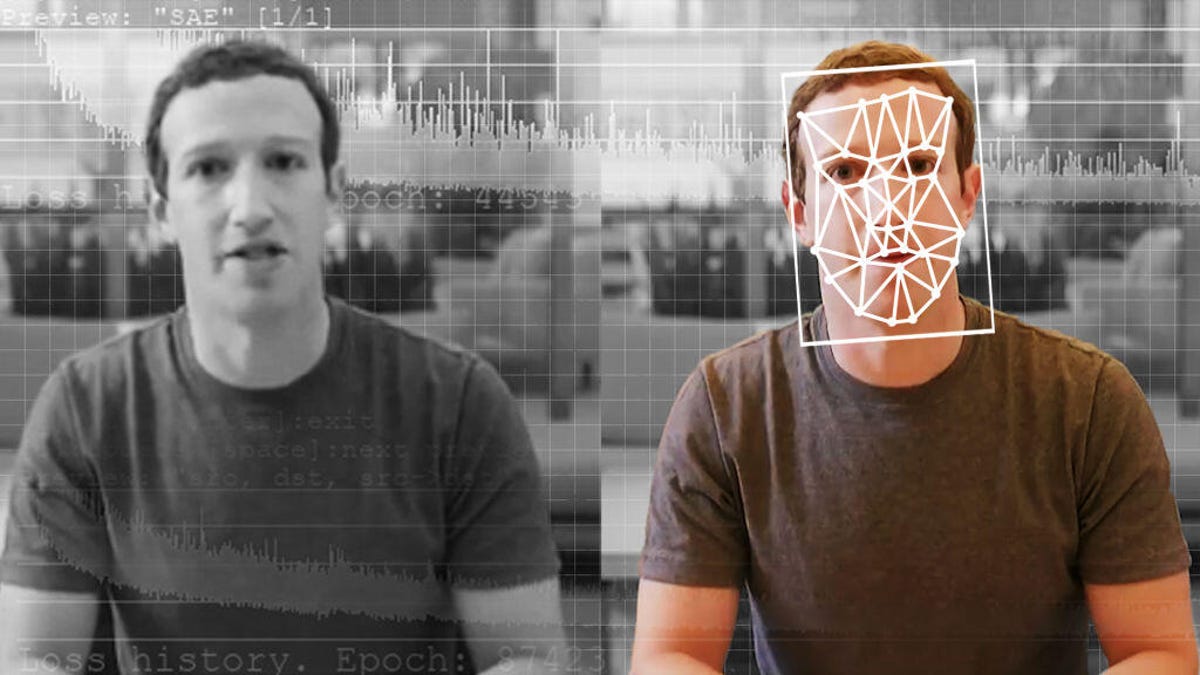
In an age where pixels can lie, the line between reality and fabrication has never been thinner. AI-generated images are becoming indistinguishable from real photographs, creating a full-blown credibility crisis that threatens journalism, evidence, and trust online. Recognizing the urgency, international standards bodies are moving fast to deploy new frameworks designed to authenticate digital content.
Here’s what you need to know about the new standards aiming to save truth in the visual age.
***
### The Credibility Crisis: When a Picture is Worth a Thousand Deceptions
Generative AI has unlocked an unprecedented ability to create photorealistic fake imagery at scale. This “slop” content is flooding social media, complicating criminal investigations, and eroding public trust. The stakes are massive: financial fraud alone could cost the US up to **$40 billion by 2027**, a dramatic increase from recent years.
The core problem is simple: **AI or real?** Images now have a credibility problem.
### Enter the Standards: What the IEC and ISO Are Building
To combat this, the International Electrotechnical Commission (IEC) and the International Organization for Standardization (ISO) are leading the charge. They are developing a suite of standards designed to provide “trust indicators” and verification tools directly within the files we see every day.
These efforts were recently highlighted at the AI for Good conference in Geneva, under the auspices of the UN.
**The Two-Pronged Approach:**
1. **JPEG Trust Standards:** This is the cornerstone of the new framework. It focuses on embedding cryptographic metadata and “trust indicators” directly into JPEG files. This data acts like a digital fingerprint, tracing the origin and history of an image.
2. **New Supplement: JPEG Trust Part 2 & 3:**
* **Part 2** introduces a catalog of “trust profile snippets” and reporting templates, allowing different industries (broadcasting, cameras, AI content services) to customize how they handle verification.
* **Part 3** introduces media asset watermarking, providing an additional layer of visible or invisible marks to prove authenticity.
### Key Takeaways from the Experts
* **Trust is Contextual:** As Touradj Ebrahimi, a leading professor at the Swiss Federal Institute of Technology, explains, “Trust is very context-dependent.” Who are you, and what are you using this for? A photo might be trusted in one scenario but not another.
* **It’s a Tool, Not a Judge:** Crucially, these standards are not designed to automatically label something as “fake.” Instead, they provide the *data* so that **you**—the user, the editor, the investigator—can make an informed decision. As Ebrahimi puts it, the standard “gives you means so that you can decide based on your content and your profile.”
* **The Fraudster’s Dilemma:** Bad actors won’t label their doctored content. Therefore, these standards rely on a “chain of custody” mentality, documenting the provenance of content from the moment it is created.
### What This Means for You
While efforts to identify deepfakes have so far been fragmented, these new international standards represent the first coordinated, systemic attempt to address the issue. They aim to shift the burden of verification from the individual to the infrastructure of the internet itself.
***
### FAQ
**Q: Can these new standards automatically detect AI-generated images?**
**A:** No. The JPEG Trust standards do not automatically flag or label images as AI-generated. They embed metadata that provides a history and context for the image. The final decision on authenticity still rests with the user or the organization reviewing the content.
**Q: Will these standards stop deepfakes from being created?**
**A:** No. The standards are a defensive measure. They are designed to help identify and verify the source of content after it has been created, making it harder for fakes to be passed off as real.
**Q: Who is behind these new image standards?**
**A:** The standards are being developed by the International Electrotechnical Commission (IEC) and the International Organization for Standardization (ISO), two of the world’s leading international standards bodies.
**Q: What can I do to verify an image today?**
**A:** While the new standards roll out, tools like reverse image searches, checking the source, and looking for inconsistencies remain the best immediate methods. The long-term goal is for software and platforms to begin automatically reading and trusting these embedded metadata indicators.
***
### Conclusion
The rise of AI-generated imagery has created a pivotal moment for digital trust. The collaboration between the IEC and ISO on frameworks like JPEG Trust represents a significant step forward. By embedding verifiable data directly into our files, we are building a digital infrastructure for truth. While these standards empower users to make better decisions, their ultimate success will depend on universal adoption. In the battle between pixels and reality, having the right metadata is our strongest new weapon.
