



**What I Learned the Hard Way About Battery Power During a Blackout**
Follow ZDNET: Add us as a preferred source on Google.
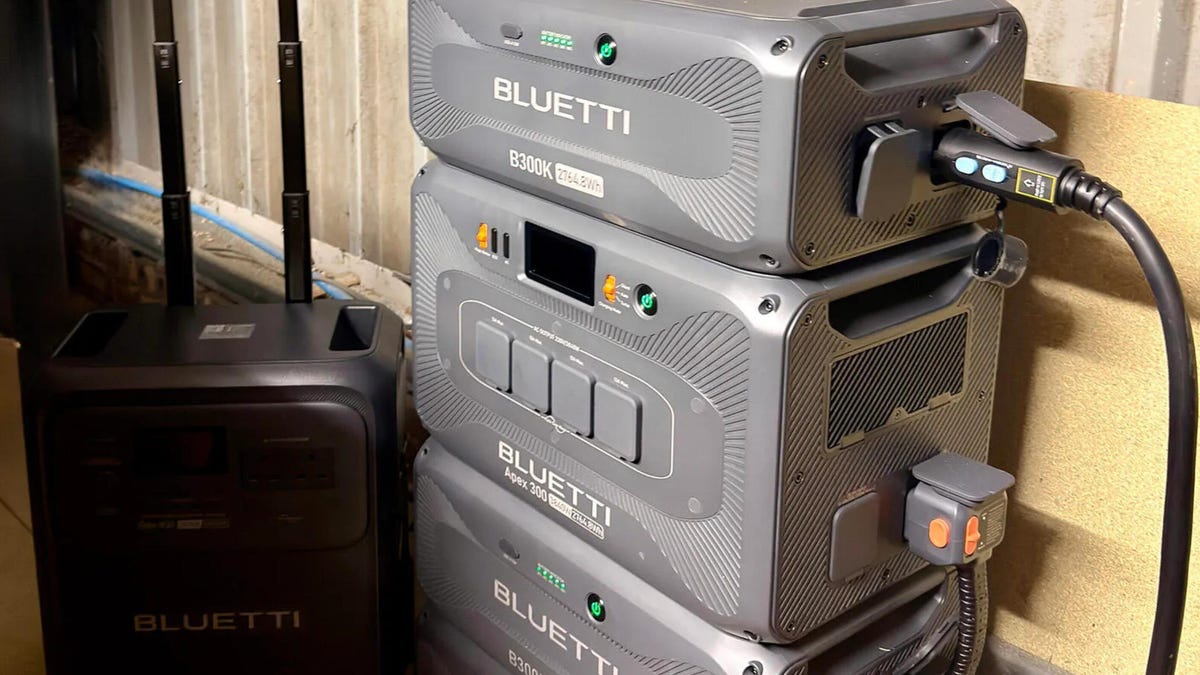
Having a home battery backup system is one of those things you think you have planned perfectly until a real-world scenario exposes the flaws. I recently experienced this firsthand when a sudden blackout hit, and my carefully planned setup fell short. With 11 kWh of battery power—enough to run a small home for days—I expected to be comfortable and prepared. Instead, I ended up wasting power, cooking a battery in the heat, and ultimately losing my fridge and its contents.
This wasn’t just about bad luck; it was a learning experience that highlighted critical gaps in my planning and setup. Here’s what went wrong and what you can do to avoid making the same mistakes.
—
### **The Three Key Problems During the Blackout**
#### **1. Power Outages Don’t Give You Any Warning**
Blackouts are sudden. One minute, the power is on; the next, it’s gone. This was certainly true when the blackout hit while I was away from home. Not only was the power cut, but the local fiber and cellular infrastructure was also briefly taken down, leaving me unable to manage my network or power systems remotely.
By the time I returned, my router had reset itself, systems that could have been turned off were still running, and my fridge and freezer—which I’d deprioritized—were left without power for hours. Per USDA guidelines, an unopened refrigerator can be safe for up to four hours, but a freezer requires 24–48 hours to maintain safe temperatures. Unfortunately, mine was unusable after just a few hours.
**What Could Help:**
– Consider using **Starlink** or another satellite internet option for more robust connectivity during outages.
– Use a **cellular modem or smart router** with a built-in SIM card for remote monitoring and control.
– Look into accessories like the **iSocket Plug-n-Go**, which allows for remote power management without relying on local Wi-Fi.
#### **2. Heat Can Throttle Your Power Station**
I assumed the heatwave would mainly impact the grid, not my carefully planned battery system. However, I learned that high temperatures can significantly affect battery performance. My Bluetti Apex 300, for example, has an upper temperature limit of 104°F (40°C) for both charging and discharging.
During the outage, the room housing my battery setup became too hot, causing the system to throttle its output and eventually shut down. While I didn’t lose power entirely, the throttling could have caused serious issues if the blackout had lasted longer.
**Temperature Ratings for Popular Power Stations:**
| **Model** | **Charging Temp** | **Discharging Temp** | **Storage Temp** |
|————————-|————————-|————————–|————————-|
| Bluetti Apex 300 | 0°C to 40°C (32°F–104°F)| -20°C to 40°C (-4°F–104°F)| -20°C to 40°C (-4°F–104°F)|
| Jackery Explorer 2000 v2| 0°C to 45°C (32°F–113°F)| -10°C to 45°C (14°F–113°F)| Not specified |
| EcoFlow Delta Pro 3 | 0°C to 45°C (32°F–113°F)| -10°C to 45°C (14°F–113°F)| -10°C to 45°C (14°F–113°F)|
To avoid this:
– Keep your battery systems in a cool, shaded area.
– Plan for ventilation and temperature control, especially during summer outages.
#### **3. Getting Power Where It’s Needed Is Easier Said Than Done**
My battery system is impressive—but it weighs nearly 300 pounds. Moving it to where it’s needed most is a logistical challenge. While extension cords might seem like a simple solution, they introduce significant safety risks, including fire hazards, trip risks, and electrocution.
The Bluetti Elite 400, with its wheels and pull-along handle, is a step in the right direction for portability. However, at 86 pounds, it’s still cumbersome to move around.
**A Potential Solution:**
– **Plug-in solar systems**, where solar and battery power integrate with a microinverter, could allow for easier distribution of power through standard AC outlets.
—
### **FAQ**
**Q: How much battery power do I need to power a home during a blackout?**
A: It depends on your energy needs. A 11 kWh system, like the one I used, can power a small home for days. However, factors like appliance efficiency and duration of the outage play a significant role.
**Q: Can heat really affect my battery backup system?**
A: Yes. High temperatures can cause power stations to throttle their output or shut down entirely to protect the battery. Always keep your system within the recommended temperature range.
**Q: Are extension cords safe to use with battery power stations?**
A: While they may work temporarily, extension cords can introduce significant safety risks, including fire hazards and electrocution. They’re best avoided for regular use.
**Q: What can I do to improve remote access during a power outage?**
A: Consider using satellite internet options like Starlink or smart routers with cellular capabilities for uninterrupted remote management.
**Q: What’s the best way to ensure my refrigerator stays powered during an outage?**
A: Prioritize your refrigerator and freezer for power, and avoid opening the doors unnecessarily. A battery system with sufficient capacity and a well-planned setup can make all the difference.
—
### **Conclusion**
The blackout was a wake-up call. Despite my preparations, I encountered issues with planning, temperature management, and power distribution that I hadn’t fully anticipated. The key takeaway? Backup power systems require careful planning, thoughtful setup, and an understanding of real-world challenges. By addressing these issues ahead of time, you can ensure that your home remains powered and safe, no matter what the grid throws your way.
