



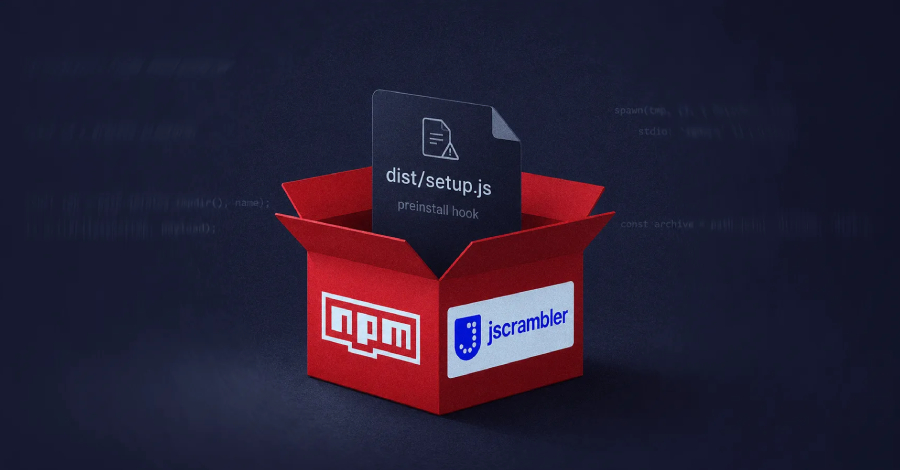
## Understanding the jscramber npm Package Compromise
In July 2026, the developer community was shaken by a significant security breach involving the jscrambler npm package. What began as a routine package update turned into a critical security incident when version 8.14.0 was found to contain a malicious payload. This compromised version installed a sophisticated Rust-based infostealer that targeted developers’ machines, putting sensitive credentials and development environments at risk. The incident highlighted the vulnerability of the npm ecosystem and the sophistication of modern supply chain attacks.
The malware specifically targeted development environments, seeking cloud credentials, cryptocurrency wallets, browser data, and AI tool configurations. What makes this incident particularly concerning is how the malicious code was carefully hidden from public view, with the harmful files existing only in the published package but not in the project’s public GitHub repository. This suggests a breach of the maintainer’s account or build process. Understanding the full scope and implementing proper security measures becomes crucial for any developer who may have been exposed to this compromised version.
## Key Findings and Technical Details
The compromised jscrambler version 8.14.0 contained several malicious components that were cleverly disguised:
– **Installation Method**: The package included a preinstall hook that automatically executed during installation, requiring no user approval on older npm clients
– **Malicious Payloads**: Three separate binaries (Windows, macOS, and Linux) were bundled within the package, each approximately 7.8MB in size
– **Stealth Techniques**: The binaries were loaded through setup.js and disguised with random names in system temp directories
– **Persistence Mechanisms**: The malware established persistence through hidden scheduled tasks on Windows and LaunchAgents on macOS
– **Data Exfiltration**: The Rust-based infostealer targeted cloud credentials, cryptocurrency wallets, browser data, and AI tool configurations
## What Makes This Incident Particularly Concerning
Several factors make this npm compromise especially alarming:
1. **Targeted Attack**: Unlike random malware distribution, this specifically targeted development environments where valuable credentials and access tokens are stored
2. **Platform Coverage**: The malware affected all major operating systems (Windows, macOS, and Linux)
3. **Stealth Capabilities**: The use of eBPF on Linux and anti-debugging measures on Windows and macOS shows advanced techniques
4. **Supply Chain Vulnerability**: The attack exploited the trust developers place in legitimate npm packages
5. **Timing**: The attack occurred shortly after npm 12’s release, which had changed default behavior regarding install scripts
## FAQ Section
**Q: How can I check if I’ve been affected by the compromised jscrambler package?**
A: Check your lockfiles and package-manager logs for jscrambler@8.14.0. Also examine CI records for any run of dist/setup.js from July 11 onwards. On Windows, check Task Scheduler for hidden tasks, and on macOS, inspect ~/Library/LaunchAgents for unfamiliar plists.
**Q: What should I do if I installed the compromised version?**
A: Immediately rotate all cloud credentials, npm and GitHub tokens, and AI-tool API keys. Revoke Discord, Slack, browser, and Bitwarden sessions. Move any cryptocurrency from wallets on the affected host and block the identified command-and-control IP addresses.
**Q: Which versions are safe to use now?**
A: Version 8.15.0 has replaced 8.14.0 and shows no malware indicators. You can safely upgrade to this version or pin to 8.13.0, which was the last clean release before the incident.
**Q: Was this attack limited to jscrambler users?**
A: While the initial impact was on jscrambler users, the broader concern is about supply chain security. The techniques used in this attack could be replicated with other packages, making all developers potentially vulnerable to similar threats.
**Q: How did the attackers gain access to publish malicious packages?**
A: The specific method hasn’t been publicly confirmed, but it likely involved compromising a maintainer account or build pipeline. The fact that the malicious files existed only in the npm package but not in the public GitHub repository suggests access to the publishing mechanism rather than the source code itself.
## Conclusion
The jscrambler npm package compromise of 2026 serves as a stark reminder of the evolving threats in the software supply chain. What began as a legitimate development tool became a sophisticated attack vector for stealing sensitive credentials and developer information. The incident underscores the importance of vigilance in dependency management, regular security audits, and immediate response to potential compromises.
For developers and organizations, the key takeaways are clear: maintain strict control over package versions, implement runtime security monitoring, and have incident response plans in place. The fact that this attack specifically targeted development environments should heighten awareness about the value of developer workstations as prime attack targets. As the software supply chain continues to grow in complexity, both package maintainers and consumers must remain proactive in securing their development ecosystems against increasingly sophisticated threats.
