



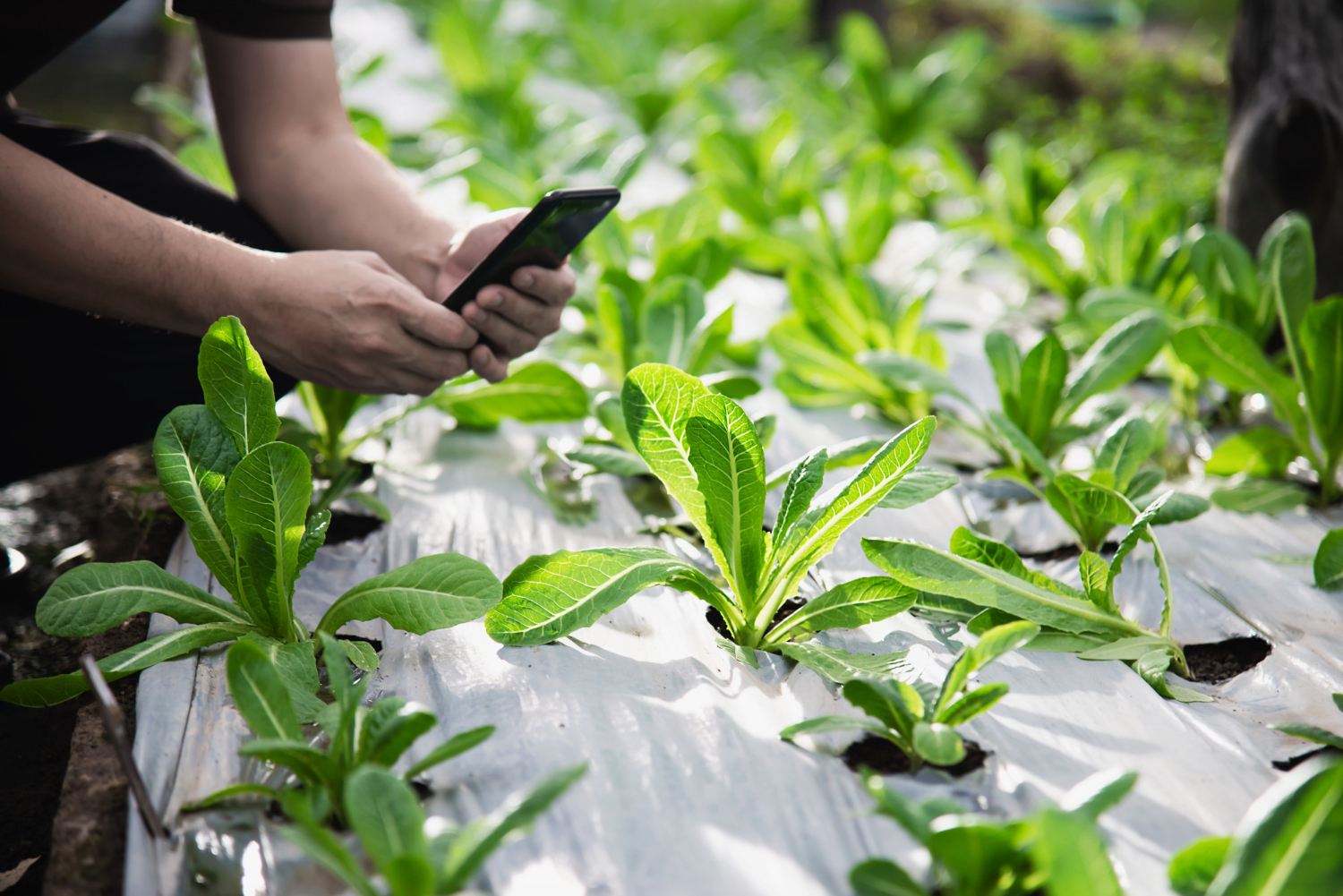
**LoRaWAN Revolutionizes Smart Agriculture Connectivity**
The agricultural landscape is undergoing a significant transformation, driven by the adoption of the LoRaWAN standard. The LoRa Alliance, the organization responsible for defining and promoting this open, non-profit connectivity protocol, has announced that LoRaWAN has become the preferred method of connection for smart agriculture, spanning from individual farms to extensive national initiatives.
This development is particularly significant given the inherent challenges of agricultural environments. Fields, livestock, and vital assets are often located in remote areas, far beyond the reach of traditional power sources and reliable network infrastructure. LoRaWAN’s unique capabilities directly address these obstacles.
According to Alper Yegin, CEO of the LoRa Alliance, “LoRaWAN is winning in the Smart Agriculture market for one simple reason: it reaches where farming actually happens.” As the leading LPWAN (Low Power Wide Area Network) technology, it offers the highest accessibility, the most robust ecosystem support, and the widest global adoption. This allows it to connect remote fields, moving herds, or entire estates, addressing specific agricultural needs without the high cost and complexity associated with cellular, Wi-Fi, or Bluetooth alternatives.
### Why LoRaWAN is Ideal for Farming
LoRaWAN has established itself as a fourth pillar in the IoT connectivity landscape, complementing traditional technologies like cellular, Wi-Fi, and Bluetooth. Its specific strengths, however, make it exceptionally well-suited for the demands of modern agriculture:
* **Long Range:** A single gateway can cover vast expanses of fields and pastures, eliminating the need for dense infrastructure.
* **Low Power:** Sensors and tracking devices can operate for years on small or solar-powered batteries, reducing maintenance.
* **Low Cost:** Utilizing free, unlicensed spectrum means there are no SIM fees, spectrum charges, or expensive per-device data plans.
* **Highest Accessibility:** Deploying a LoRaWAN network is more convenient than setting up cellular, Wi-Fi, or Bluetooth in distributed outdoor locations. Farmers can establish their own networks even in remote regions without existing infrastructure.
* **Satellite-backed:** LoRaWAN’s reach extends further; where terrestrial network coverage ends, satellite connectivity can maintain the network, ensuring even the most isolated fields remain connected.
* **Robust Ecosystem:** With over 650 certified devices from more than 334 LoRa Alliance members, growers have access to the broadest range of sensors and gateways available.
* **Global Adoption:** The technology has seen widespread implementation, with over 125 million devices connected globally by the end of 2025.
### Real-World Applications and Success Stories
These advantages are already translating into tangible benefits for farmers worldwide. Here are a few examples:
* **Early Disease Detection in Ghana and Brazil:** The Banalytics project utilizes satellite-connected LoRaWAN sensors to detect Black Sigatoka, a devastating banana disease, before symptoms appear. By monitoring temperature, humidity, and soil nutrients across a hectare, the system helps growers reduce fungicide use and protect yields in remote locations.
* **Livestock Tracking in Australia:** MooField’s lightweight, solar-powered GPS ear tags provide real-time herd location for cattle grazing across vast properties. Built on LoRaWAN gateways, the system functions without mains power, a capability no other LPWAN technology can match in such remote scenarios.
* **Labor Reduction on a Malaysian Durian Estate:** By deploying over 20 LoRaWAN soil sensors across 80 hectares and 6,000 trees, MIE Agro Farm has eliminated the need for two hours of daily manual checks. The long-lasting sensors and extensive gateway coverage have automated data collection, freeing staff for other critical tasks.
* **Water Optimization in Bulgaria:** A large-scale producer of watermelons and cabbages used LoRaWAN soil moisture, temperature, and humidity sensors to eliminate guesswork in irrigation. This precision-led approach improved crop health while significantly cutting water costs and waste.
The flexibility of a single LoRaWAN network is a key differentiator. It can support a wide array of functions simultaneously, including soil and nutrient monitoring, precision irrigation, microclimate tracking, frost alerts, and security for gates and equipment. Furthermore, the network can easily expand to manage water reservoirs, tank levels, grain silos, cold storage, and even beehive monitoring or aquaculture water quality.
Because LoRaWAN is an open standard, farmers can start by connecting a single application and seamlessly add more over time on the same network, without investing in new infrastructure.
“The opportunity in Smart Agriculture is to turn isolated fields into connected, intelligent environments,” concluded Yegin. “When environmental data becomes action, agriculture gets more productive, more sustainable and more resilient, at scale.”
***
**Source:** IoT Now – “LoRa Alliance: LoRaWAN is the connectivity method of choice for smart agriculture”
