



# Benjamin Franklin’s Forgotten Legacy: The Art of Prevention and Why It Remains Invisible
When most people think of Benjamin Franklin, they picture a kite flying in a thunderstorm or a diplomat negotiating the foundations of a new nation. But according to Dr. Barry Davis, Professor Emeritus of Public Health at the University of Texas School of Public Health and author of *The Preventioneers: Diseases, Disasters, and the Discoveries that Changed Our World*, Franklin’s most enduring contribution may be something far more fundamental — the idea that a free society survives by acting before problems become crises.
## The Birth of a Phrase
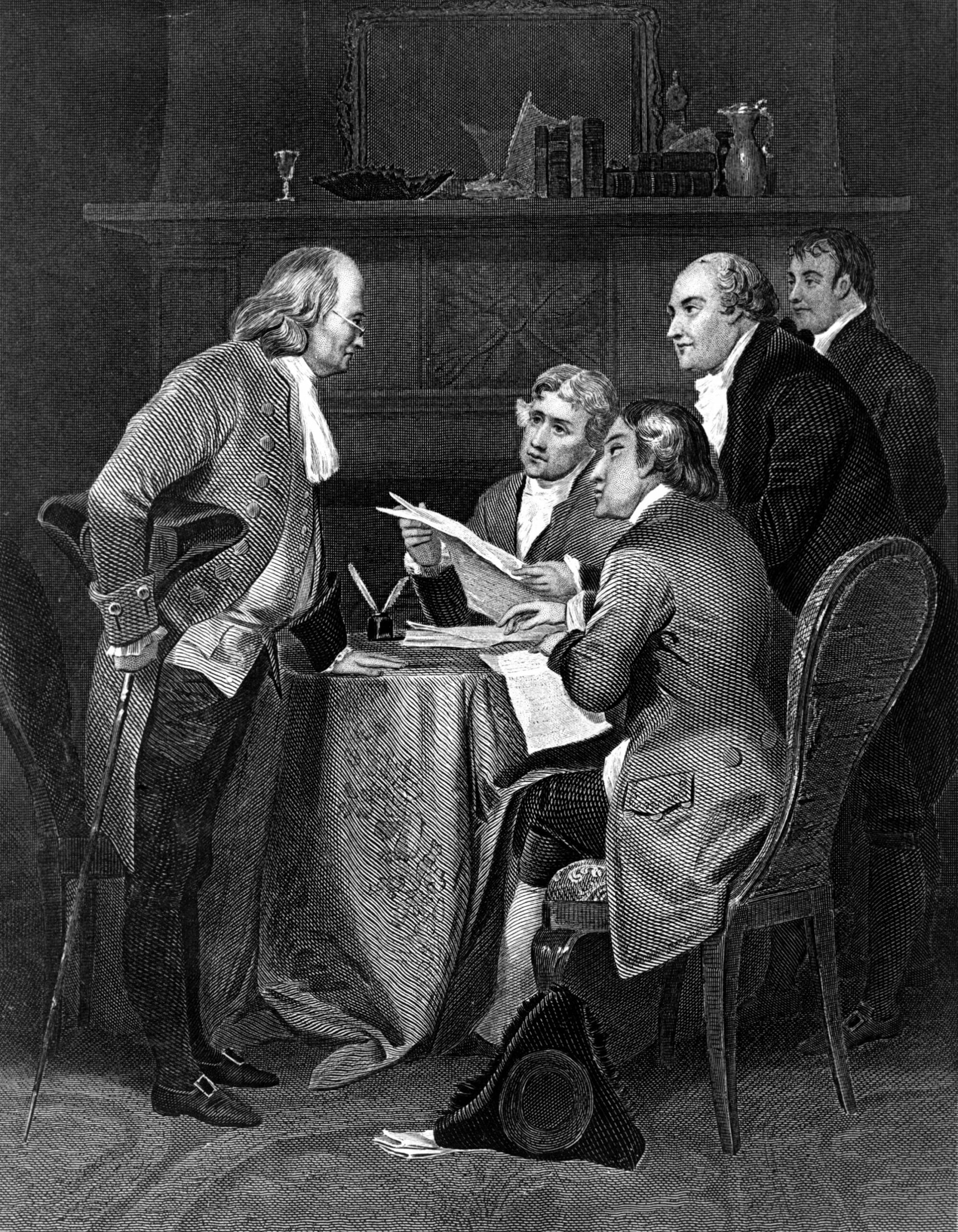
The concept of prevention as a guiding principle traces back to one of the most well-known sayings in American history: “An ounce of prevention is worth a pound of cure.” While many assume this phrase originated in the medical world, Dr. Davis’s research reveals that Benjamin Franklin was actually talking about fire safety. Franklin, who lived and worked near major fires throughout his life, was deeply passionate about the subject. He didn’t just write about fire prevention in his *Pennsylvania Gazette* — he anonymously penned the famous phrase in an editorial — but he also took concrete action by forming the Union Fire Company and serving as a fireman himself.
This blend of advocacy and action is what inspired Dr. Davis to coin the term “Preventioneers,” an amalgam of “prevention” and “pioneers.” It captures the spirit of individuals and institutions that work proactively to avert disasters before they strike.
## Why Prevention Is So Hard
Franklin’s approach was rooted in the belief that people need systems — institutions, habits, and trust — that enable them to act before disaster strikes. But as Dr. Davis explains, prevention is inherently invisible. When it works, nobody notices. When a disaster doesn’t happen, there’s no dramatic event to point to. When a person avoids a heart attack, a stroke, or cancer, there’s no visible crisis to celebrate. The absence of catastrophe is, by its nature, unremarkable.
This invisibility creates a significant challenge, particularly in communal and governmental settings where agreeing on preventive measures requires consensus, funding, and political will — all of which are difficult to muster when the threat is hypothetical.
## Prevention in Government
Dr. Davis emphasizes that prevention is woven into the fabric of government operations, even if the public doesn’t always recognize it. Public health surveillance, infrastructure safety, food distribution oversight, aviation safety, disaster preparedness, and cybersecurity are all examples of government functions rooted in the prevention mindset. The goal across all these domains is the same: prevent bad things from happening before they do.
This raises a provocative question: Could the very success of government in preventing disasters contribute to a crisis of confidence in public institutions? Dr. Davis believes so. When nothing bad happens, people naturally begin to question why certain services, agencies, and regulations exist. The answer, of course, is that those very safeguards are the reason the bad things didn’t happen in the first place.
## A Cautionary Example
Dr. Davis points to measles as a powerful illustration. Many people believe measles has disappeared, but it hasn’t. The disease became largely invisible because approximately 95% of the population was vaccinated. When vaccination rates hold, the disease stays at bay. But when preventive systems weaken or are dismantled, the consequences become painfully visible once again.
## A Legacy That Still Matters
Franklin’s insight — that a free society must build institutions capable of acting before crises emerge — shaped how early American institutions were constructed. More than two centuries later, that principle remains as relevant as ever. In an era of complex public systems and evolving threats, the challenge of making the invisible work of prevention visible, valued, and adequately funded continues to test the resilience of democratic governance.
—
*This article is based on an interview from **The Federal Drive with Terry Gerton**, featuring Dr. Barry Davis, Professor Emeritus of Public Health at the University of Texas School of Public Health and author of The Preventioneers. The Federal Drive provides expert insights on current events in the federal community. Reach out to Terry and the Federal Drive producers with feedback and story ideas at FederalDrive@federalnewsnetwork.com.*# The Difficulty of Prevention: Why Warning Signs Are So Often Ignored
In a wide-ranging interview, Dr. Barry Davis, Professor Emeritus of Public Health at the University of Texas School of Public Health and author of the new book *The Preventioneers*, spoke with Terry Gerton about the persistent challenge of motivating preventive action—whether in public health, food safety, infrastructure, or society at large.
## Prevention Is Invisible
The conversation opened with a deceptively simple observation. When preventive programs are adequately funded and functioning well, nothing happens. Diseases are averted, structures hold, and crises are avoided. Precisely because nothing goes wrong, it becomes tempting to cut those programs. But when the funding shrinks, bad things happen. This dynamic plays out across food safety, infrastructure maintenance, and countless other domains, yet the invisible nature of success makes prevention a perpetually underappreciated priority.
## Warning Signs Are There—If You Look
Dr. Davis explained that the theme of his book centers on the idea that warning signs are routinely visible before harm occurs—but people tend to ignore them. The individuals profiled in *The Preventioneers* are those who did see danger and made efforts to alert others. Some had platforms that amplified their voices: Benjamin Franklin used the *Pennsylvania Gazette*, and Dr. Sarah Josephine Baker was able to publish repeatedly in the *New York Times*. Others had to work through the medical literature and professional communities to spread warnings. The records show that in virtually every case, the signals were there—they simply went unheeded.
In today’s fractured media environment, the challenge has grown even greater. “Where there’s perhaps less agreement on warning signs in our fractured news environment, that seems to make that problem even bigger,” Gerton observed. Davis agreed that building a shared perspective on looming dangers is increasingly difficult, but he emphasized that the warnings themselves remain clear for those willing to look.
## Guardrails for New Technology
Davis drew a parallel to artificial intelligence, noting that experts are already sounding alarms about the risks that accompany its tremendous achievements. Like any transformative technology, AI carries both immense promise and significant peril. Davis stressed the need for guardrails—deliberate, proactive measures to ensure that things don’t go awry. “We need to work harder” on putting those protections in place before damage occurs, rather than scrambling to respond afterward.
## Why Prevention Rarely Earns Political Rewards
Asked what separates the people who take preventive action from those who don’t, Davis pointed to the pioneers, advocates, and champions who refuse to look away. He acknowledged how difficult prevention is to sell politically, precisely because it is invisible. “It’s hard to convince others that they should set aside time, effort, and money to do prevention,” he said. “Where’s the disaster? What’s happening right now?” People are naturally drawn to addressing visible problems rather than averting future ones—even when the evidence for investment is overwhelming.
## The Social Security Example
Gerton offered a pressing, current example: the Social Security trustees’ report projecting that the Social Security Trust Fund will be depleted by 2032. The timeline has been known for decades, the consequences are well understood, and yet collective action remains elusive.
Davis recommended that advocates and informed citizens push the issue into the public consciousness, but stressed that responsibility ultimately falls on voters and political leaders to recognize the looming disaster. He also called on the media to elevate long-term issues beyond the cycle of daily headlines. “Media has a responsibility in presenting these issues,” he said, “as opposed to just going after the highlight of the day.”
## Lessons from America’s Founders
Davis tied the conversation back to America 250 and the nation’s upcoming 250th anniversary. He noted that the founding documents embedded a kind of prevention framework. Having lived under a monarchy, the founders deliberately built in safeguards: regular elections, term turnover, checks and balances, the separation of powers, and shared responsibility between the states and the federal government. These were preventive measures designed to protect against the return of tyranny.
Yet Davis cautioned that constitutional structures alone are not enough. “One of the problem is, like everything else in our society, you need people to stick to not only the laws, but the norms. And if people strain these things, again, bad things can happen.”
The lesson, for Davis, is clear: prevention works—but only when it is valued, maintained, and practiced actively. Whether it’s public health, financial systems, or democratic institutions, the cost of ignoring warning signs always comes due.
—
*Copyright © 2026 Federal News Network. All rights reserved. This article was adapted from an interview conducted by Terry Gerton with Dr. Barry Davis, Professor Emeritus of Public Health at the University of Texas School of Public Health and author of The Preventioneers.*
