



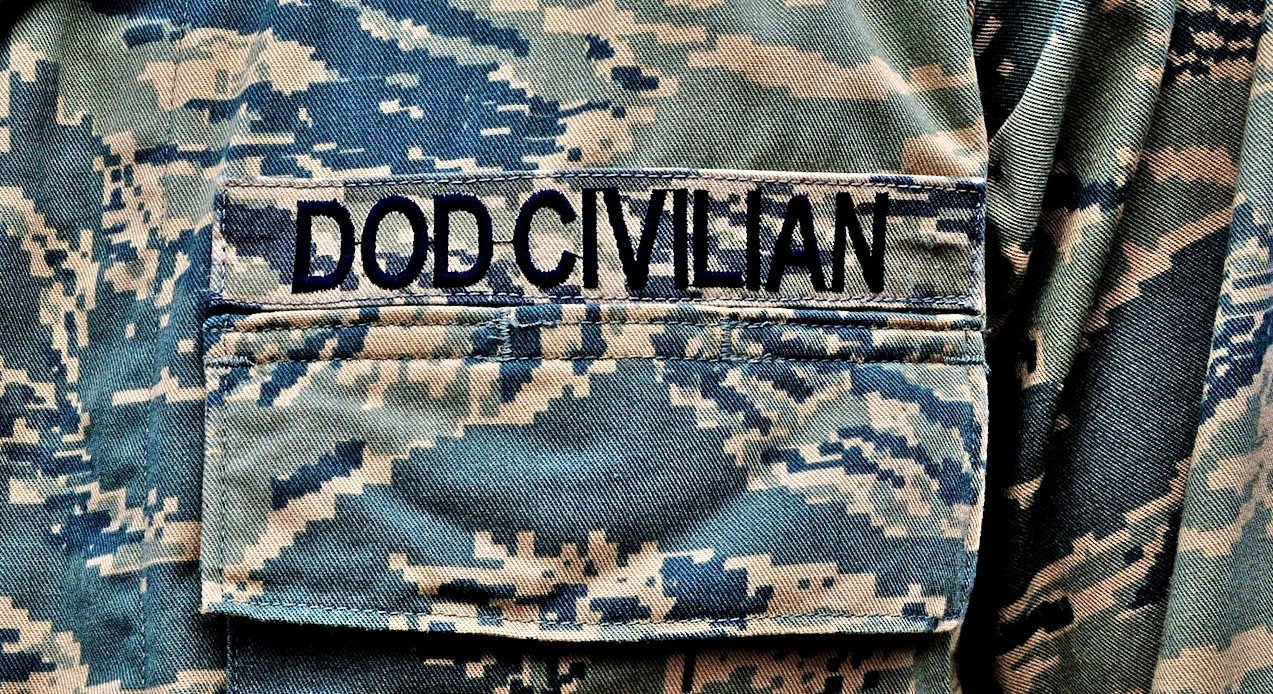
**Strategic Hiring Committees Take Root at the Department of Defense**
The U.S. Department of Defense has begun bringing on civilian hires through the strategic hiring committees established by the Trump administration’s executive order last October. However, questions remain about the impact of these committees on the defense workforce, nearly a year after their creation.
Since the order’s enactment, DoD has hired more than 29,000 civilians in the eight months that followed, according to the most recent federal data running through June. This includes about 7,400 Air Force and Space Force employees since the Air Force’s hiring committee launched in January and approximately 3,000 workers in the Army, which created its panel in March. Within OSD and other defense agencies, about 9,300 hires were made between October and June, and nearly 7,300 joined the Navy and Marine Corps.
The Pentagon’s committees oversee and approve civilian personnel actions in line with merit-based practices and critical agency needs. Trump’s executive order directed federal agencies to establish committees of senior officials to approve new positions and allow offices to fill existing jobs. The goal was to ensure that new hires align with “the national interest, agency needs and the priorities of my administration.” This marks a shift from the usual process, which relies on lower-level officials and program offices to determine staffing needs and candidate fit.
For example, the Department of the Air Force’s panel is composed of senior leaders from its top personnel, comptroller, acquisition, and legal offices. The committee meets every two to four weeks to consider individual hiring requests, proposals to exempt certain employees from the administration’s hiring freeze, and the department’s fiscal 2026 annual staffing plan. An Air Force official stated that the committee approved a categorical hiring exemption enabling the USSF to hire with speed and precision to meet increased mission demands defending the space domain. An Army spokesperson said the service’s committee gave blanket approval to hire for “critical occupations” supporting operational missions and the industrial base but provided no further elaboration. The Department of the Navy did not respond to multiple requests for comment.
Despite the formation of these committees, it remains unclear how many of the new hires were routed through them, how the panels shaped their consideration, or how many applicants were rejected. Additionally, it is difficult to determine whether the committees are handling new hires at all levels of the civilian workforce or only certain groups, including roles now classified as Schedule Policy/Career.
According to federal data, about 23,500 civilians joined DoD in the first six months of 2026, compared to nearly 19,000 hired or transferred during the same period last year. However, the department’s civilian workforce has continued to shrink, hovering around 685,000 employees as of May.
Jenny Mattingley, vice president for public policy and stakeholder engagement at the Partnership for Public Service, cautioned that adding a new layer of oversight into the hiring process can become inefficient and distracting for leaders who should be focusing on high-level strategy, spending, and workforce needs rather than individual jobs. She expressed concern that the committees might hire to appease political desires rather than fill vacancies in the most pressing missions. Mattingley also noted that if hiring is happening at the level it normally did, it could become a de facto hiring freeze if committees can only approve or oversee a certain volume of hires.
Meanwhile, Pennsylvania Rep. Chrissy Houlahan, the top Democrat on the House Armed Services personnel subcommittee, highlighted bureaucratic delays and incompetence in implementing flawed personnel policies, stating that these issues have left military personnel performing sometimes two or three jobs while positions are being routed through strategic hiring committees.
Nevertheless, proponents argue that strategic-level staffing committees can help federal agencies determine whether they have the skills and talent needed to achieve long-term goals—a common practice in most private companies that is worth making permanent in government.
**FAQ**
**What are strategic hiring committees?**
Strategic hiring committees are panels of senior officials established by federal agencies to vet new workers, approve new positions, and fill existing jobs. They are designed to ensure that hires align with agency needs and executive priorities.
**Why were these committees created?**
They were created via executive order to centralize hiring decisions at a senior level, ensuring that new positions and hires meet the national interest, agency needs, and administration priorities.
**How many civilians has DoD hired through these committees?**
DoD has hired more than 29,000 civilians in the eight months following the order’s enactment. Specific committee-driven numbers are not yet fully disclosed.
**Which departments have established these committees?**
Committees have been created across the Department of Defense, including the Air Force, Army, Navy and Marine Corps, as well as the Office of the Secretary of Defense and other defense agencies.
**Have the committees increased hiring efficiency?**
Data shows civilian hiring has continued, though the workforce has still shrunk. Some officials report expedited approvals, while others note potential inefficiencies and delays due to added oversight.
**What concerns have been raised about these committees?**
Concerns include a lack of transparency, potential inefficiencies, political influence over hiring, and the possibility that committees could slow down or restrict hiring to the point of creating a de facto hiring freeze.
**Conclusion**
Strategic hiring committees represent a significant shift in how the federal government, and specifically the Department of Defense, approaches civilian hiring. While they aim to align staffing with mission priorities and executive directives, their implementation has raised questions about transparency, efficiency, and political influence. As these committees continue to operate, their long-term impact on the defense workforce and hiring practices remains to be fully understood.
