



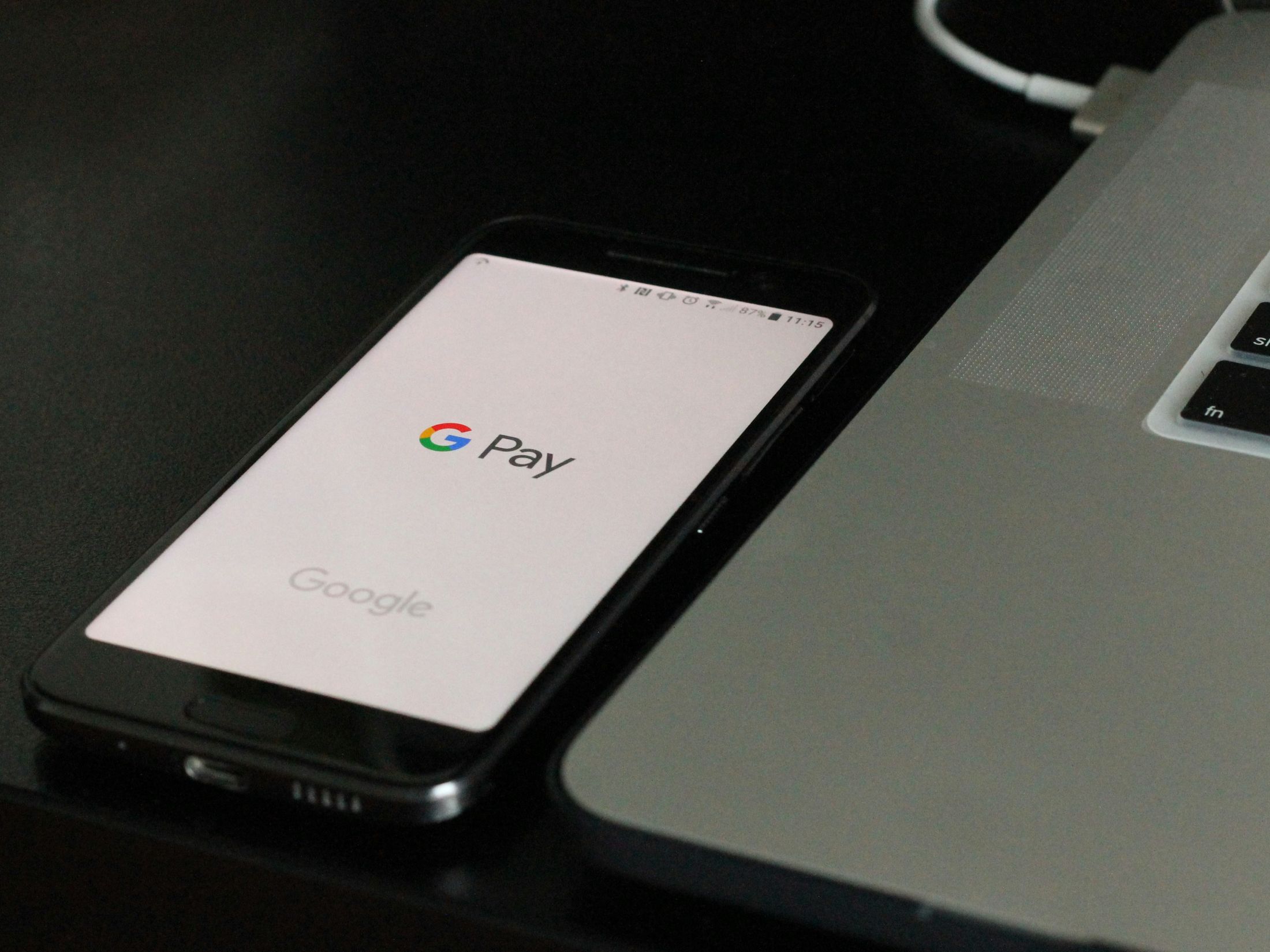
Google Pay is updating its entire payment system in preparation for a rising number of transactions made by AI agents.
The newest changes include the Universal Commerce Protocol and a new server framework making Google Pay a central hub for purchases made by AI, not people.
AI agents can’t use the checkout pages made for humans. Google is swapping visual, step-by-step checkout pages with a machine-friendly, API-based system.
There are several new elements in Google Pay:
- The Universal Commerce Protocol (UCP): This fresh protocol sets the rules for AI agents talking to payment and merchant systems. It creates a standard method for placing orders, checking stock, and tracking deliveries. With it, developers no longer need custom solutions for each merchant or payment company they work with.
- The New Merchant Commerce Platform (MCP) Server: Google is introducing a new server to bridge connections between merchants and AI agents. This MCP server oversees connections with merchants and analyzes buying patterns. For developers it hides the complexity behind processes, and for Google it becomes a center for gathering information from agent-led purchases.
- Dynamic Callbacks for Android Native Development: Google is enabling live updates with its Android Pay API so that orders can be changed on the spot: adjusting tax or shipping costs mid-process without a full restart. This makes transactions more flexible when changes happen partway through.
- Wider Use of WebView Payment Processing: Google is expanding payment services within WebViews. This is important because it means purchases can be completed directly inside apps, which matters in social media-based commerce using chatbots. AI agents working in such spaces can process payments natively.
Realities of Machine-to-Machine Payments
The customer journey used to revolve around mouse clicks and viewing web pages. Now it’s also about an agent’s skill at processing data about products and making a purchase through an API.
Marketing teams now must think about being visible to bots. Details about products, pricing, and availability must be available as machine-friendly data, and not just attractive text for people. If an AI agent can’t understand your product information to decide whether to buy, your business won’t be found by this new wave of buyers.
The MCP server also brings up questions about how data is handled. By controlling the transaction flow, Google gets insights into the latest commerce patterns from AI-led purchases.
IT leaders need to carefully evaluate the impact of relying on a proprietary protocol and a central data hub. While a universal standard is helpful, it might also mean getting locked into one platform.
New Security and Trust Systems
Letting an AI agent make purchases on its own creates new digital safety problems. A broken or hacked agent might make many unauthorized purchases very quickly.
Google’s answer is cross-device biometric sign-off. This allows an AI agent to send a request for human approval on a device; for instance, a user could confirm on their phone that their AI assistant really did arrange a purchase on their laptop.
This approach builds a “human-in-the-loop” layer of protection for big or sensitive orders. It provides a safeguard and logs what the agent did. Companies now must decide when an agent can act alone and when it needs a human to approve. These guidelines will need to be coded into the agent’s programming, linking company rules directly to how software behaves.
Recent changes to Google Pay are an early but real sign of systems that will underpin a machine-based economy. Businesses that only see their websites as pages to be browsed by humans won’t be ready for what’s coming next.
See also: Google Merges Display Ads into a New Platform Centered on Artificial Intelligence
Want to learn more about AI and big data from industry leaders? Check out AI & Big Data Expo taking place in Amsterdam, California, and London. The comprehensive event is part of TechEx and is co-located with other leading technology events including the Cyber Security & Cloud Expo. Click here for more information.
AI News is powered by TechForge Media. Explore other upcoming enterprise technology events and webinars here.
