



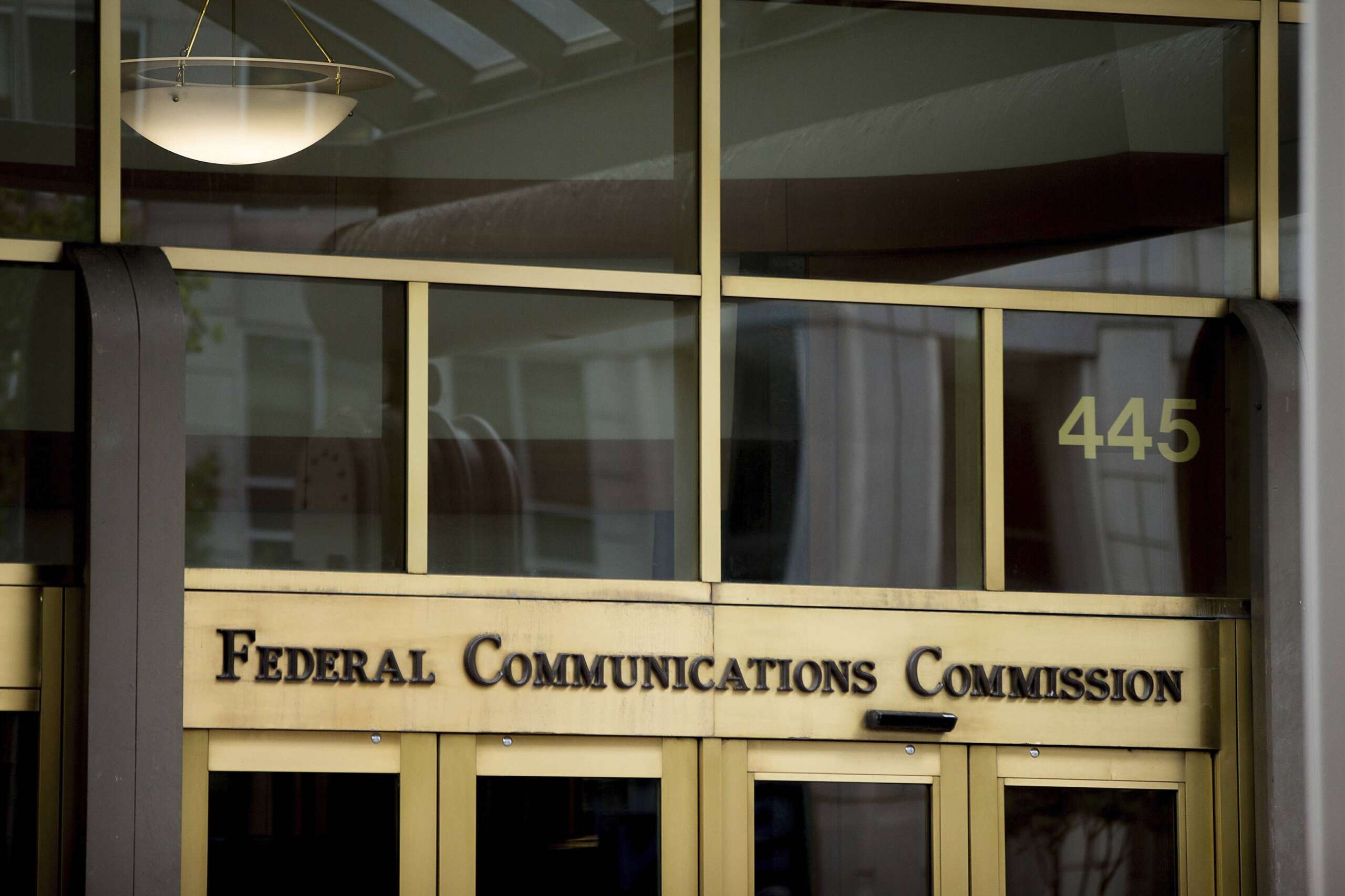
Terry Gerton I’d like to begin by connecting the dots between the Federal Communications Commission and cybersecurity. How do you see the FCC’s role in this area?
Zenji Nakazawa That’s a great question—one I hear often. The FCC was established by law in 1934, and cybersecurity is truly woven into our core mission. From the very start, one of our foundational legal mandates has been safeguarding public safety and national security across wired and wireless communications. That responsibility has always been central to our work, particularly within the public safety domain.
Terry Gerton Are there specific cyber threats that worry you most right now?
Zenji Nakazawa Well, no cyber threat is a good one, so ranking them is difficult. But the reason we’re taking action now isn’t new—we’ve been monitoring these risks for years. What’s changed is that the threat landscape has evolved significantly. We’re now facing advanced persistent threats from nation-state actors and a surge in ransomware attacks. These aren’t hypothetical scenarios—they have real-world consequences that ripple outward, affecting not just individual citizens but also critical public safety systems like the emergency alert system and the wireless emergency alerts we receive on our phones. These workshops are really about—
Terry Gerton We’ll get back to the workshops shortly, but I’d like to stay on the broader landscape for a moment, because the communications ecosystem is incredibly diverse. You have major national carriers, smaller providers, local businesses, and equipment manufacturers—all with vastly different resources. When you look at this ecosystem, where do you see the greatest opportunity for the FCC to help the communications sector bolster its cybersecurity defenses?
Zenji Nakazawa Absolutely. The threats we’re confronting affect equipment, various technology services, and providers of all types—whether in telecommunications or broadcasting. Our focus is primarily on the telecom and broadcast sectors, which cover an enormous range of services. Cyber attackers are indiscriminate—they’ll exploit any vulnerability they can find, from something as basic as a router to more complex infrastructure like satellites or undersea cables. Wherever there’s an opening, they’ll find it—much like ants drawn to honey.
Terry Gerton Let’s return to those workshops. You’re hosting two sessions in May, on the 14th and 15th. Can you tell us what they’re designed to accomplish and who they’re meant to serve?
Zenji Nakazawa Yes, I’m really enthusiastic about these two workshops. Over two consecutive days, we’ll be convening panels of experts from both government and industry to discuss cyberattacks. The key realization driving this effort is that the threats we face are no longer theoretical—they’re operational realities. Small and medium-sized providers are often on the front lines when cyberattacks strike, yet they typically lack the resources that larger, better-funded companies have. So the goal here is to close that gap quickly by gathering top experts in one room to share threat awareness and best practices. I’m especially excited because we’ll also walk through several case studies that examine the anatomy of a cyberattack—step by step—and explore what a victim can do in those situations.
Terry Gerton I’m speaking with Zenji Nakazawa, chief of the Public Safety and Homeland Security Bureau at the Federal Communications Commission. I’d love to hear more about those cases, but I’ll let you save the details for the workshop. Zooming out a bit, though, how are you thinking about collective preparedness? All these networks are interconnected in some way. Rather than focusing solely on individual compliance at each broadcaster or company, how are you approaching safety and security across the entire communications network?
Zenji Nakazawa That’s an important point. All telecommunications systems are interlinked and interconnected. But our focus is really on the weakest links, because when it comes to cyberattacks, prevention isn’t the whole story—it’s equally important that companies that do get hit are prepared, have a response plan in place, can contain the damage, and can restore operations quickly. When we examine this issue broadly, the statistics are striking: the likelihood of a business experiencing a ransomware attack is roughly one in two. Given the damage ransomware can inflict—especially on small businesses—we want to concentrate on helping small and medium-sized organizations understand what they can do to protect themselves and why having a cyber resilience program in place is so critical.
Terry Gerton You mentioned that the workshops will offer best practices and case studies, but turning that knowledge into real operational readiness is the challenging part. What do you hope workshop participants will be able to do after attending that they couldn’t do before?
Zenji Nakazawa The goal of these workshops is not just to share information but to equip participants with practical tools they can put into action. Some of it may seem like basic knowledge, but even fundamentals matter enormously—and neglecting them can have serious consequences. We’ll cover everything from basic cyber hygiene to awareness of social engineering tactics that adversaries may use. Every business and organization is different, with unique needs, so participants can adapt these tools to their specific situations. Having this awareness—knowing what resources are available, who to contact, and how real incidents were handled—is invaluable. One key message I want to leave people with is the importance of basic, concrete steps like multi-factor authentication. Think of it this way: you need a key card to enter your building, a guard verifies your identity at the door, and you likely need a separate key to access your office. Then, when you sit down at your computer, there’s yet another authentication step to confirm you are who you claim to be. Layered security measures, stopgaps, and redundancies like these go a long way toward defending against cyberattacks.
Terry Gerton What does the follow-up look like after these workshops? Will you be reconnecting with participants to check on their progress?
Zenji Nakazawa We’ll certainly make ourselves available. As the expert agency on these matters, we’re happy to connect participants with other specialists who can provide more tailored assistance based on their specific needs. Beyond that, maintaining an ongoing dialogue and continuing to share information is essential. That’s really the heart of it—raising awareness, fostering conversation, and then taking action by bringing people together so they can support one another on these critical issues.
Terry Gerton Can you remind us where people can learn more about the workshops and sign up?
Zenji Nakazawa Of course. Visit our website at FCC.gov, or simply search “Cybersecurity Workshops FCC” on Google—you’ll find it right away.
Copyright
© 2026 Federal News Network. All rights reserved. This website is not intended for users located within the European Economic Area.
