



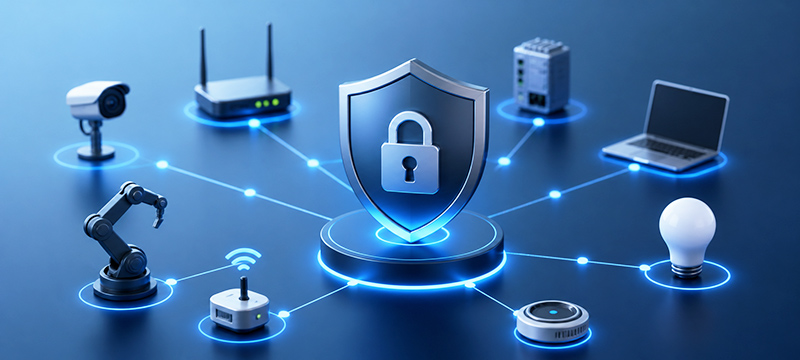
As the world grows more dependent on technology—and billions of connected devices now make up the Internet of Things (IoT)—protecting identity systems has never been more crucial. Every organization needs strong defenses to block unauthorized access. Reliable barriers against data breaches help maintain trust. In this post, we will break down how these safeguards enable secure operations and why they matter for every digital and IoT environment today.
Why Identity Security Matters
Identity systems regulate who and what can access sensitive resources across IT networks and connected devices. In IoT deployments, this covers sensors, gateways, and cloud platforms. Without adequate defenses, attackers can pose as legitimate users—or even devices—to steal critical data or cause disruptions. Such incidents can result in financial losses and harm to reputation. Strong security measures ensure that only approved users and devices can access data and tools. Identity security is not optional; it is a fundamental requirement for organizations of every size.
Components of Identity Protections
Several essential components form the foundation of identity protection. These verify the identity of a user or device before granting access. Authorization systems ensure users or devices can only reach information they are explicitly permitted to use. Monitoring tools track activity and flag suspicious behavior across both IT and IoT infrastructures.
Multi-Factor Authentication
Multi-factor authentication is a key example. It requires two or more different forms of verification to confirm identity. For instance, you might combine a password with a fingerprint scan or a code sent to your phone. In IoT settings, this can include device certificates or hardware-based credentials. Adding extra verification steps makes it far harder for intruders to break in—even if they obtain the password.
Role-Based Access Control
Another vital measure is role-based access control. Under this approach, permissions are tied to job roles rather than to individuals. Employees access only the data and applications needed for their specific functions. IoT devices can similarly be assigned roles with restricted permissions. This limits exposure if an account or endpoint is compromised.
Continuous Activity Monitoring
Ongoing monitoring is essential for maintaining secure operations. Logs capture every attempt to access or interact with a protected system. In IoT environments, this also covers device behavior and network traffic. Automated tools can scan these records for unusual login patterns—such as sign-ins from unfamiliar locations or devices. When suspicious activity is detected, alerts allow teams to investigate and respond quickly.
Identity Provisioning and Deprovisioning
Managing user accounts effectively strengthens security. Identity provisioning involves creating accounts for new users and assigning them the right permissions. In IoT, this extends to securely onboarding devices. Deprovisioning removes access when someone leaves an organization or when a device is retired or compromised.
Encryption and Secure Communication
Protecting identity data during transmission is equally important. Secure communication channels ensure that credentials, tokens, and other sensitive information cannot be intercepted. In IoT deployments, where devices frequently communicate over public or wireless networks, this is especially critical. Adopting strong encryption standards helps guard against data theft and interception.
User Education and Awareness
Technology alone cannot prevent every threat. Human error remains a leading cause of security incidents. Training employees to spot suspicious messages and avoid risky behavior is essential. In IoT environments, this also means raising awareness about device security risks. Clear policies can guide your staff on handling and reporting sensitive data properly.
Regular Audits and Compliance
Periodic reviews are necessary to confirm that security measures are working as intended. Audits identify potential gaps, outdated settings, or excessive permissions. For IoT, this includes examining device identities and access policies. These reviews also ensure compliance with data protection and security regulations. Acting on audit findings strengthens your defenses over time.
Adaptive Security Strategies
Threats to identity systems are constantly changing. As IoT ecosystems grow rapidly, the attack surface keeps expanding. New risks will continue to emerge, so adaptive security strategies that allow organizations to respond to these evolving threats are essential. This might involve updating access policies, adopting new authentication methods, or deploying new monitoring tools.
Incident Response Planning
No security system can prevent every attack, no matter how strong. An incident response plan equips organizations to respond quickly if a serious breach occurs. The plan provides clear steps for detection, containment, and recovery. In IoT scenarios, this may include isolating compromised devices. Regular training ensures teams can stay focused and act effectively to minimize damage when an incident occurs.
The Future of Identity Security
As digital operations and IoT deployments continue to expand, identity protection will only become more important. Artificial intelligence and automation offer new ways to detect threats and respond faster. Organizations must stay informed about the latest techniques and best practices.
Conclusion
Identity system safeguards are essential for modern IT and IoT environments, including protection against IoT security threats. The best defense combines technical controls, user education, and ongoing review. It is about protecting identities, devices, data, reputation, and the operations of every organization.
