



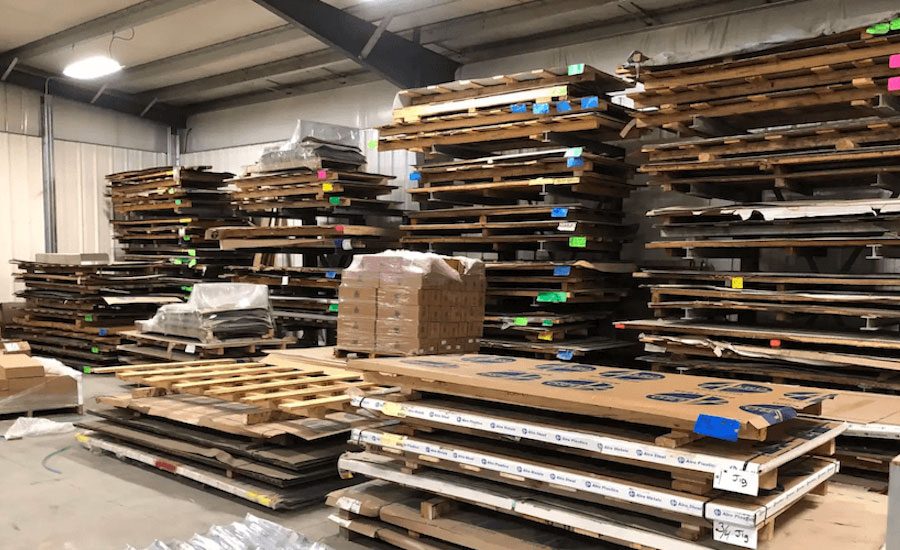
Stroll by way of virtually any manufacturing facility and you will notice clear efforts to enhance productiveness. Workstations are organized to assist circulate. Visible boards monitor manufacturing. Storage areas are labeled. Materials dealing with routes are outlined. Regardless of these efforts, many operations nonetheless wrestle with inefficiencies that quietly erode efficiency.
In lots of circumstances, the problem shouldn’t be a scarcity of effort — it’s the presence of waste embedded inside on a regular basis processes.
The lean manufacturing methodology focuses on figuring out and eliminating actions that devour time, movement, supplies, or assets with out including worth to the shopper. These non‑worth‑added actions are generally categorized because the seven wastes: transportation, stock, movement, ready, overproduction, overprocessing, and defects.
When these wastes accumulate throughout a facility, they gradual manufacturing, enhance prices, and make work tougher for operators. When organizations systematically cut back them, they usually unlock vital enhancements in productiveness, security, and consistency.
For producers looking for to enhance operational efficiency, understanding how waste seems on the store flooring — and learn how to take away it — is commonly step one towards a extra environment friendly manufacturing surroundings.
Recognizing the Seven Wastes in Day by day Operations
Lean practitioners usually start enchancment efforts by observing work straight on the store flooring. The aim is to know the place effort and time are being spent and whether or not these actions really add worth.
The 7 Wastes of Lean – Stock, Ready, Transportation, Overproduction, Overprocessing, Movement, & Defects
Graphic courtesy of LEAN Manufacturing Merchandise.
The seven wastes present a helpful lens for evaluating manufacturing techniques.
- Stock Waste – seems when extra uncooked supplies, work‑in‑course of, or completed items accumulate past what is required to assist manufacturing circulate. Whereas stock can buffer disruptions, an excessive amount of of it ties up capital and hides underlying course of issues.
- Ready Waste – happens at any time when individuals or machines are idle as a consequence of delays in supplies, data, approvals, or upstream processes. Even quick interruptions can compound over the course of a manufacturing day.
- Transportation Waste– happens when supplies, instruments, or merchandise are moved extra usually than needed. Lengthy journey distances between workstations, poorly organized storage areas, or inefficient materials supply routes can all enhance transportation waste.
- Overproduction Waste – occurs when objects are produced earlier or in higher portions than wanted. This waste usually leads on to extra stock and elevated dealing with.
- Overprocessing Waste – outcomes from performing extra work than required to fulfill specs. Examples can embody redundant inspections, extreme packaging steps, or overly complicated documentation processes.
- Movement Waste – refers to pointless bodily motion by operators. Trying to find instruments, bending to succeed in components, strolling to retrieve supplies, or repositioning gear repeatedly all through a shift can all cut back productive time.
- Defects Waste – represents merchandise or parts that have to be reworked or scrapped. Along with materials loss, defects devour time, labor, and capability that might in any other case be used for productive output.
Figuring out these wastes shouldn’t be about assigning blame. As an alternative, it helps groups perceive the place course of design might be improved.
Designing Work Environments That Cut back Waste
Some of the efficient methods to deal with waste is by shaping the bodily work surroundings to assist environment friendly motion, clear data circulate, and constant processes.
Lean workplaces usually emphasize level‑of‑use group. Instruments, supplies, and directions are situated the place work is carried out reasonably than saved remotely. This reduces movement and ready whereas serving to operators preserve give attention to worth‑including duties.

Materials storage positioned subsequent to level of use
Picture courtesy of LEAN Manufacturing Merchandise.
Workstation structure additionally performs a serious function in lowering waste. When parts are organized in logical sequences that observe the manufacturing course of, transportation and movement can lower considerably. Clear storage places, labels, and outlined materials circulate paths assist preserve this group over time.
These approaches permit groups to spend much less time looking, strolling, or dealing with supplies unnecessarily and extra time performing productive work.
Visualizing Processes to Spot Points Shortly
Lean environments rely closely on visible techniques to make waste and course of disruptions simpler to detect. When details about manufacturing standing, materials ranges, or gear circumstances is clearly seen, groups can reply to points shortly.
Visible indicators corresponding to kanban playing cards, flooring markings, manufacturing boards, and shadow boards assist standardize communication throughout shifts and departments. These techniques permit operators and supervisors to shortly determine when one thing is misplaced, delayed, or incomplete.
The aim shouldn’t be merely to make the office look organized. Efficient visible techniques reveal irregular circumstances instantly to allow them to be corrected earlier than they develop into bigger issues.
For instance, a clearly marked storage location makes lacking stock seen at a look. A visible manufacturing board can spotlight when output falls delayed. A labeled software board shortly reveals when gear has not been returned after use.

Organized materials storage with labeling system
Picture courtesy of LEAN Manufacturing Merchandise.
By making issues simpler to see, visible techniques assist organizations handle root causes reasonably than repeatedly reacting to signs.
Constructing a Basis with 5S Office Group
Many producers depend on 5S as a basis for waste discount. The 5 steps — Type, Set in Order, Shine, Standardize, and Maintain — give attention to organizing the office in order that instruments, supplies, and data are constantly accessible the place they’re wanted.
- Sorting removes pointless objects that contribute to litter and confusion.
- Setting objects so as ensures that all the things has a clearly outlined location.
- Shining emphasizes cleansing and inspection in order that issues corresponding to leaks, injury, or put on might be recognized early.
- Standardizing establishes constant strategies for sustaining group throughout shifts and departments.
- Sustaining reinforces these practices by way of common audits and steady enchancment actions.
When utilized successfully, 5S reduces movement waste, shortens search time, improves security, and helps groups preserve course of self-discipline.
Steady Enchancment By means of Small, Focused Adjustments
Lean enchancment not often comes from a single massive initiative.
As an alternative, progress usually happens by way of many small changes that collectively take away friction from the manufacturing course of.
Groups usually start by figuring out places the place operators continuously encounter delays or pointless motion. Observing how supplies circulate by way of the method can reveal the place transportation or ready happens. Reviewing defect knowledge can spotlight the place high quality points are disrupting manufacturing.

Shade coded cart system utilized as manufacturing course of indicators
Picture courtesy of LEAN Manufacturing Merchandise.
As soon as waste is recognized, enhancements might be examined and refined. A workstation structure could also be adjusted to cut back movement. A cloth supply route could also be modified to cut back ready. A visible sign could also be launched to stop overproduction.
Over time, these incremental enhancements construct extra steady and predictable manufacturing techniques.
Sustaining Waste Discount on the Store Flooring
Eliminating waste shouldn’t be a one‑time mission. As merchandise, gear, and staffing ranges change, processes should evolve as properly.
Sustaining enchancment requires common statement of labor, suggestions from operators, and periodic analysis of office group and visible techniques. When groups deal with these components as energetic components of the manufacturing system reasonably than static installations, they’re extra prone to preserve their effectiveness.
Organizations that constantly evaluate their processes usually uncover new alternatives to cut back movement, shorten journey distances, simplify workflows, and enhance materials circulate.
A Sensible Path Towards Leaner Operations
Producers trying to strengthen store flooring effectivity usually start with a easy query: the place does waste seem most continuously in our each day operations?
The reply could emerge in locations the place staff spend time trying to find instruments, the place supplies journey lengthy distances between processes, the place work‑in‑course of stock accumulates, or the place manufacturing slows whereas ready for the following step.
Addressing these friction factors doesn’t at all times require complicated know-how or massive investments. Many enhancements come from higher group, clearer visible communication, and considerate course of design.
As waste is steadily eliminated, processes are inclined to turn into simpler to know, simpler to handle, and extra predictable for the individuals performing the work.
Throughout the manufacturing business, these lean ideas proceed to supply a sensible framework for bettering productiveness whereas creating safer and extra organized workplaces.
