



A current IBM examine revealed that 74% of power and utility corporations are turning to AI to unravel knowledge associated challenges. This transfer is anticipated to dramatically enhance effectivity and cut back environmental influence, with makes use of starting from predicting power demand to optimising grid upkeep. Right here we discover its makes use of and challenges in power, significantly when it comes to infrastructure.
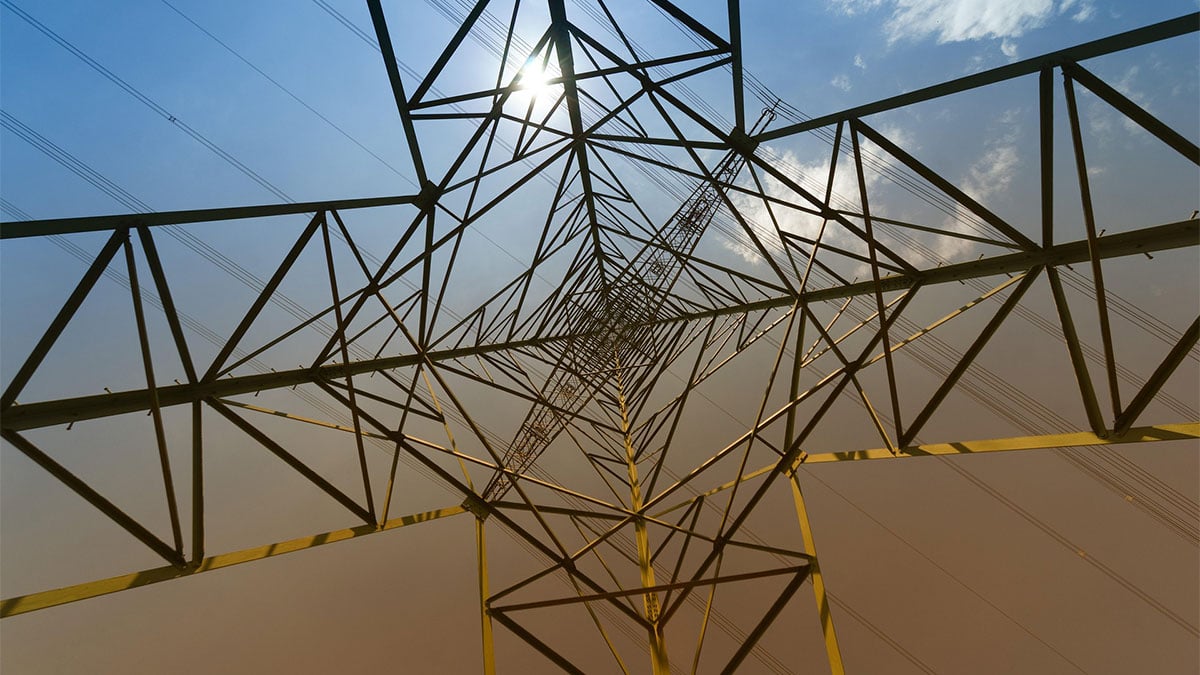
A big portion of the UK’s power grids and energy infrastructure was constructed within the mid-Twentieth century — within the Sixties and Nineteen Seventies. Which means that the common age of electrical energy transformers is round 63 years.
It was initially designed for an easier power panorama, lengthy earlier than renewable power, electrical autos (EVs) and sensible grids turned widespread. In consequence, the UK’s power networks are struggling to accommodate new power calls for and to cope with excessive climate occasions.
The UK, like many nations, has seen extra frequent and extreme climate disruptions, resembling storms, flooding and heatwaves in recent times. These excessive climate occasions are inflicting energy outages, which disrupt every day life and result in important financial losses.
Alongside these challenges, the UK’s inhabitants is projected to succeed in 70 million by 2026, driving up power demand even additional. These rising wants, mixed with a rising reliance on digital applied sciences, place rising stress on the power sector to modernise and turn into extra resilient.
Smarter forecasting
AI helps to handle these advanced power calls for, significantly by means of smarter forecasting. Correct forecasting is important for balancing provide and demand, particularly when integrating renewable power sources resembling wind and solar energy, that are intermittent by nature.
AI can analyse huge datasets, together with climate patterns, historic consumption knowledge, and renewable power outputs, to foretell each shopper demand and renewable power manufacturing days prematurely.
This predictive functionality permits power suppliers to plan electrical energy flows extra successfully, guaranteeing energy is delivered the place it’s wanted most whereas minimising waste.
For instance, Google, in collaboration with DeepMind, developed an AI system able to predicting wind energy output 36 hours prematurely, resulting in a 20 per cent improve within the industrial worth of wind power. Such improvements are essential for scaling up using renewables, strengthening their enterprise case and inspiring broader adoption.
Moreover, digital energy crops (VPPs) are additionally rising as a big utility of AI in power administration. VPPs combination distributed power assets, resembling photo voltaic panels, wind generators and battery storage, and cut back reliance on costly, much less environment friendly energy crops which are often used throughout peak demand.
Through the use of AI algorithms, VPPs can predict power provide and demand patterns, enabling utilities to encourage customers to make use of power when renewable technology is excessive, which may cut back annual grid prices by $10 billion.
Predictive upkeep
Past forecasting, AI is altering infrastructure administration by means of predictive upkeep. Conventional upkeep schedules are inflexible, typically resulting in pointless inspections or delayed repairs.
By analysing knowledge from sensors embedded in energy crops, substations and transmission traces, AI can predict gear failures earlier than they happen. This not solely prevents pricey unplanned outages but additionally extends the lifespan of important infrastructure parts
The truth is, AI use in predictive upkeep has been proven to cut back breakdowns by 70 per cent and upkeep prices by 25 per cent. An ideal instance of that is Nationwide Grid ESO (Electrical energy System Operator) within the UK, which is leveraging AI for predictive upkeep to monitor their power infrastructure.
As a substitute of counting on outdated inspection schedules, they use AI to repeatedly monitor sensors on important gear, resembling energy traces and substations, to detect potential failures earlier than they happen. This method is part of their broader digitalisation technique to assist a decarbonised and dependable electrical energy system.
Addressing the challenges
Whereas AI brings important advantages to the power sector, it additionally introduces challenges, significantly regarding infrastructure and power consumption.
The rising demand for computing energy to run AI fashions requires substantial power, including to the sector’s general consumption. The Worldwide Vitality Company (IEA) has raised considerations that electrical energy consumption may improve considerably as AI turns into extra built-in into on a regular basis applied sciences, resembling serps and digital assistants.
These power calls for have to be rigorously managed to keep away from exacerbating the sector’s environmental influence. Nevertheless, the advantages of AI — resembling improved grid optimisation, smarter forecasting, and predictive upkeep — can offset these challenges.
By partnering with elements suppliers like Foxmere, power corporations can combine important automation parts that allow smarter grids and predictive upkeep into their crops.
Such collaboration helps the power sector in overcoming infrastructure challenges and assembly the rising demand for sustainable power options whereas decreasing waste, enhancing power effectivity and accelerating the transition to renewable power sources.

By Tom Money, Director, Foxmere
