



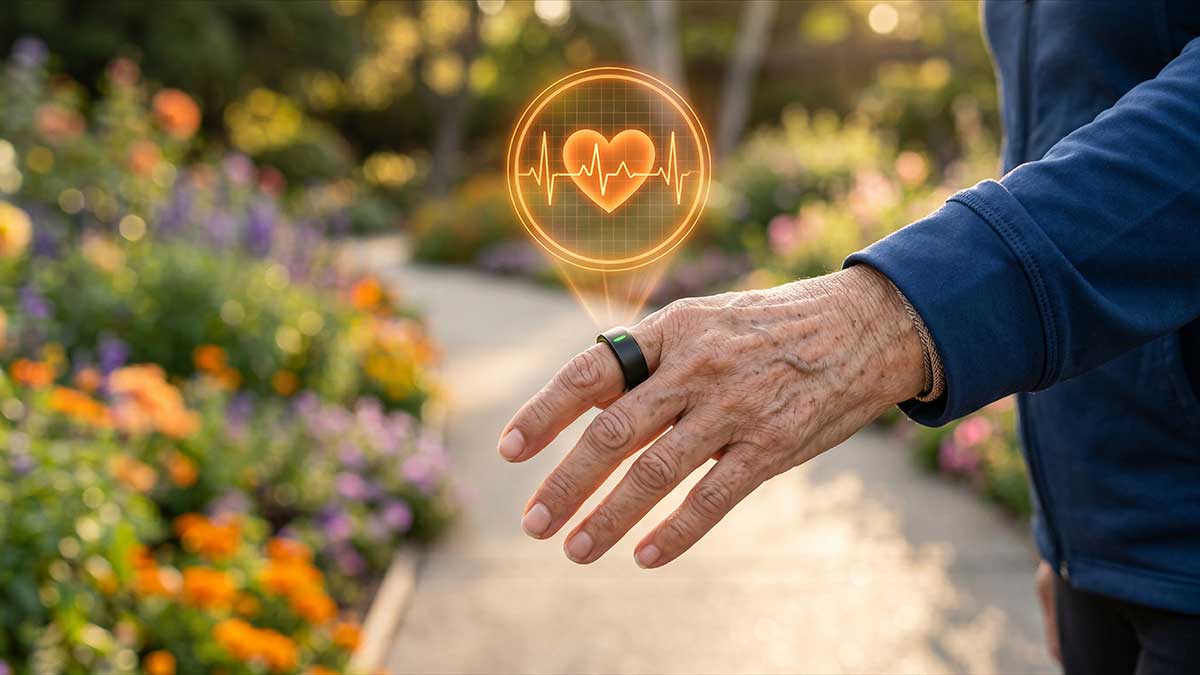
According to Fortune Business Insights, the Internet of Medical Things (IoMT) is projected to reach an impressive $822.54 billion by 2032. This surge is driven by IoT’s ability to boost both safety and efficiency in healthcare. Yet, alongside this promise comes a pressing concern: the escalating danger of cyberattacks.
In this piece, Kristian Torode, director and co-founder of business connectivity firm Crystaline, explores how to harness IoT responsibly to enable smarter, more effective healthcare.
Improving healthcare delivery
IoT has simplified numerous health and social care services. One standout application is protecting lone workers. Many healthcare and social care staff—whether making home visits, handling emergencies, or serving remote communities—often work in isolation, which can expose them to risks.
Thanks to GPS-enabled wearables, panic buttons, and mobile apps, lone workers can instantly summon help if they feel threatened or need support. These tools can also include automated check-ins and geofencing, which sets up virtual perimeters around defined zones.
If a worker steps outside a safe zone or misses a scheduled check-in, supervisors receive instant alerts. By enhancing connectivity and safety, IoT not only speeds up emergency responses but also fosters safer work environments.
In elder care, IoT has also advanced significantly, especially in fall detection. Older systems relied on pendants or wristbands that required the user to manually press a button after a fall. Today, IoT-driven devices use motion sensors and AI to detect falls automatically and send alerts without any action from the wearer.
This improved accuracy leads to quicker responses and lowers the chance of severe injury. Such technology is particularly valuable for people with limited mobility or cognitive conditions like dementia, as it lets caregivers intervene promptly while still respecting the individual’s autonomy.
Understanding the threats
Despite its advantages, IoT brings new cybersecurity risks that healthcare organizations must confront. Small and medium-sized enterprises (SMEs) are especially at risk, as tighter budgets often limit their ability to deploy robust security defenses. The UK government’s 2024 Cyber Security Breaches Survey found that half of all businesses experienced a cyber incident in the past year—a number that jumps to 70% among medium-sized firms.
Data breaches are a major concern. IoT medical devices gather and share highly sensitive patient information, making them attractive targets for hackers aiming to steal personal health records. A breach can harm patient privacy and impose heavy financial penalties on healthcare providers.
Ransomware is another rising threat. In such attacks, hackers encrypt vital healthcare data and demand payment to unlock it. Losing access to patient records or connected devices can severely disrupt care, endanger patients, and cause prolonged system outages.
IoT devices are also vulnerable to network-based intrusions. Since many medical IoT devices are linked together, compromising one could give attackers entry to the entire network. This might result in data leaks, service interruptions, or even tampering with life-critical equipment.
Given these dangers, healthcare providers must prioritize securing every IoT device and safeguarding their broader network infrastructure.
Making security a priority
As IoT use in healthcare expands, so does the urgency for stronger cybersecurity practices. Securing devices starts with basics: keeping software up to date, using encrypted communications, restricting access to authorized staff, and enabling multi-factor authentication (MFA) to block unauthorized entry.
Human mistakes remain a top vulnerability, so regular cybersecurity training is vital. Teaching staff to spot phishing attempts, create strong passwords, and follow secure device protocols can prevent many common attacks.
Equally important is selecting a trustworthy technology partner. Not all IoT solutions are built with security as a priority, so it’s wise to collaborate with providers who emphasize data protection, regulatory compliance, and continuous support.
Some managed connectivity providers deliver dependable IoT network services, giving healthcare organizations access to scalable, fast, and secure connectivity options.
Managed service providers go a step further by handling installation, configuration, and ongoing monitoring. This full-service approach lets healthcare teams concentrate on patient care instead of IT issues.
By partnering with Vodafone—a leader in IoT and cybersecurity for Critical National Infrastructure—Crystaline ensures healthcare providers receive reliable, standards-compliant connectivity.
The future of healthcare is undeniably digital, with IoT playing a key role in enhancing patient outcomes, care quality, and staff safety. But as digital threats grow, cybersecurity must be a core consideration, not an afterthought. Through proactive system safeguards, staff education, and trusted partnerships, healthcare organizations can adopt IoT with confidence.
Looking for more insights? Check out additional editorial content on our sister site, Electronic Specifier—or join the discussion on our LinkedIn page.
